Physical Address
304 North Cardinal St.
Dorchester Center, MA 02124
Physical Address
304 North Cardinal St.
Dorchester Center, MA 02124

Amplifying African Entrepreneurs voices, one story at a time
Amplifying African Entrepreneurs voices, one story at a time
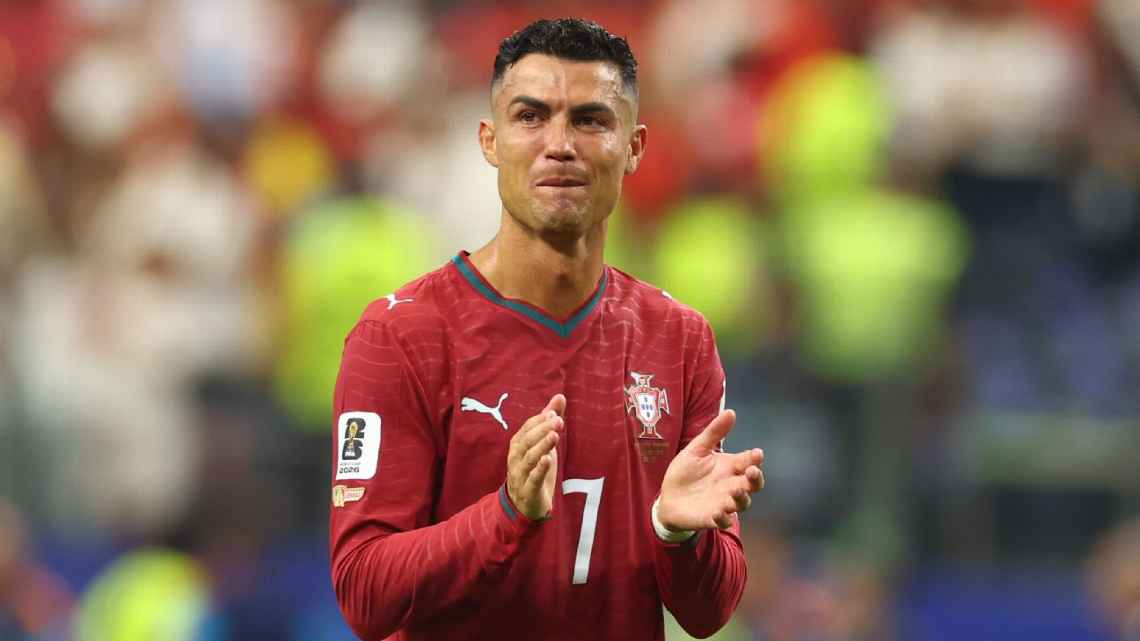
Cristiano Ronaldo walked away from the FIFA World Cup for the final time with tears in his eyes but pride in his heart. Portugal’s dramatic 1-0 defeat to Spain in the Round of 16 ended one of football’s most remarkable World Cup careers and closed the chapter on a dream that remained just out of reach.
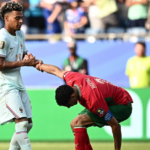
The decisive moment arrived deep into second-half stoppage time when Spain’s midfielder Mikel Merino found the back of the net to send his country into the quarterfinals. Portugal’s players stood stunned, while Ronaldo applauded supporters inside AT&T Stadium in Arlington, Texas, before leaving the pitch visibly emotional.
The result marked the end of Ronaldo’s sixth and final FIFA World Cup. Although he has not ruled out representing Portugal again, the 41-year-old confirmed that his journey on football’s biggest stage has come to an end.
“I’m sad to leave the World Cup this way,” Ronaldo said after the match. “I gave everything I had, and I leave with a clear conscience. That’s the life of a footballer. You move forward.”
His words reflected disappointment without regret. Throughout a career that has spanned more than two decades, Ronaldo has consistently embraced pressure, broken records and carried the expectations of an entire nation.
The World Cup, however, remained the one prize missing from an extraordinary collection of trophies.
Ronaldo leaves the tournament with 27 World Cup appearances, the second-highest total in history behind Lionel Messi’s 30. He also finishes with 11 World Cup goals, placing him among the competition’s greatest scorers. More remarkably, he became the only footballer to score in six different FIFA World Cups, a record that may stand for many years.
Even during this tournament, Ronaldo reminded fans why he remains one of football’s biggest stars. He scored three goals and continued to influence Portugal’s attack despite facing younger defenders and relentless expectations.
Still, Spain’s disciplined defence and goalkeeper Unai Simón denied Portugal throughout the knockout clash. Simón extended his remarkable World Cup shutout streak, frustrating Ronaldo and his teammates until Merino’s late winner settled one of the tournament’s most anticipated matches.
Portugal head coach Roberto Martínez defended his decision to keep Ronaldo on the pitch for the full match despite questions after the defeat.
“When your team needs a goal, you don’t take Cristiano Ronaldo off,” Martínez explained. “He creates space, commands attention and can change a game from a single moment.”
Martínez also praised Ronaldo’s leadership beyond statistics.
“He has been an exemplary captain,” the coach said. “His commitment, professionalism and passion make him an example for every player. Football should celebrate what he has achieved.”
Those achievements speak for themselves.
Ronaldo remains the highest scorer in men’s international football with 146 goals and the most-capped male international player with 233 appearances for Portugal. He guided his country to UEFA Euro 2016 glory and helped secure two UEFA Nations League titles. Yet despite reaching the World Cup semifinals in 2006 and appearing in six editions of the tournament, football’s biggest trophy ultimately escaped him.
For many players, that omission would define the story. For Ronaldo, it merely adds another layer to a legacy already secured among the greatest athletes in sporting history.
His influence stretches beyond goals and silverware. He transformed the standards of professionalism, physical conditioning and longevity in modern football. Young stars across every continent continue to model their careers after his relentless pursuit of excellence.
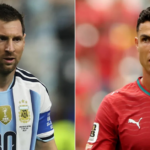
His rivalry with Lionel Messi elevated football into a global spectacle for nearly two decades. Together, they inspired millions, shattered records and changed the commercial landscape of the sport.
Portugal’s elimination also signals the beginning of a new era. While emerging talents will carry the national team’s ambitions forward, Ronaldo’s departure leaves a leadership void that cannot be filled overnight.
As supporters around the world reflected on his emotional farewell, many recognised that the World Cup does not solely define greatness. Instead, greatness is measured by influence, consistency, resilience and the ability to inspire generations.
Cristiano Ronaldo achieved all of those.
His final World Cup ended without the fairytale finish he sought. Nevertheless, he leaves the global stage with history on his side, countless records to his name and a legacy that will continue long after the final whistle.
The tears that accompanied his exit were not simply about defeat. They marked the closing scene of one of football’s greatest careers, a journey that reshaped the game and inspired millions to dream bigger.