Physical Address
304 North Cardinal St.
Dorchester Center, MA 02124
Physical Address
304 North Cardinal St.
Dorchester Center, MA 02124

Amplifying African Entrepreneurs voices, one story at a time
Amplifying African Entrepreneurs voices, one story at a time
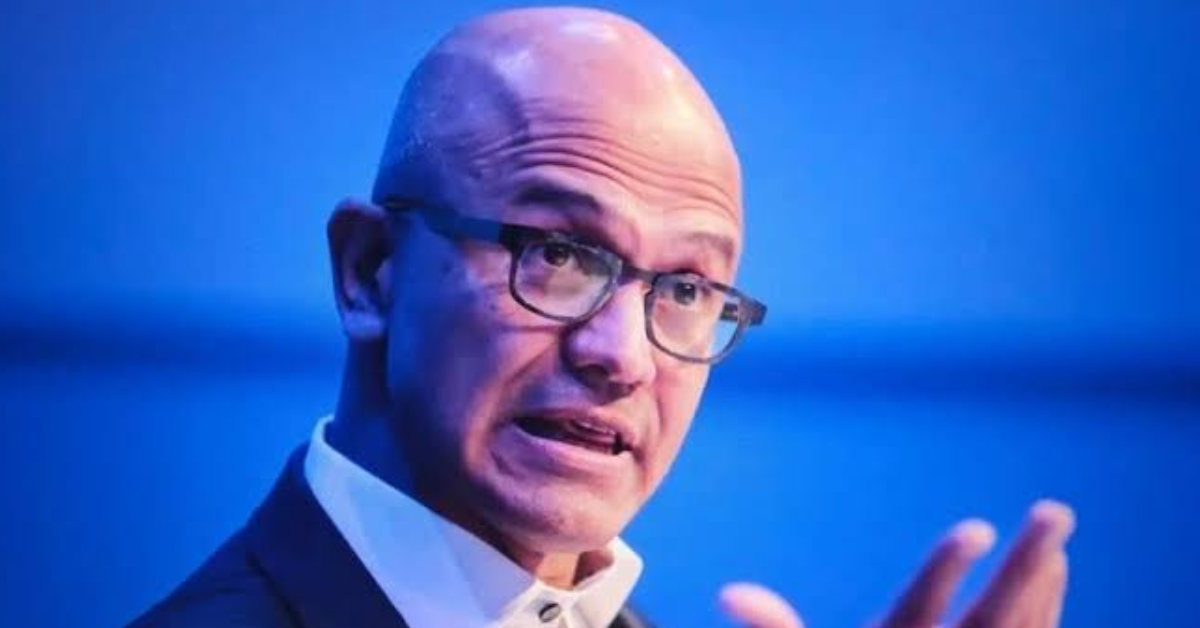
Microsoft has intensified its global artificial intelligence race after CEO Satya Nadella confirmed that the company’s flagship AI data center in Wisconsin will go live ahead of schedule. The announcement signals a bold acceleration of the tech giant’s infrastructure strategy as demand for AI computing surges worldwide.
The facility, located in Mount Pleasant, represents a cornerstone of Microsoft’s multi-billion-dollar investment in advanced computing systems. Nadella described the site as the “world’s most powerful AI datacenter,” emphasizing its ability to connect hundreds of thousands of GB200 chips into a unified system. This capability positions the company at the forefront of next-generation AI development.
Importantly, the Wisconsin project forms part of a broader $7 billion regional investment, with another large-scale data center already planned. As a result, Microsoft continues to scale rapidly, building infrastructure capable of supporting complex AI workloads across industries.
Meanwhile, the company is not limiting its ambitions to the United States. It has committed $10 billion to a major AI data center in Portugal, while also developing a massive AI “super factory” in Atlanta. In addition, billions more are being deployed to expand cloud and AI capacity in Canada. This aggressive expansion reflects a global strategy aimed at dominating AI infrastructure markets.
However, the rapid growth of AI facilities is raising serious concerns. Analysts at Goldman Sachs estimate that global electricity demand from data centers could surge by 220% before 2030. The projected increase to 1,350 terawatt-hours highlights the immense energy requirements tied to AI systems. Consequently, industry leaders now face mounting pressure to balance innovation with sustainability.
At the same time, local communities are beginning to push back. In Festus, a proposed $6 billion AI data center recently triggered political upheaval. Voters removed several city council members who supported the project, signaling growing resistance to large-scale developments. Concerns about land use, environmental impact, and community benefits continue to shape public opinion.
Although Microsoft’s expansion showcases the transformative power of AI, it also exposes the challenges that accompany rapid technological growth. As companies race to build the infrastructure of the future, debates around energy consumption and community impact are likely to intensify.