Physical Address
304 North Cardinal St.
Dorchester Center, MA 02124
Physical Address
304 North Cardinal St.
Dorchester Center, MA 02124

Amplifying African Entrepreneurs voices, one story at a time
Amplifying African Entrepreneurs voices, one story at a time
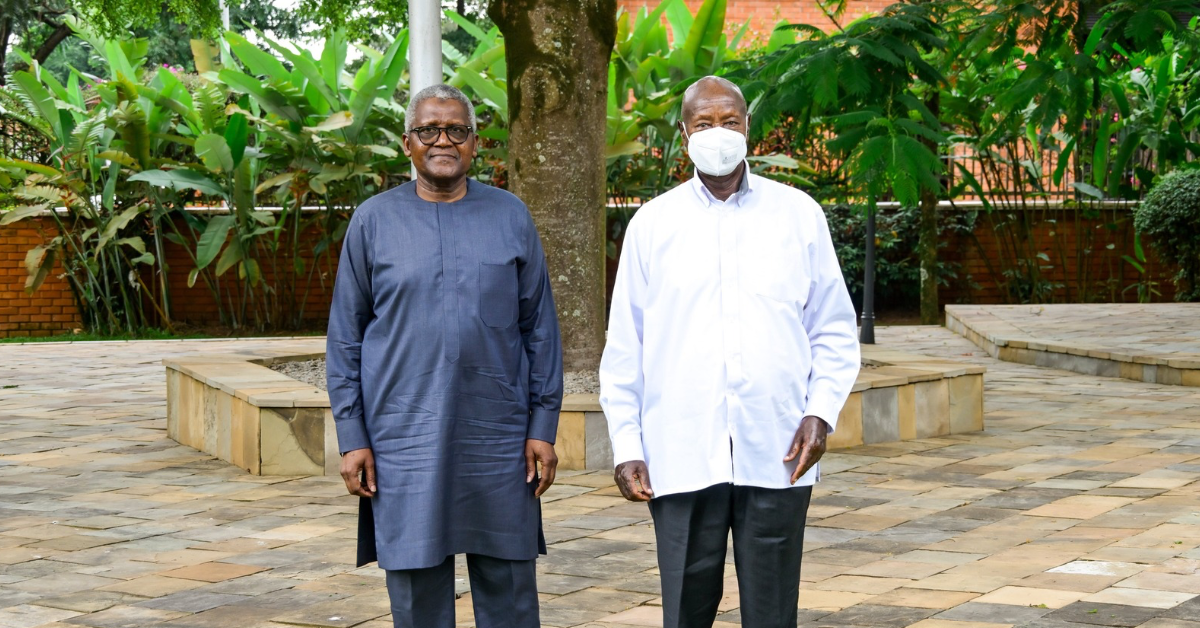
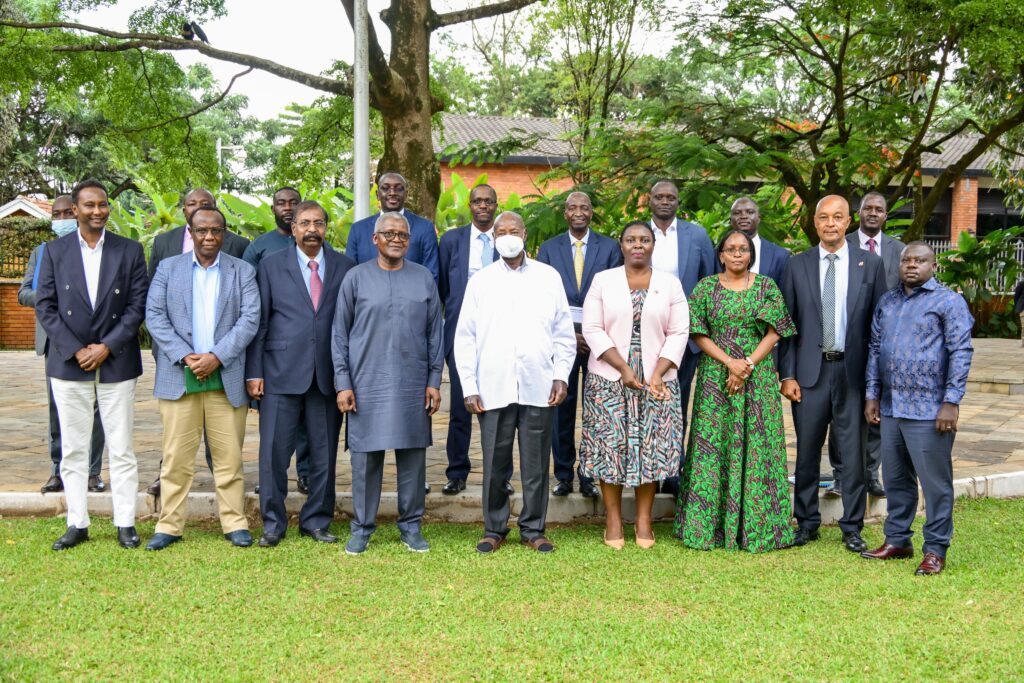
Ugandan President Yoweri Museveni has thrown his support behind a proposed East African regional refinery project after holding talks with African industrialist Aliko Dangote in Nakasero, a move that could reshape the future of energy cooperation across the region.
The meeting, announced by Museveni in a post on X on May 17, 2026, focused on plans to develop a large-scale regional refinery capable of serving multiple East African markets. The discussion comes as African governments intensify efforts to reduce dependence on imported petroleum products and strengthen local industrial capacity.
Museveni said Uganda has consistently opposed the export of raw materials without value addition. According to him, the country deliberately delayed oil production because leaders wanted refining infrastructure in place before exporting crude oil to international markets.
“Without refining our oil, it would not make economic or strategic sense to simply export crude oil while others benefit from the finished products,” Museveni stated.
The Ugandan leader welcomed the idea of a larger regional refinery, arguing that East Africa must abandon fragmented economic structures if the region hopes to unlock industrial growth, energy security, and long-term prosperity.
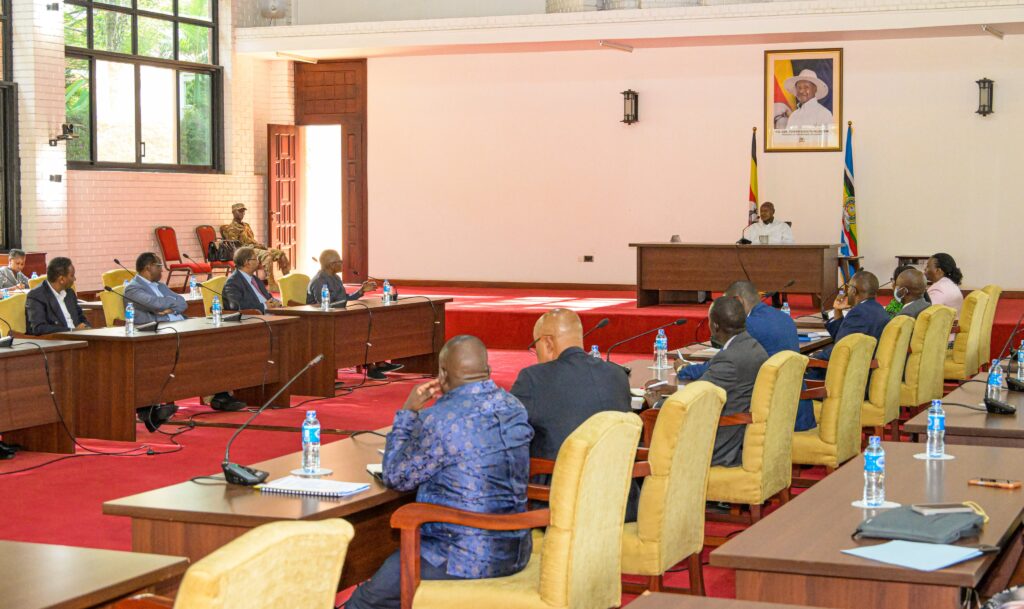
“We cannot continue operating as fragmented and weak markets,” he said. “If East Africa works together, such projects become more viable and beneficial to our people.”
Museveni also confirmed that Uganda would continue developing its domestic refinery project in Hoima while supporting the broader regional initiative. The dual-track strategy highlights Uganda’s ambition to become one of Africa’s emerging energy and industrial hubs.
The proposed refinery discussion aligns with growing interest from Dangote to expand refining and energy investments beyond Nigeria. His flagship refinery project in Lagos has already transformed conversations around African energy independence and local processing capacity.
Across East Africa, governments increasingly see regional energy infrastructure as critical to economic integration. Instead of operating isolated national supply chains, policymakers now want interconnected systems that can lower fuel costs, improve distribution, and strengthen trade within the region.
Among East African nations, Kenya remains a strategic player in the refinery conversation because of its extensive fuel logistics infrastructure. The country hosts the Port of Mombasa, one of the busiest gateways in Africa, alongside fuel storage facilities and pipeline networks that distribute petroleum products to neighboring countries including Uganda, Rwanda, South Sudan, and parts of the Democratic Republic of the Congo.
Supporters of the proposed refinery believe the initiative could create jobs, boost industrialization, strengthen regional trade, and reduce Africa’s dependence on imported refined petroleum products from overseas markets.
However, the announcement also triggered mixed reactions online. While many Africans praised the push for regional integration and energy security, critics questioned how the regional refinery would coexist with Uganda’s ongoing Hoima refinery project.
Others demanded more transparency around the proposal, especially regarding ownership structures, financing arrangements, and Uganda’s potential equity stake. Some social media users also warned that corruption and governance challenges could undermine the long-term benefits of large-scale infrastructure projects if accountability measures remain weak.
Despite the criticism, the Museveni-Dangote meeting signals growing momentum behind Africa-led industrialization strategies centered on value addition, regional cooperation, and energy independence.
For many observers, the proposed East African refinery represents more than an oil project. It reflects a broader shift in Africa’s economic thinking as leaders push to process resources locally, retain more value within the continent, and build stronger regional markets capable of competing globally.