Dangote Petroleum Refinery & Petrochemicals has launched an empowerment programme for 100 fishermen in Lekki, Lagos, in a move aimed at strengthening coastal livelihoods, improving household incomes and supporting traditional fishing businesses. The initiative, known as the Fishermen Livelihood Support Programme, will provide beneficiaries with technical and enterprise training, fishing equipment and post implementation monitoring to improve productivity, reduce operating costs and strengthen the financial stability of fishing households.
The programme reflects the refinery’s broader approach to community development, with a focus on ensuring that people living around its industrial operations benefit from the economic opportunities created by its investments. Unlike conventional empowerment initiatives that focus primarily on distributing equipment, Dangote Refinery has adopted a phased approach. Beneficiaries will first undergo practical training before receiving fishing assets.
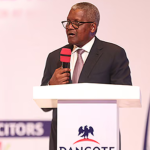
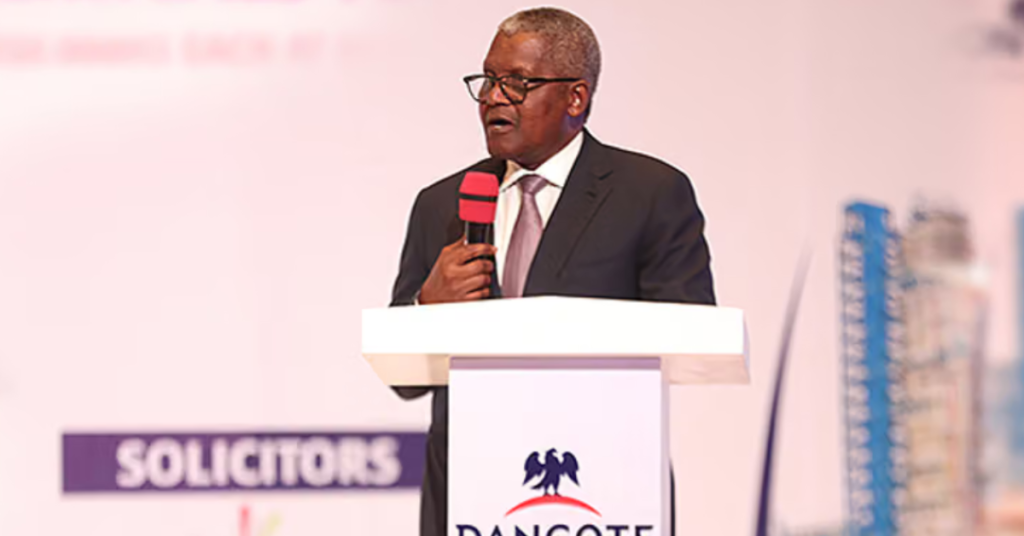
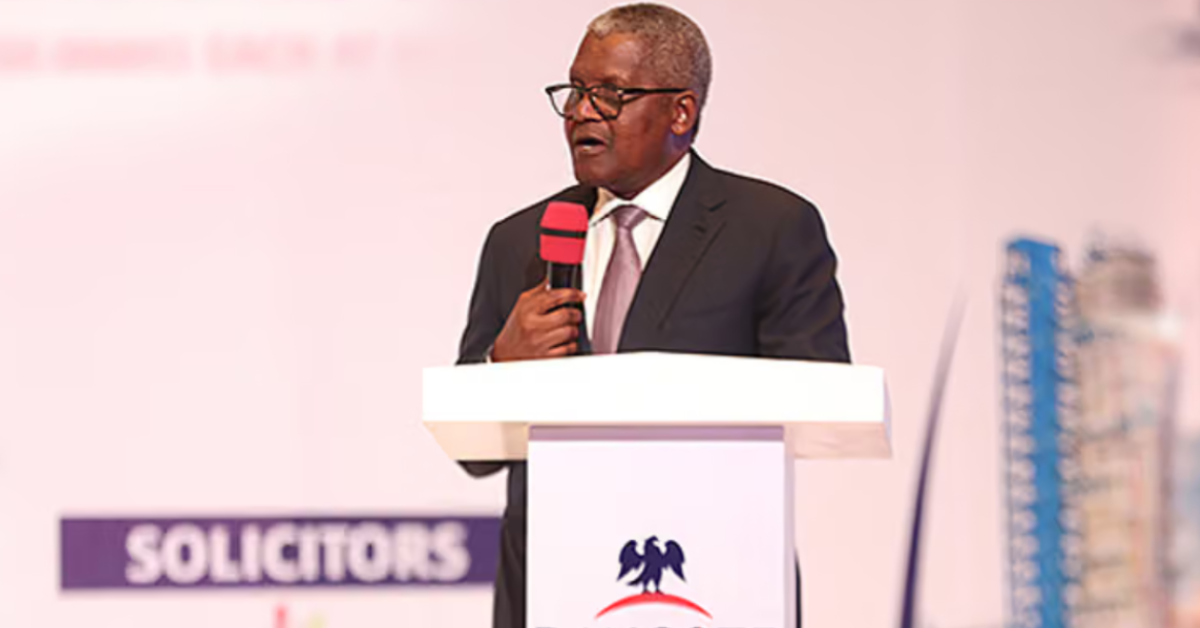
Dangote Refinery Links Industrial Growth to Community Development.Speaking at the programme’s launch, Managing Director and Chief Executive Officer of Dangote Petroleum Refinery & Petrochemicals, David Bird, said the company remained committed to ensuring that its operations deliver meaningful economic benefits to host communities. Bird emphasised that industrial development should translate into improved living conditions and greater economic opportunities for people in surrounding communities.
He noted that fishing remains central to the history, identity and economic survival of many coastal families in Lekki. According to him, the programme was designed to address some of the persistent challenges facing local fishermen, including high operating costs, unreliable equipment and safety risks associated with fishing activities. “The true measure of industrial progress is not only what we build, produce or contribute to the economy, but also the opportunities we create and the lives we improve in the communities where we operate,” Bird said.
He explained that the initiative goes beyond distributing canoes and engines. The refinery wants beneficiaries to operate more efficiently, minimise avoidable equipment repairs and generate better returns from their fishing businesses. “The value of this programme will not be measured by the number of canoes or engines we provide. It will be measured by what those assets enable our fishermen to achieve,” he added.
Bird encouraged beneficiaries to take the training seriously and use the equipment responsibly, noting that their long term economic progress would ultimately determine the programme’s success. He also acknowledged the contributions of traditional rulers and community leaders, reaffirming the company’s commitment to sustained engagement with its host communities. Training Focuses on Safety, Sustainability and Business Management
Also speaking at the launch, Head of HSSEF & Sustainability at Dangote Petroleum Refinery & Petrochemicals, Mbulelo Yokwe, said the programme was designed to improve fishermen’s livelihoods while promoting safer fishing practices and environmental responsibility. The training will cover safe navigation, responsible fishing methods, proper engine handling, routine equipment maintenance, environmental protection and basic business management.
Yokwe explained that the decision to introduce training before distributing fishing assets was deliberate. The company wants beneficiaries to understand how to maintain and maximise the value of their equipment. He noted that equipment breakdowns, inadequate maintenance and unsafe practices could significantly reduce fishermen’s earnings while exposing them to unnecessary risks. “Fishing is an occupation that involves considerable risks, and we have a responsibility to ensure that our interventions do not inadvertently expose beneficiaries to avoidable harm,” Yokwe said.
He added that the refinery expects the intervention to help fishermen return safely from fishing expeditions, reduce maintenance expenses and build more sustainable businesses capable of supporting their families. What the Initiative Means for Lekki’s Coastal Economy. The empowerment programme highlights the growing importance of corporate investment in host community development, particularly in areas where industrial expansion intersects with traditional economic activities.
For fishing communities in Lekki, access to reliable equipment, practical training and improved business management could help strengthen productivity and create more stable household incomes. The initiative also demonstrates how companies can structure community interventions around long term economic participation rather than one time donations.
As industrial investments continue to reshape economic activities across Lagos and other parts of Nigeria, the ability of major businesses to create opportunities for surrounding communities remains an important measure of sustainable development. For Dangote Refinery, the success of the Fishermen Livelihood Support Programme will ultimately depend on whether the 100 beneficiaries can translate the training and fishing assets into safer operations, stronger businesses and improved livelihoods.