Physical Address
304 North Cardinal St.
Dorchester Center, MA 02124
Physical Address
304 North Cardinal St.
Dorchester Center, MA 02124

Amplifying African Entrepreneurs voices, one story at a time
Amplifying African Entrepreneurs voices, one story at a time
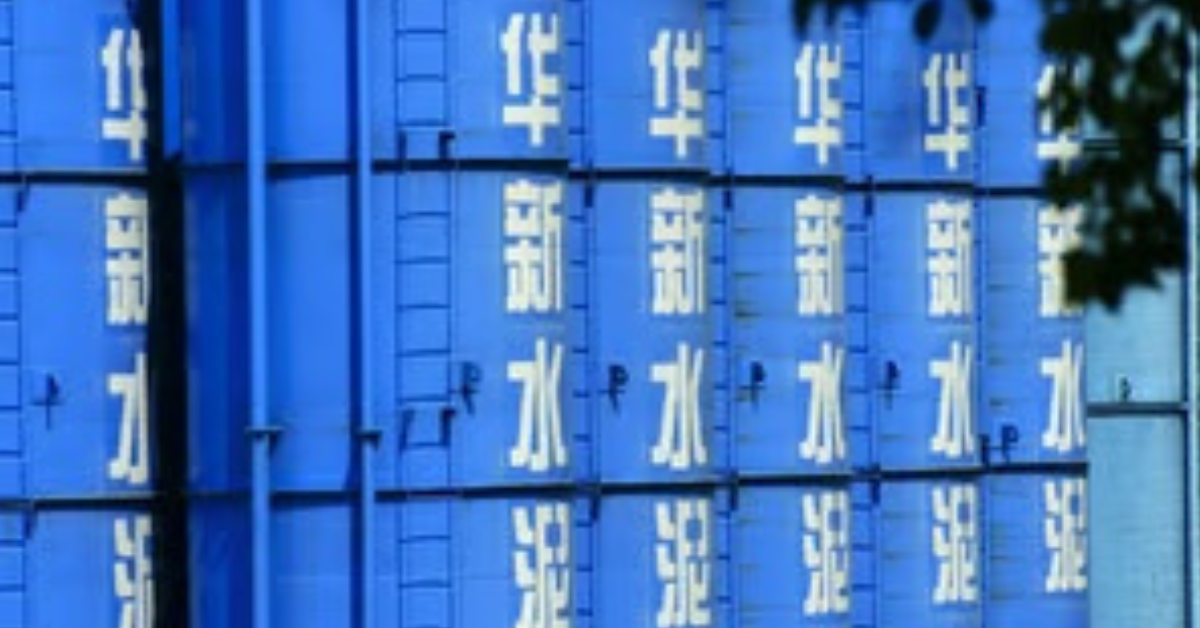
Nigeria’s cement industry is entering a new phase of competition following Huaxin Cement’s $1 billion acquisition of Holcim’s majority stake in Lafarge Africa, a move that is reshaping one of the country’s most strategic manufacturing sectors.
When the Chinese cement producer completed the landmark transaction in August last year, many industry observers viewed it as another chapter in the long running rivalry between market leaders Dangote Cement and BUA Cement.
The expectation was that Huaxin would simply emerge as a third domestic competitor in a market traditionally dominated by Africa’s richest businessman, Aliko Dangote, and billionaire industrialist Abdul Samad Rabiu.
A year later, the picture appears far more significant.
Huaxin’s expansion into Nigeria reflects a broader strategy by Chinese industrial groups to strengthen their presence across Africa’s fast growing infrastructure and construction markets.
Backed by substantial investment and supported by Hong Kong capital markets, the company is positioning itself to compete aggressively in one of Africa’s largest cement economies.
For Nigeria, the development comes at a crucial time. Rising urbanisation, population growth and government investment in roads, housing and industrial projects continue to drive long term demand for cement despite economic headwinds and inflationary pressures.
The arrival of a financially strong international player could reshape pricing strategies, production capacity and market dynamics across the industry.
Greater competition may also encourage innovation, operational efficiency and improved customer service as manufacturers compete for market share.
Dangote Cement has spent years building one of Africa’s largest cement businesses with an extensive manufacturing and distribution network that reaches multiple African countries. BUA Cement has also expanded rapidly, strengthening its production capacity and increasing its influence in Nigeria’s construction sector.
Huaxin’s acquisition of Lafarge Africa provides immediate access to an established manufacturing footprint, nationwide distribution channels and an existing customer base.
Rather than building new operations from the ground up, the company has entered the market with significant scale already in place.
Industry analysts believe the competition is no longer simply about who controls Nigeria’s cement market. It also reflects a wider contest between African industrial champions and global manufacturers seeking long term opportunities across the continent.
As infrastructure investment accelerates across Africa, Nigeria is expected to remain one of the continent’s most attractive markets for construction materials. Huaxin’s growing presence highlights increasing international confidence in the country’s industrial potential despite ongoing economic challenges.
For investors, manufacturers and policymakers, the evolving rivalry between Dangote Cement, BUA Cement and Huaxin represents more than a battle for market leadership. It signals the beginning of a new competitive era that could redefine Nigeria’s industrial landscape and influence the future of Africa’s manufacturing economy.