Physical Address
304 North Cardinal St.
Dorchester Center, MA 02124
Physical Address
304 North Cardinal St.
Dorchester Center, MA 02124

Amplifying African Entrepreneurs voices, one story at a time
Amplifying African Entrepreneurs voices, one story at a time
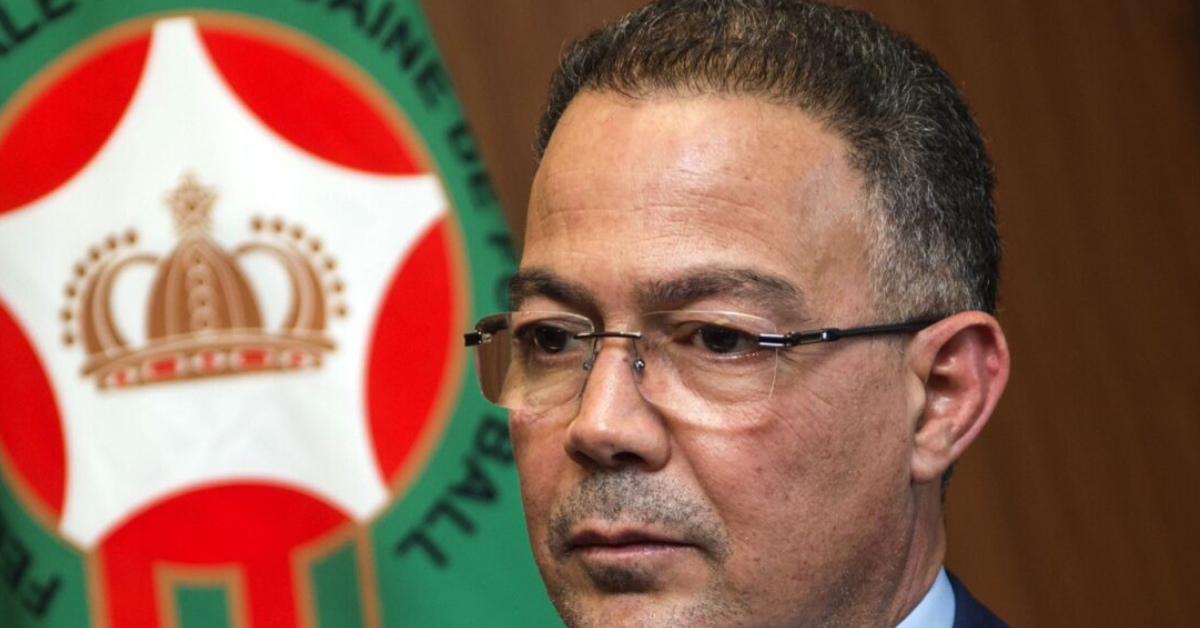
The Royal Moroccan Football Federation, alongside a coalition of African and international football bodies, pushed back strongly after reports suggested the UEFA president had described some World Cup matches under the new expanded structure as lacking competitive interest.
In a unified statement, the federations rejected that view and stressed that every match at the FIFA World Cup carries meaning, weight, and national pride. They insisted that no fixture on football’s biggest stage should ever be considered unimportant.
For Morocco and its partners, qualification represents far more than participation. It reflects years of preparation, financial investment, player development, and national sacrifice. The federations emphasized that reaching the World Cup remains one of the highest achievements in global sport.
They highlighted the emotional impact across nations such as Cabo Verde, Curaçao, and Uzbekistan, who are preparing for historic first appearances. They also pointed to the return of teams like DR Congo and Haiti, whose qualification carries deep significance for fans after long absences from the tournament.
The statement reinforced a clear message: football does not belong to a select group of dominant nations. Instead, it thrives on diversity, inclusion, and shared global competition. According to the federations, every country that qualifies earns its place through merit, and every match deserves respect.
Morocco signed the declaration alongside Algeria, Tunisia, Egypt, Senegal, Ghana, Côte d’Ivoire, South Africa, Cabo Verde, DR Congo, Curaçao, Haiti, and Uzbekistan, forming a rare cross-continental alignment in football governance.
The 2026 FIFA World Cup will be the first edition to feature 48 teams, expanding from the long-standing 32-team format used between 1998 and 2022. The tournament will include 12 groups of four teams and a total of 104 matches, significantly increasing global participation and exposure.
However, questions remain over the origin of the remarks that triggered the joint reaction. Some reports citing UEFA-linked sources suggested that Ceferin may not have recently used the wording attributed to him, and officials reportedly questioned the accuracy of the claim.
While Aleksander Čeferin has previously criticized proposals to further expand future tournaments to 64 teams, calling it a “bad idea,” those comments did not directly match the statements challenged by the federations.