Physical Address
304 North Cardinal St.
Dorchester Center, MA 02124
Physical Address
304 North Cardinal St.
Dorchester Center, MA 02124

Amplifying African Entrepreneurs voices, one story at a time
Amplifying African Entrepreneurs voices, one story at a time
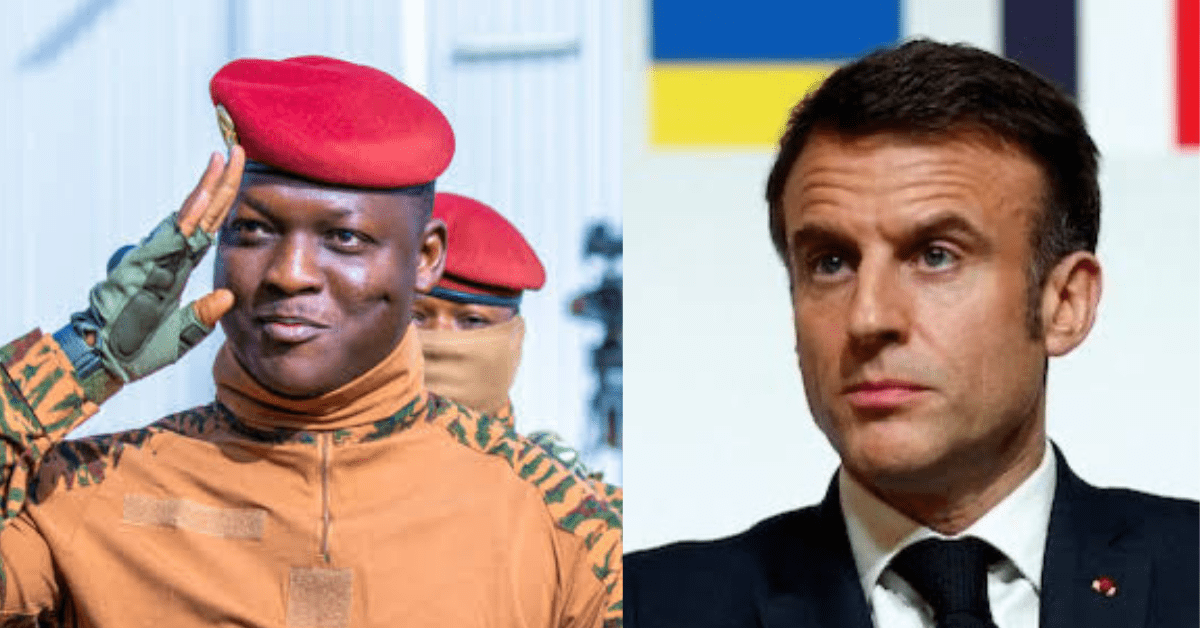
In a bold move aimed at dismantling colonial legacies, Burkina Faso’s leader, Captain Ibrahim Traoré, has announced plans to replace French with Kiswahili as the country’s national language.
Traoré described the continued dominance of French in Burkina Faso as a form of linguistic colonization, arguing that the use of a language tied to colonial exploitation undermines the nation’s sovereignty and cultural identity.
“It makes no sense to use the language which drained our resources for years as the country’s national language. If indeed we are no longer under the French colony, then Kiswahili must be put into use, day and night, and in all corners of Burkina Faso,” Traoré declared.
The decision, which has already stirred debate across Africa, marks a significant step in the Pan-Africanist vision of fostering unity through Kiswahili, widely spoken across East and Central Africa and recognized by the African Union as an official working language.
If implemented, Burkina Faso would be among the first Francophone West African nations to embrace Kiswahili as a national language, a shift that could influence other countries seeking to distance themselves from colonial influence and build stronger cultural and economic ties within Africa.
Observers say the move may present challenges in implementation, given Kiswahili is not traditionally spoken in West Africa but also opens new possibilities for Pan-African integration, education reforms, and regional solidarity.