
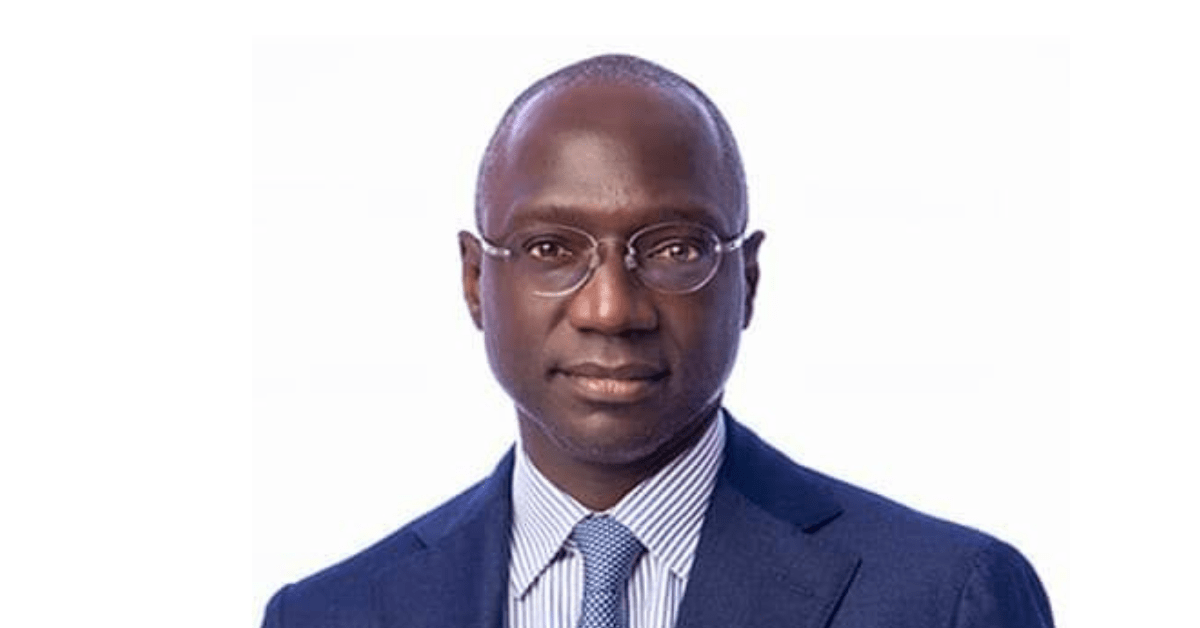
Senegal’s Minister of Agriculture, Food Sovereignty and Livestock, Dr. Mabouba Diagne, has met with representatives of the Turkish private sector to explore a strategic partnership aimed at transforming Senegal’s agricultural sector.
The meeting took place on the sidelines of Prime Minister Ousmane Sonko’s official visit to Türkiye, underscoring the importance Senegal places on forging international collaborations that align with its sovereign vision for agricultural modernization.
Dr. Diagne emphasized that Senegal seeks win-win cooperation grounded in knowledge and technology transfer, particularly in the field of agricultural machinery. He highlighted the need for a paradigm shift to accelerate the country’s agricultural transformation in line with the Senegal 2050 Reference Framework, which sets out long-term ambitions for a modern, efficient, and sustainable agricultural sector.
“Our commitment is to build a resilient agriculture system that ensures food sovereignty and strengthens national capacities for both present and future generations,” Dr. Diagne stated.
During the discussions, the Minister reaffirmed Senegal’s sovereign vision, prioritizing win-win cooperation based on the transfer of skills, particularly in the field of agricultural machinery. He emphasized the need for a paradigm shift, in line with the ambitions of Senegal’s 2050 Reference Framework, to build a modern, efficient, and sustainable agriculture.
The Minister called on Turkish companies to co-produce locally with Senegal, starting with essential agricultural equipment such as tractors, combine harvesters, and motor cultivators. He emphasized that such partnerships would not only strengthen Senegal’s food sovereignty but also create sustainable opportunities for future generations.
“Don’t make the mistake that the Europeans and the Chinese have made,” Dr. Diagne cautioned in a video message. “They came to sell machinery and services. What Africa needs are investors who will build factories locally, train our young people, and help us produce what we currently import. Africa imports close to $65 billion worth of food annually — that nonsense has to stop.”
The Ministry of Agriculture, Food Sovereignty and Livestock (MASAE) reiterated its commitment to strengthening national capacities in collaboration with international partners while ensuring that development aligns with Senegal’s long-term ambitions.


Morocco Leads 12 Nations in FIFA World Cup 2026 Debate Storm