Physical Address
304 North Cardinal St.
Dorchester Center, MA 02124
Physical Address
304 North Cardinal St.
Dorchester Center, MA 02124

Amplifying African Entrepreneurs voices, one story at a time
Amplifying African Entrepreneurs voices, one story at a time
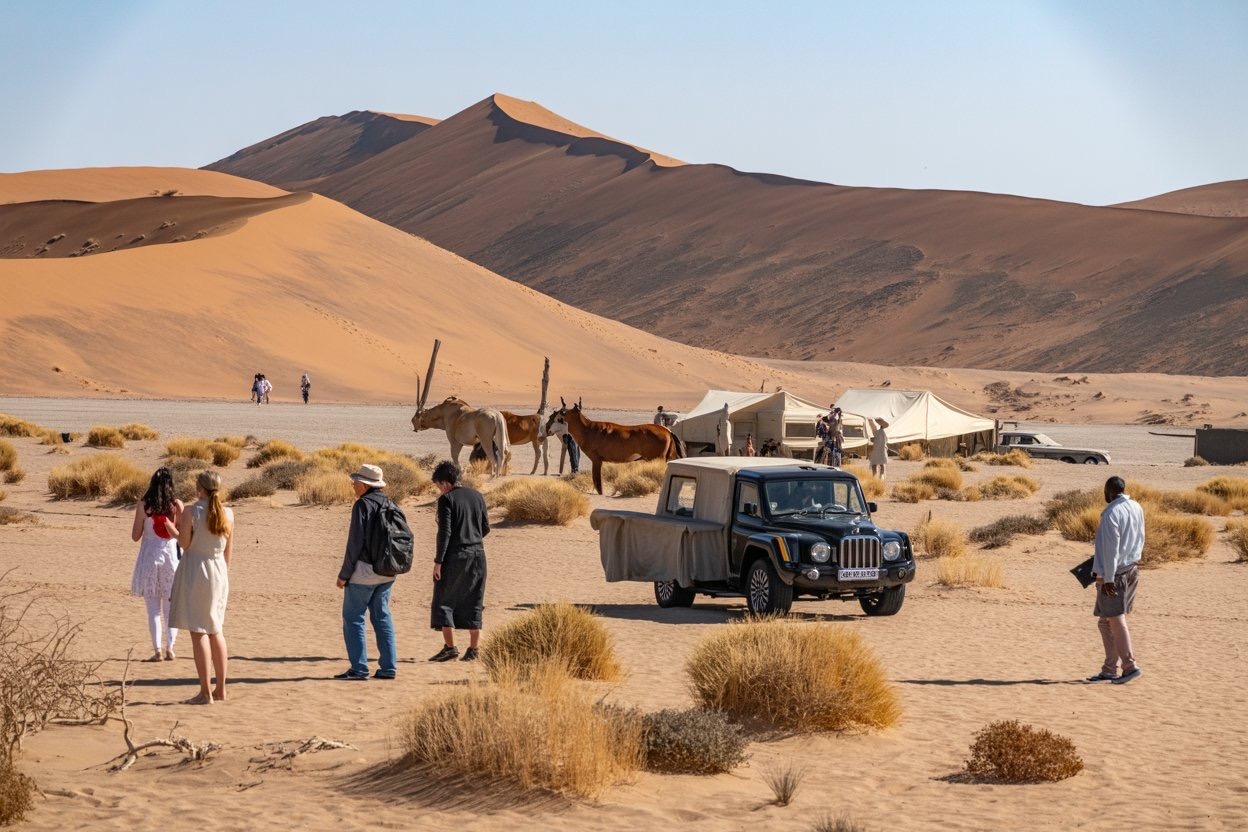
Morocco has joined a powerful lineup of African nations including Uganda, Egypt, Nigeria, South Africa, Tanzania, Ethiopia and Zambia, in driving an impressive surge in global tourism growth this year, reinforcing Africa’s rising dominance as one of the world’s fastest-growing travel regions. New data shows a strong uptick in tourist arrivals and revenue across the continent, fueled by Africa’s unmatched cultural heritage, iconic landscapes, and rapidly expanding tourism infrastructure. As travelers continue to seek authentic experiences from ancient sites and wildlife adventures to luxury resorts and vibrant cities. Africa is cementing its position as a top global tourism hub.
Egypt recorded a strong 21.0% rise in international arrivals in 2025, powered by the full recovery of Nile River cruises and sustained demand for its Red Sea destinations such as Sharm El Sheikh and Hurghada. The country’s timeless attractions, including the Pyramids of Giza, the Sphinx and famous temples, continue to anchor Egypt’s global tourism appeal, contributing to its status as one of Africa’s leading tourism powerhouses.
Ethiopia posted an 18.0% increase in arrivals, buoyed by its deep cultural and historical heritage. The UNESCO-listed rock-hewn churches of Lalibela remain a key attraction, while Ethiopian Airlines’ role as a major continental hub has boosted accessibility. The country’s renewed focus on heritage tourism and its commitment to preserving and showcasing ancient sites has strengthened its global visibility.
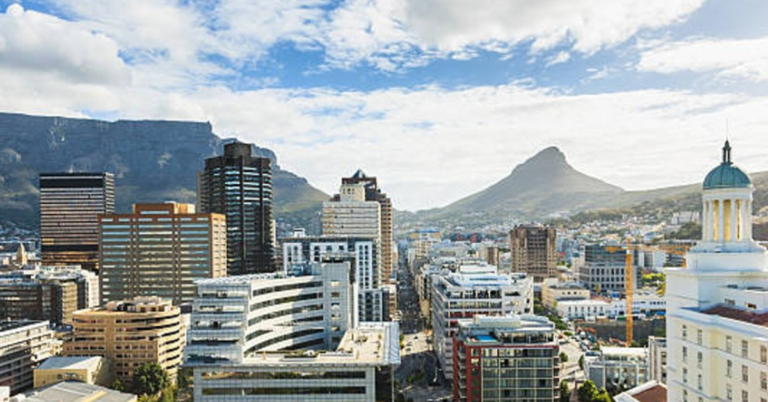
South Africa achieved 17.0% tourism growth, driven by its blend of nature-based tourism and dynamic urban experiences. Wildlife safaris in the renowned Kruger National Park continue to attract global adventurers, while Cape Town’s cultural vibrancy and natural wonders remain central to the country’s appeal. A mix of regional and international travel is supporting South Africa’s steady recovery and rising competitiveness.
Morocco, which registered a 14.0% rise in arrivals, continues to expand its influence in African tourism through culture-driven experiences and major infrastructure investments. Historic cities such as Marrakech and Fez remain in high demand, while improved air connectivity and modern hospitality facilities are increasing Morocco’s global reach. With preparations for the 2030 FIFA World Cup underway, the country is scaling its tourism offerings and strengthening its position as a premier destination for global travelers.
Tanzania recorded a 10.9% rise in international arrivals, reflecting its growing reputation as a luxury safari and beach destination. The Serengeti remains globally renowned for world-class wildlife viewing and the Great Migration, while Zanzibar’s beaches continue to attract high-end travelers. Tanzania’s premium safari experiences and natural assets position it as a leader in Africa’s upscale tourism segment.
Tunisia reported an estimated 18% growth in arrivals between January and September, rebounding on the strength of its Mediterranean beaches, ancient cultural sites and desert landscapes. Aggressive marketing efforts and improved tourism infrastructure are supporting its steady return as a top choice in the Mediterranean.
Nigeria saw tourism arrivals grow by 12% to 15%, driven largely by the Nigerian Diaspora and a booming business travel segment. Lagos and Abuja have become major conference and investment hubs, attracting professionals from across the world. Alongside business tourism, Nigeria’s influential music, fashion and arts industries continue to shape its cultural tourism appeal.
Uganda experienced a 13.3% rise in tourism receipts, supported by high-value attractions such as Gorilla Trekking in Bwindi Impenetrable Forest. The country’s investment in ecotourism, adventure travel and biodiversity conservation is helping it draw more nature enthusiasts and global explorers.
Zambia is also gaining traction with strong growth driven by adventure tourism and cultural events like the Africa Bike Culture Festival. Its proximity to Victoria Falls and growing portfolio of safaris, hiking routes and cultural festivals is positioning the country for a standout tourism year.
Across the continent, Africa’s expanding tourism footprint reflects rising global recognition of its diversity, authenticity and economic potential. With countries like Morocco, Egypt, Tanzania, South Africa and Ethiopia leading the surge and emerging destinations such as Uganda and Zambia gaining momentum. Africa is firmly on track to shape the future of global tourism.