Physical Address
304 North Cardinal St.
Dorchester Center, MA 02124
Physical Address
304 North Cardinal St.
Dorchester Center, MA 02124

Amplifying African Entrepreneurs voices, one story at a time
Amplifying African Entrepreneurs voices, one story at a time
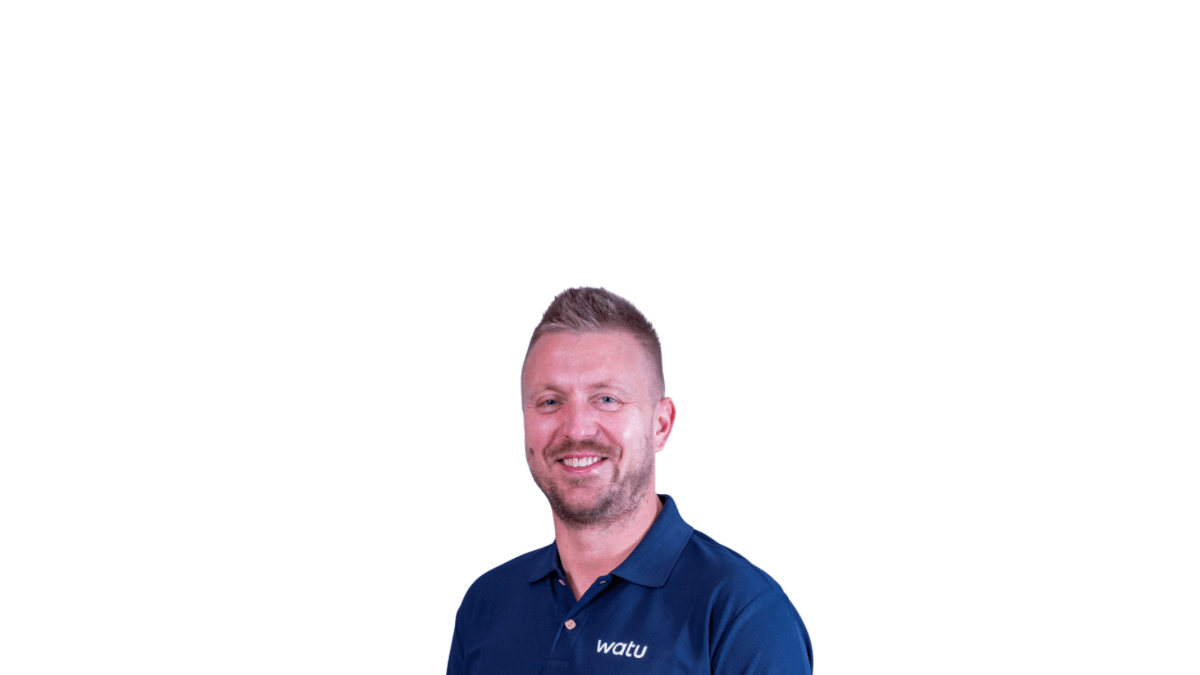
Watu, a leading asset-backed financing company operating in emerging markets, has marked a decade of impact across Africa with a renewed focus on accelerating economic mobility beyond basic financial access.
The company, which began operations in Mombasa, Kenya, has expanded to eight African countries and two Latin American markets, supporting more than five million customers whose livelihoods sustain urban transportation, trade, and service delivery. Watu’s customer base includes motorcycle and three-wheeler operators, small-scale entrepreneurs, and digital economy participants operating largely within Africa’s informal sector.
According to Watu, access to income-generating assets such as motorcycles, tuk-tuks, and smartphones has proven more effective in stabilising earnings than traditional microloans. These assets enable mobility, logistics, digital payments, and customer connectivity, key pillars of participation in Africa’s rapidly growing service and digital economies.
Over the years, Watu’s business model has evolved in response to on-the-ground realities. The company transitioned from community-based table banking to structured mobility financing and later expanded into digital device financing as smartphones became essential economic infrastructure. This adaptive approach, Watu says, has been central to unlocking sustainable income opportunities for informal workers historically excluded from formal credit systems.
As operations scaled, the company reported lessons around responsible growth, particularly in managing income volatility, economic shocks, and regulatory transitions across multiple markets. Watu notes that strengthening affordability assessments, improving risk communication, and supporting customers during periods of financial stress have become critical components of its inclusion strategy.
The company also highlighted broader structural shifts shaping its next phase of growth. These include the gradual electrification of transport across African cities, the rapid expansion of digital and mobile money payments, and the increasing formalisation of informal work through technology, digital identity, and platform-based labour systems.
Watu says these trends are reshaping how economic participation functions across Africa, creating new opportunities while raising the need for financing models that align with changing work patterns and technologies.
Looking ahead, Watu’s strategy is shifting from widening access to enabling long-term upward mobility. The company is exploring ways to support customers in progressing from initial asset ownership to business expansion, while working with regulators, manufacturers, and development partners to ensure emerging solutions—such as electric mobility—deliver measurable economic benefits.
As it enters its second decade of operations, Watu reaffirmed its commitment to responsible scaling, innovation, and closer alignment with the realities of entrepreneurs powering Africa’s informal and service economies.