Physical Address
304 North Cardinal St.
Dorchester Center, MA 02124
Physical Address
304 North Cardinal St.
Dorchester Center, MA 02124

Amplifying African Entrepreneurs voices, one story at a time
Amplifying African Entrepreneurs voices, one story at a time

The African Development Fund (ADF), the concessional financing arm of the African Development Bank Group, has secured a landmark $11 billion for its 17th replenishment cycle (ADF-17), marking the largest mobilisation in the Fund’s history and signalling a bold shift toward African-led development and investment.
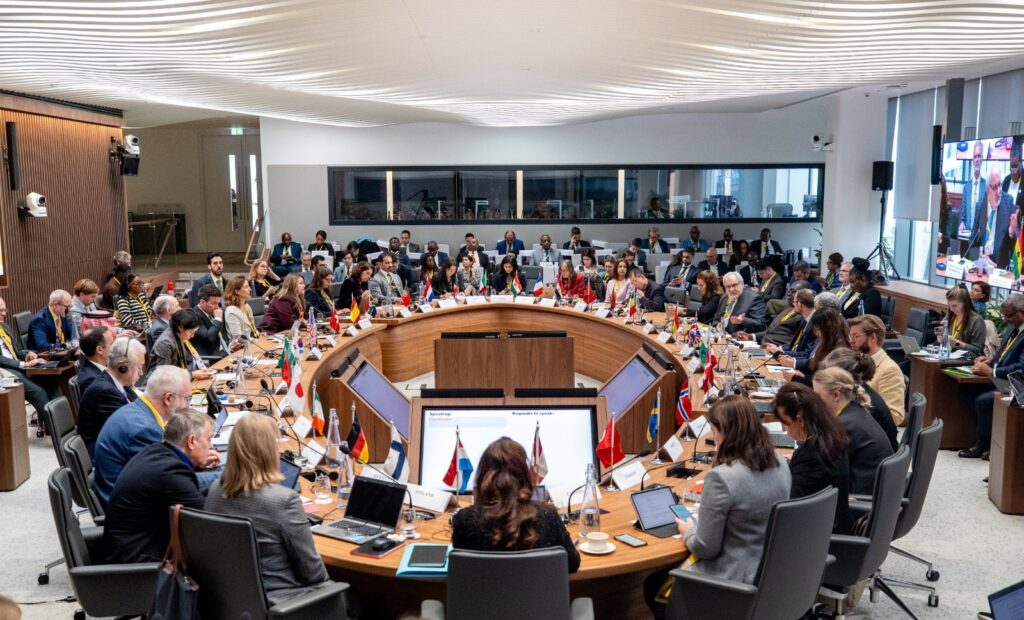
In a replenishment conducted during a period of strained global budgets and fiscal uncertainty, contributions from 43 partners represent a 23% increase from the previous cycle demonstrating sustained international confidence in the continent’s development trajectory and the Bank’s transformative leadership.
What sets ADF-17 apart is the unprecedented commitment by African nations themselves. For the first time since the Fund’s establishment, 23 African countries contributed to the concessional financing window, collectively pledging $182.7 million. Nineteen of these countries were first-time contributors, reflecting a deepening culture of shared responsibility and signalling Africa’s evolution from aid recipient to co-investor in its own growth narrative.
Dr Sidi Ould Tah, President of the African Development Bank Group, described the mobilisation as a turning point, noting that African governments and global partners opted to prioritise investment and ambition at a time when many economies face contraction.
ADF-17 also introduces a new financial model designed to scale impact, unlock private capital, and reduce investment risk. Through tools such as hybrid capital and the Market Borrowing Option, concessional finance is expected to act as a catalyst rather than simply a funding source. Historically, every dollar invested by the Fund attracts more than $2.50 in co-financing and private sector capital leverage expected to grow under the new structure.
This replenishment further cements large-scale partnership arrangements. Commitments include up to $800 million from the Arab Bank for Economic Development in Africa and as much as $2 billion from the OPEC Fund. These alliances are set to expand the Fund’s reach in fragile and low-income regions, backing high-impact projects in energy access, food security, human capital development, regional integration, and resilient infrastructure.
ADF-17 resources will support 37 African countries, particularly those facing fragility and conflict. Through strategic risk-sharing and concessional investment, the funding aims to accelerate job creation, stabilise markets, and strengthen climate-resilient development.
Co-hosted by Ghana and the United Kingdom, the London pledging event caps a year-long negotiation process. Ghana’s Deputy Minister of Finance, Thomas Nyarko Amprem, emphasised the Fund’s role in reducing vulnerability across the continent, while UK Minister Baroness Jenny Chapman reiterated the importance of the partnership in advancing sustainable growth beneficial to both Africa and global markets.
The replenishment marks not just a financial achievement, but a significant signal: Africa is taking an increasingly active role in shaping its economic future, leveraging concessional finance not as charity, but as investment capital aimed at scale, stability, and inclusive development.