Physical Address
304 North Cardinal St.
Dorchester Center, MA 02124
Physical Address
304 North Cardinal St.
Dorchester Center, MA 02124

Amplifying African Entrepreneurs voices, one story at a time
Amplifying African Entrepreneurs voices, one story at a time
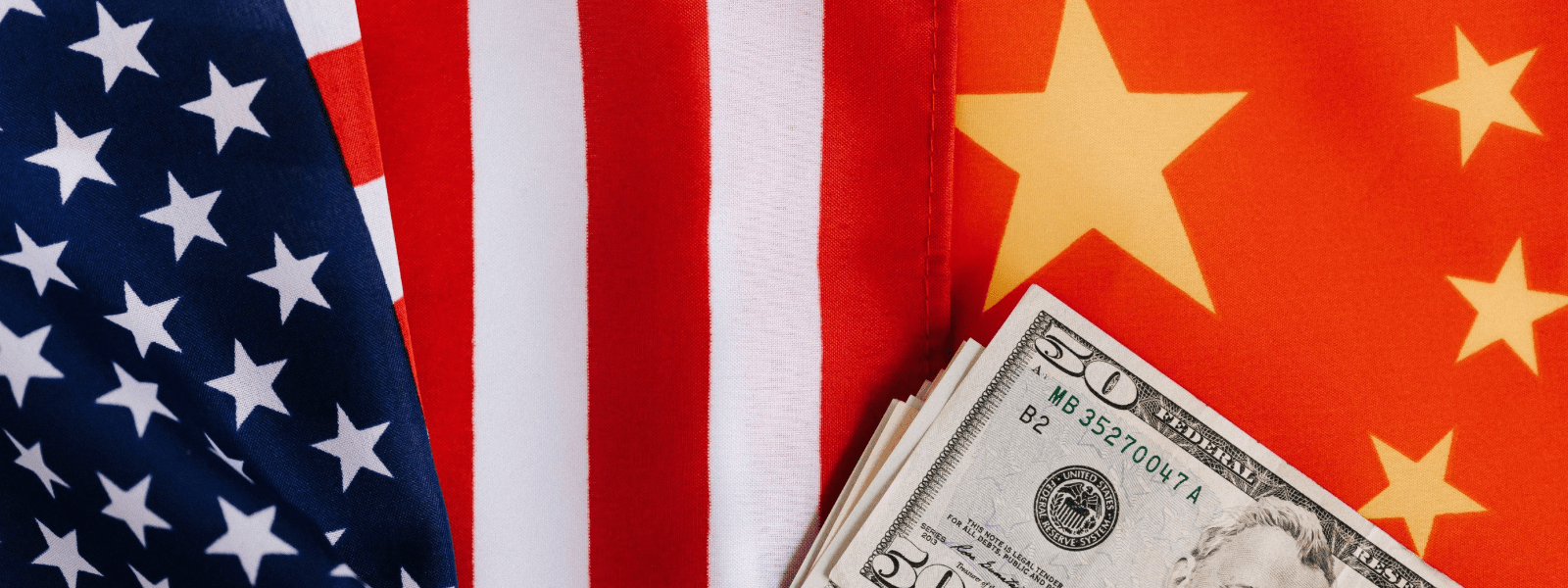
The global economic order has been quietly but decisively reshaped over the last four decades, with long-established powers holding ground, new giants rising rapidly, and emerging markets steadily gaining influence. Fresh data from the International Monetary Fund’s World Economic Outlook (October 2025) shows how the world’s largest economies have evolved from 1980 to 2025, measured in current U.S. dollars and reflecting nominal growth rather than inflation-adjusted figures.
At the top of the rankings, the United States has maintained its position as the world’s largest economy throughout the period. In 1980, U.S. GDP stood at approximately $2.9 trillion. By 2000, it had climbed past $10.2 trillion, and by 2025 it exceeded $30.6 trillion. Despite shifts in global economic power, the U.S. has sustained its lead through a large domestic market, deep financial systems, innovation, and long-term productivity growth, even as competition intensified.
The most striking transformation over the period is China’s ascent. In 1980, China ranked outside the top five with a GDP of just over $300 billion. By 2000, it had begun climbing the global ladder, and within two decades it overtook major European economies as well as Japan. By 2025, China stands firmly as the world’s second-largest economy with an estimated GDP of nearly $19.4 trillion, marking one of the most dramatic economic expansions in modern history and redefining global trade, manufacturing, and investment flows.
Japan’s trajectory tells a different story. Once a dominant force in the late 1980s and early 1990s, Japan briefly narrowed the economic gap with the United States. However, prolonged slow growth, deflationary pressures, and demographic challenges gradually reduced its momentum. By 2025, Japan had fallen to fourth place globally, with a GDP of about $4.3 trillion, reflecting how structural factors can reshape even the strongest economies over time.
Europe’s major economies have shown relative stability amid global change. Germany, the United Kingdom, and France have consistently remained within the world’s top ten economies since 1980. Germany continues to anchor Europe’s industrial strength, while the UK and France have retained global relevance through diversified economies, services, and trade links, even as growth has been slower compared to fast-rising emerging markets.
Beyond China, the rise of emerging economies has been one of the defining trends of the global economy since 1980. India’s expansion stands out, with GDP growing from under $200 billion in 1980 to more than $4.1 trillion by 2025, placing it among the world’s top five economies. This growth reflects decades of economic reforms, a large and youthful population, and increasing integration into global markets.
Outside the top ten, countries such as Brazil, Mexico, Indonesia, and Türkiye have also climbed steadily up the global rankings. Their progress highlights a broader shift in economic gravity toward emerging markets, where faster population growth, industrialisation, and expanding consumer markets have outpaced many advanced economies over the long run.
Together, the data underscores a central reality of the modern global economy: while established powers like the United States continue to lead, the balance of economic influence is no longer concentrated in a few regions. Instead, it is increasingly shaped by dynamic emerging economies whose growth is redefining global production, trade, and investment patterns well into the future.