Physical Address
304 North Cardinal St.
Dorchester Center, MA 02124
Physical Address
304 North Cardinal St.
Dorchester Center, MA 02124

Amplifying African Entrepreneurs voices, one story at a time
Amplifying African Entrepreneurs voices, one story at a time
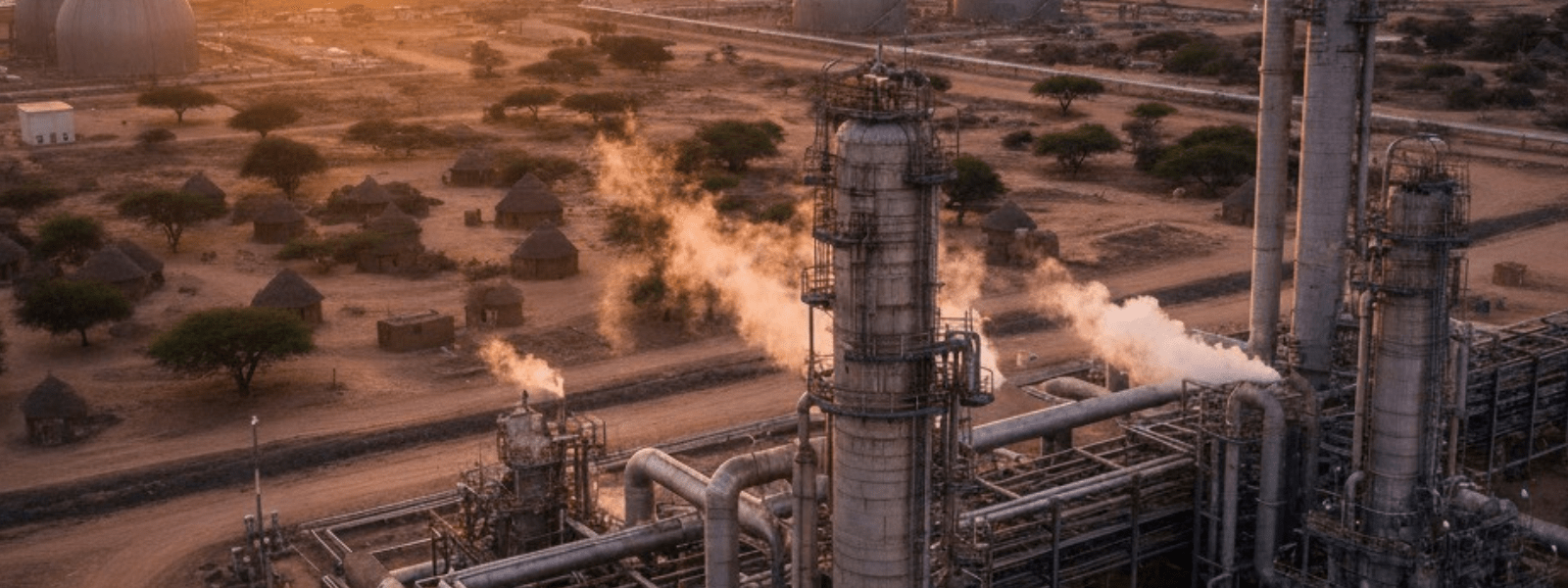
Africa faces a critical energy crossroads as global liquefied natural gas (LNG) markets prepare for a significant supply surge. According to Bloomberg’s Global LNG Market Outlook 2030, worldwide LNG output is expected to reach 594 million tons by 2030, a 42% increase from 2024, creating a projected 15-million-ton oversupply. While geopolitical uncertainties and potential delays may influence this balance, the looming surplus raises a pivotal question for Africa: should the continent continue prioritizing exports, or invest in infrastructure to drive domestic energy growth and industrialization?
Africa’s natural gas production is on the rise, with new LNG projects emerging across the continent. North Africa currently accounts for two-thirds of output, but the African Energy Chamber (AEC) State of African Energy 2026 Outlook projects this share dropping to 40% by 2035 as sub-Saharan production accelerates. By 2050, sub-Saharan LNG supply could quadruple, while regional gas demand is expected to grow 60%, rising from 55 billion cubic meters (bcm) in 2020 to 90 bcm.
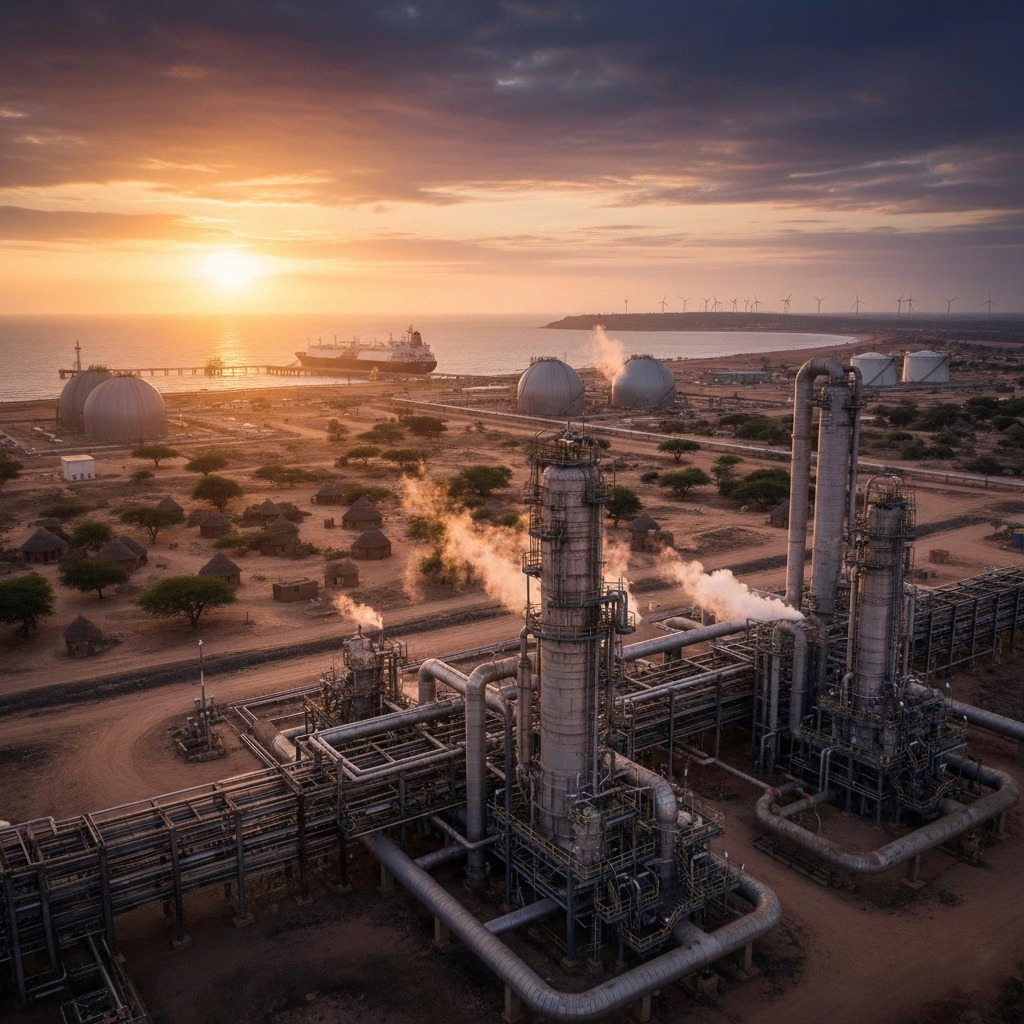
Yet, domestic consumption remains constrained. Infrastructure gaps including limited pipelines, underdeveloped transmission networks, and insufficient storage and processing facilities—mean most gas continues to flow abroad under export contracts. Financing challenges further complicate efforts to expand local distribution, as funding is often more readily available for international LNG ventures than for domestic infrastructure. Experts argue that Africa’s energy future depends on aligning rising production with robust pipelines, power generation, and regional interconnections.
Momentum is building across the continent. New LNG terminals are under construction, including projects at Richards Bay in South Africa and the Port of Nador in Morocco. Ethiopia recently signed a landmark Gas-by-Rail Economic Corridor Initiative agreement, creating a 75,000-km freight railway system capable of transporting LNG to over 40 sub-Saharan nations. Cross-border pipelines are also advancing, including the $25 billion Nigeria-Morocco Gas Pipeline, the Trans-Saharan Gas Pipeline linking Nigeria and Algeria, and the $1.5 billion Mozambique-Zambia pipeline. Senegal is developing a multi-phase gas network connecting offshore fields to power plants, industrial zones, and urban centers, while Ghana plans five multi-purpose petrochemical plants to bolster fertilizers, lubricants, and industrial chemicals.
The continent is increasingly embracing gas-to-power solutions. The AEC projects natural gas will supply 45% of Africa’s electricity by 2050. Countries such as Nigeria, South Africa, Angola, Senegal, Ghana, and Mozambique are integrating gas-to-power initiatives into national strategies, aiming to deliver electricity, cleaner cooking solutions, and industrial growth.
“Export projects alone will not secure Africa’s energy future. Strategic investment in gas infrastructure is what will determine whether rising production translates into electricity access, industrial capacity, and economic resilience,” said NJ Ayuk, Executive Chairman of the African Energy Chamber.
With domestic demand rising, export markets growing more competitive, and infrastructure projects underway, African Energy Week 2026 will serve as a critical forum to reposition LNG not just as a commodity, but as a foundation for long-term energy security, industrial development, and inclusive economic growth across Africa.