Physical Address
304 North Cardinal St.
Dorchester Center, MA 02124
Physical Address
304 North Cardinal St.
Dorchester Center, MA 02124

Amplifying African Entrepreneurs voices, one story at a time
Amplifying African Entrepreneurs voices, one story at a time
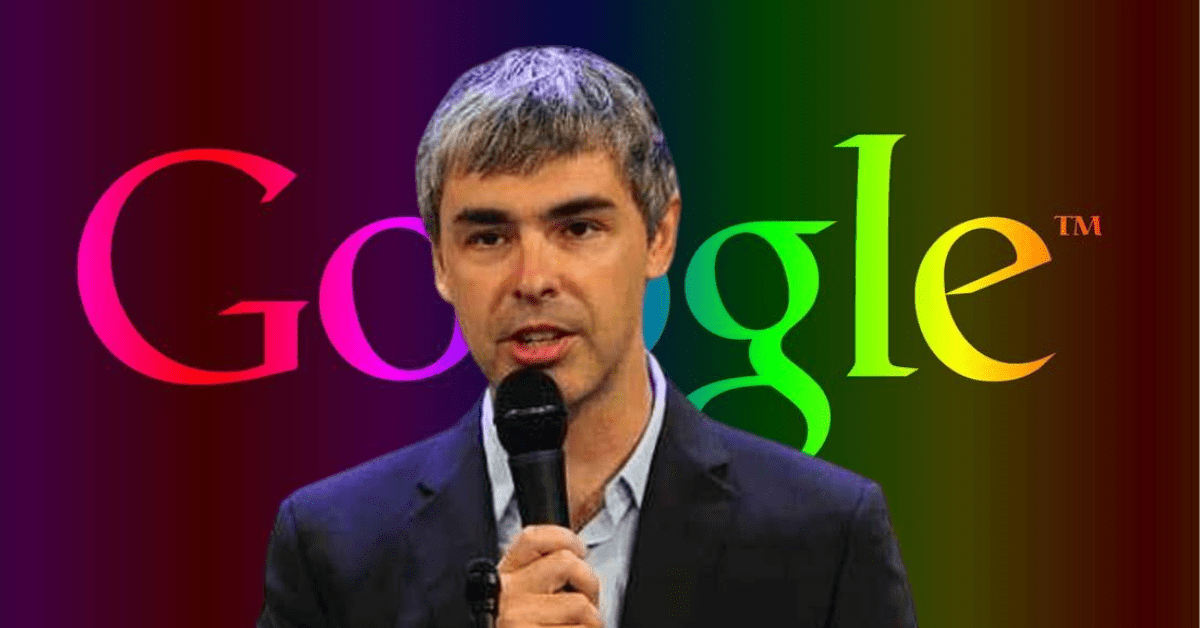
Larry Page, Google’s co-founder and one of the world’s richest individuals, has begun relocating major business entities out of California ahead of a proposed billionaire wealth tax that could reshape how ultra-rich residents manage their fortunes.
According to corporate filings reviewed by Business Insider, Page completed several high-level restructurings before the end-of-2025 deadline tied to the proposed tax framework. In late December, his family office, Koop, officially converted from a California entity to a Delaware corporation.
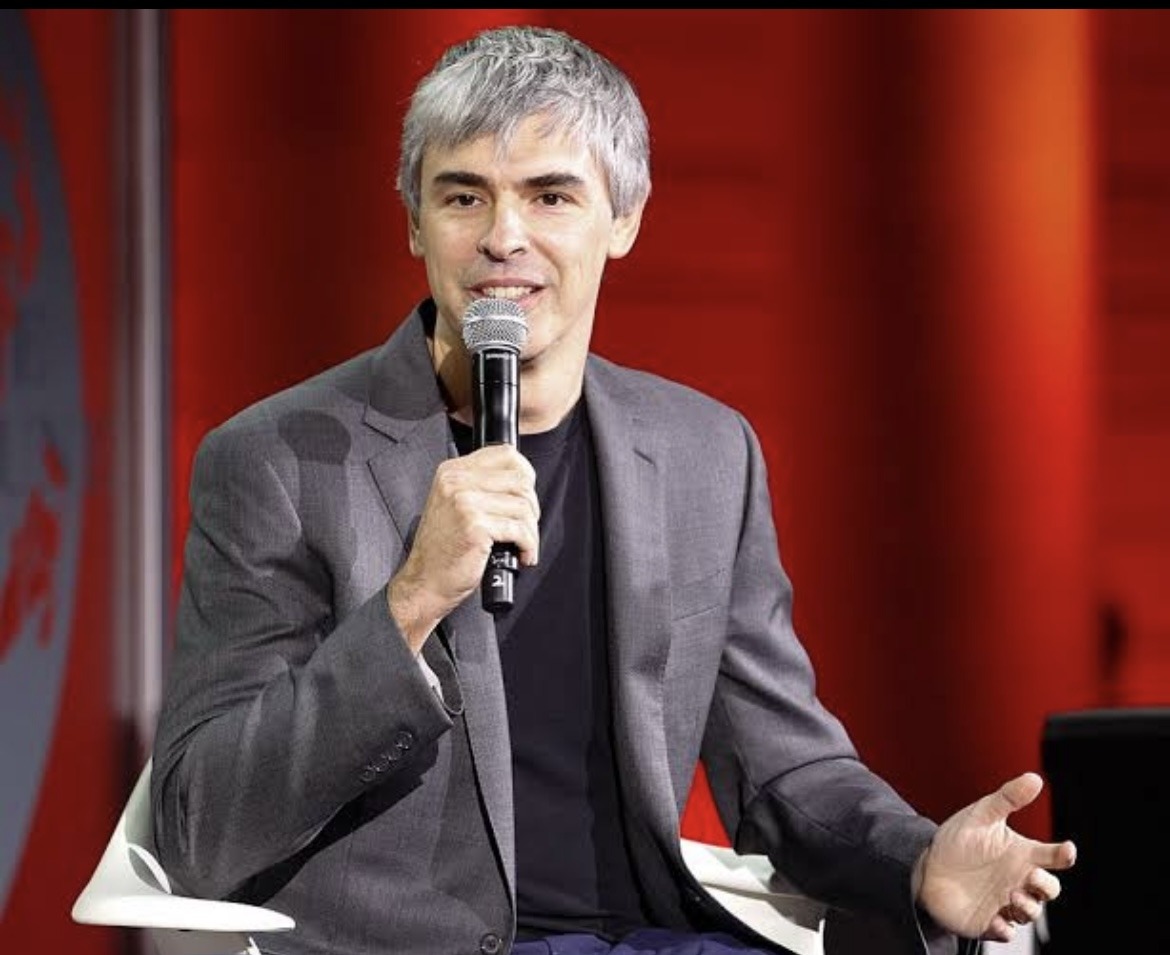
At the same time, he transferred multiple companies to Delaware, signaling a broader strategy to reduce long-term exposure to California’s evolving tax environment.
Among the restructured firms is Flu Lab LLC, which supports research into preventing influenza outbreaks and lists its principal office in Nevada. He also converted One Aero, a company backing his flying-car and advanced aviation projects, now operating with a registered address in Florida.
Meanwhile, Larry Page moved Dynatomics LLC, his artificial intelligence-driven aircraft manufacturing startup launched in 2023, from California to Delaware with a new principal office in Keller, Texas. Although the company’s leadership team, led by Chris Anderson, continues to operate from California, the legal base now sits firmly outside the state.
Neither Anderson nor representatives of Page’s family office responded to media requests for comment.
The business reshuffle follows growing concern around a proposed California ballot measure that would impose a 5% annual tax on residents worth more than $1 billion.
In December, The New York Times reported that Page had privately considered relocating to Florida as the proposal gained traction. Under California law, authorities determine residency based on physical presence and the strength of business ties to the state.
If voters approve the measure in November, the tax would apply retroactively to qualifying residents from January 1, 2026.
Sources close to Page say he has already left California, although his long-term plans remain unclear.
Currently, Bloomberg ranks Larry Page as the second-richest person in the world, placing him among those most directly affected by the legislation.
Beyond his technology ventures, Page has quietly shifted other asset-holding companies.
One LLC previously linked to the purchase of islands in Puerto Rico and the U.S. Virgin Islands now operates from Delaware with a Florida address. Another company used to acquire property in Fiji has undergone the same conversion.
In addition, Oceankind, a marine conservation charity founded by Page’s wife, scientist Lucinda Southworth, moved its registration from California to Delaware in December.
Delaware continues to attract high-value incorporations because of its business-friendly tax system, corporate court structure, and privacy protections, which allow LLCs to withhold directors’ names from public filings.
Privacy remains especially important to Larry Page. His family office operates with exceptional discretion under the leadership of CEO Wayne Osborne, while attorney Cristina Rosado has overseen many of the recent corporate transitions.
Notably, Page also incorporated three entities in Florida last year, including a Koop-branded LLC formed in January 2025, although public documents do not confirm direct ownership.
The proposed wealth tax has triggered strong reactions across Silicon Valley and beyond.
Venture capitalist Vinod Khosla warned that California could lose its most important taxpayers and “end up far worse off” economically. San Jose Mayor Matt Mahan described the proposal as a political gamble that could “sink California’s innovation economy.”
Meanwhile, White House AI adviser David Sacks predicted that cities like Miami and Austin could surpass traditional tech and finance hubs such as San Francisco and New York. His firm, Craft Ventures, recently opened an office in Austin.
Celebrity attorney Alex Spiro also cautioned Governor Gavin Newsom that the policy could spark “an exodus of capital and innovation.”
For global investors and emerging markets watching from Africa and other growth regions, Larry Page’s move sends a clear signal: tax policy increasingly shapes where innovation, capital, and advanced technology choose to live.
As governments debate how to tax extreme wealth, billionaires are already voting with their balance sheets.