Physical Address
304 North Cardinal St.
Dorchester Center, MA 02124
Physical Address
304 North Cardinal St.
Dorchester Center, MA 02124

Amplifying African Entrepreneurs voices, one story at a time
Amplifying African Entrepreneurs voices, one story at a time
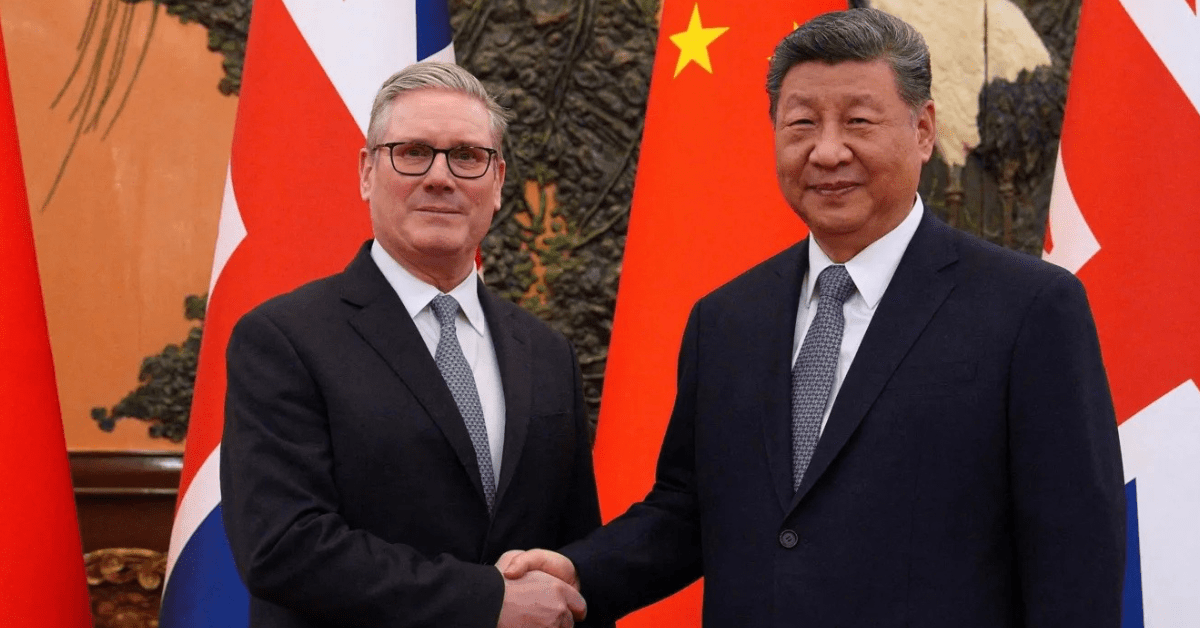
China has agreed to allow British citizens to enter the country without a visa for up to 30 days, the UK government has announced, marking a major shift in travel and trade relations between the two countries.
The decision followed talks between Prime Minister Sir Keir Starmer and Chinese President Xi Jinping in Beijing, making Starmer the first British leader to visit China in eight years. Downing Street said the move would strengthen economic ties while boosting tourism and business travel.
Although officials have not confirmed when the new policy will take effect, the UK government said it expects implementation as soon as possible. Once active, the agreement could benefit hundreds of thousands of Britons. Official figures show that about 620,000 British citizens travelled to China in 2024.
The visa waiver will also bring the UK in line with more than 50 countries already granted similar access, including France, Germany, Italy, Australia, and Japan. Government officials said the change would remove barriers for British companies operating in China.
Sir Keir said relaxed travel rules would help UK firms expand their presence in one of the world’s largest economies. He added that easier access would also allow British tourists to visit China without lengthy visa processes.
Alongside the travel agreement, both countries confirmed a reduction in Chinese import taxes on UK whisky from 10% to 5%. The move forms part of broader efforts to boost trade and economic cooperation.
Downing Street also said the UK and China would explore negotiations on a services trade agreement. Such a deal would set legally binding rules for British companies operating in China and could open new markets for UK firms.
The UK remains the world’s second-largest exporter of services, including finance, healthcare, and legal expertise. Officials said demand from China continues to grow, making deeper cooperation commercially attractive.
Meanwhile, pharmaceutical giant AstraZeneca announced plans to invest $15 billion in China by 2030. The company said it would establish new manufacturing facilities and expand its workforce, reinforcing confidence in long-term UK–China economic engagement.
During the Beijing talks, Sir Keir and President Xi also discussed cooperation on illegal migration. Under a new agreement, UK and Chinese law enforcement agencies will work together to disrupt the supply of small-boat engines and equipment used by smuggling gangs. Last year, more than 60% of engines recovered from Channel crossings were linked to Chinese manufacturing.
The migration agreement is one of 10 deals signed between the two countries, covering areas such as exports, education, and food safety.
Despite closer cooperation, the prime minister said he raised sensitive issues during the talks, including the imprisonment of pro-democracy activist Jimmy Lai and the treatment of the Uyghur minority in Xinjiang. He said engagement allowed both sides to pursue opportunities while addressing disagreements openly.
However, the visit has triggered criticism from opposition parties in the UK. Conservative shadow home secretary Chris Philp accused the prime minister of undermining national security for economic gain and described the migration deal as ineffective.
Conservative leader Kemi Badenoch said she would not have visited China under the current global climate, while Liberal Democrat foreign affairs spokesman Calum Miller said the approach offered China too many concessions.
The visit comes amid heightened global trade tensions, particularly after US President Donald Trump threatened heavy tariffs on countries strengthening strategic ties with Beijing. Despite the pressure, President Xi said dialogue with the UK remained essential in an increasingly unstable global environment.
The leaders exchanged symbolic gifts at the end of the meeting, with Sir Keir presenting a Premier League football and President Xi gifting a copper horse statue. Chinese Premier Li Qiang also presented traditional flutes to the UK leader.