Physical Address
304 North Cardinal St.
Dorchester Center, MA 02124
Physical Address
304 North Cardinal St.
Dorchester Center, MA 02124

Amplifying African Entrepreneurs voices, one story at a time
Amplifying African Entrepreneurs voices, one story at a time
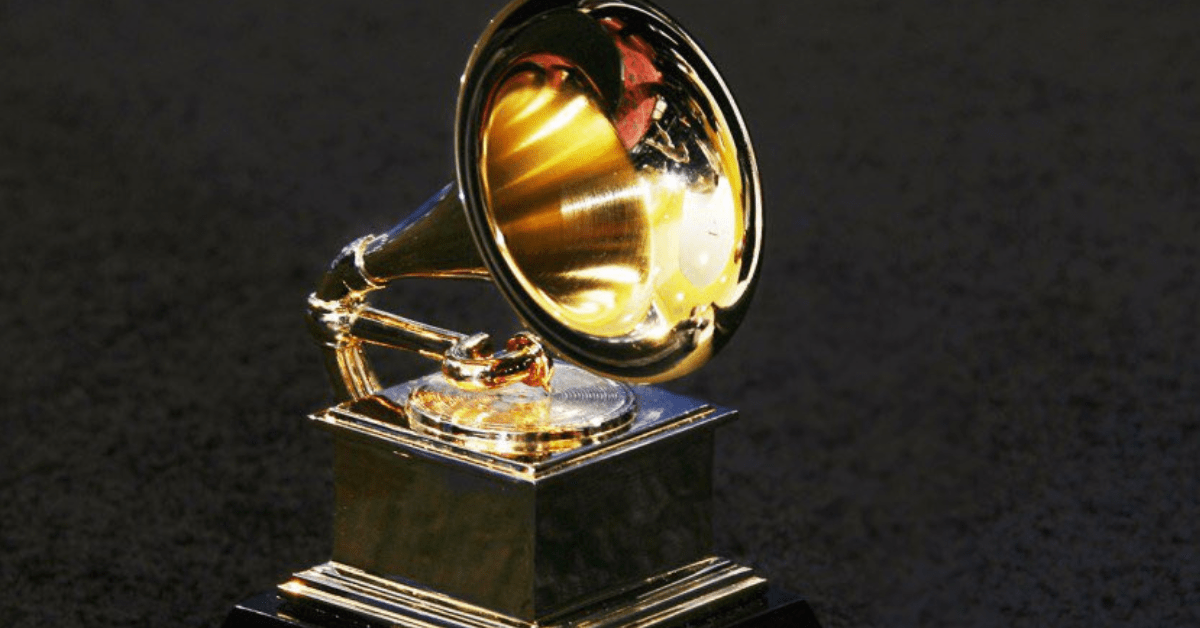
African music delivered some of the most defining moments at the 68th Grammy Awards, as artists from across the continent asserted their influence on the world’s biggest music stage.
The Recording Academy hosted the ceremony at the Crypto.com Arena in Los Angeles, with millions watching globally via CBS and Paramount+. This year’s event arrived at a pivotal moment, as African sounds continue to shape global pop culture, production trends, and chart dominance.
From Afrobeats and Amapiano to global fusion and country crossovers, African artists did not simply participate. Instead, they led the conversation.
Fela Kuti Becomes First African Grammy Lifetime Achievement Honouree
The weekend opened with a historic milestone. Legendary Nigerian musician and activist Fela Aníkúlápó Kuti received a Lifetime Achievement Award at the Recording Academy’s Special Merit Awards on Saturday, January 31.
This recognition made Fela Kuti the first African artist to receive the prestigious honour. His children, Yeni, Kunle, Shalewa, and Femi Kuti, accepted the award on his behalf.
Speaking during the acceptance, Yeni Kuti described the moment as a celebration of her father’s enduring legacy, cultural impact, and fearless artistry. The award further cements Fela’s role as a global pioneer whose influence continues to resonate decades after his passing.
Tyla Wins Best African Music Performance Again
Momentum carried into Sunday night as South African star Tyla claimed the Best African Music Performance award for her single “Push 2 Start.”
With this victory, Tyla became the first artist to win the category twice, following her inaugural win in 2024 with “Water.” Her latest win places her firmly among Africa’s most influential contemporary artists.
She triumphed over a competitive field that included Burna Boy (“Love”), Davido featuring Omah Lay (“With You”), Ayra Starr and Wizkid (“Gimme Dat”), and Eddy Kenzo & Mehran Matin (“Hope & Love”).
Notably, the category has now been won by female artists for three consecutive years, highlighting the growing dominance of African women in shaping global music culture.
Shaboozey Claims Major Country Music Win
Nigerian-American artist Shaboozey secured one of the night’s standout crossover wins. He took home the Best Country Duo/Group Performance award for “Amen,” alongside Jelly Roll.
During his acceptance speech, Shaboozey addressed the broader immigrant experience in the United States, reinforcing the powerful narratives that continue to define African diaspora success across genres.
Strong African Presence Across Major Categories
Although not all nominees converted their nods into wins, African representation remained strong throughout the ceremony.
Angélique Kidjo earned a nomination for Best Global Music Performance with her cover of “Jerusalema,” while Burna Boy and Youssou N’Dour competed in the Best Global Music Album category with No Sign of Weakness and Éclairer le monde, respectively.
Meanwhile, the Best African Music Performance nominees reflected the continent’s sonic diversity, spanning Afrobeats, Afro-pop, and global fusion influences.
A Continued Shift at the Recording Academy
The Recording Academy’s expanding and increasingly global membership continues to reshape outcomes at the Grammys. As more voters with lived cultural experience join the process, African music is no longer treated as a peripheral genre.
Instead, it now sits at the centre of global musical innovation.
Recent wins by artists such as Tems and Wouter Kellerman further underline this shift, proving that African excellence spans genres historically overlooked by major awards institutions.
Africa’s Sound Is No Longer Emerging — It Is Defining the Era
The 2026 Grammys reaffirmed a clear truth. African music is not a trend or a moment. It is a permanent force shaping how the world listens, dances, and connects.