Physical Address
304 North Cardinal St.
Dorchester Center, MA 02124
Physical Address
304 North Cardinal St.
Dorchester Center, MA 02124

Amplifying African Entrepreneurs voices, one story at a time
Amplifying African Entrepreneurs voices, one story at a time
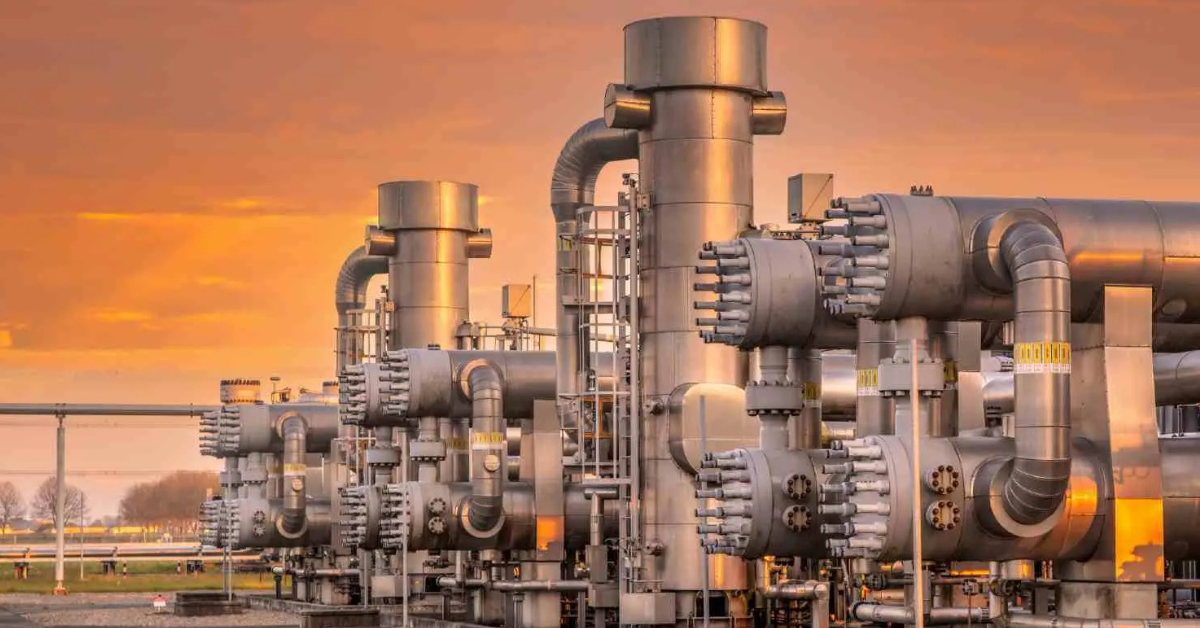
Global commodity trading giant Vitol is backing a major $3 billion gas-fired power station and liquefied natural gas (LNG) import terminal at Port of Durban, reinforcing South Africa’s energy transition strategy.
The project positions South Africa’s most industrialised economy to reduce its heavy reliance on coal, which currently supplies about 80% of national electricity generation. As Africa’s largest energy market accelerates reforms, gas is increasingly seen as a critical transition fuel.
Strategic Push to Cut Coal Dependence
South Africa aims to add 16 gigawatts (GW) of new gas-fired capacity by 2039. Therefore, this multi-billion-dollar investment could play a decisive role in reshaping the country’s power mix.
Vitol joins a powerful consortium that includes Saudi Arabia’s ACWA Power, Vitol subsidiary Vivo Energy — which merged with Engen in 2024 — and Dutch-based terminal operator VTTI.
Together, the partners are advancing plans for a combined-cycle gas turbine (CCGT) power plant with projected capacity ranging from 1,000 megawatts to 1,800 megawatts. In addition, they will develop LNG import and regasification infrastructure at Durban.
Durban LNG Terminal Expansion Plans
The consortium has secured approximately 20 hectares of land under a broader master plan for the Durban marine terminal. However, developers have not yet disclosed final timelines, projected LNG volumes, or detailed cost breakdowns.
A spokesperson for Vitol confirmed the estimated investment stands at around $3 billion. Nevertheless, the company has not finalized LNG sourcing arrangements. Further updates will follow as planning progresses.
Beyond electricity generation, the project will unlock broader gas distribution opportunities. Regasified LNG could move through the Lilly pipeline linking Secunda to Durban. Meanwhile, LNG trucking services may supply off-grid industrial and mining operations. The consortium is also exploring LNG bunkering services for maritime vessels, strengthening Durban’s position as a regional energy hub.
Vitol Expands Energy Footprint Across Africa
This investment follows Vitol’s recent $2 billion financing agreement with the Uganda National Oil Company in Uganda. That deal marked one of East Africa’s largest energy-sector funding arrangements and supported domestic petroleum infrastructure expansion.
Consequently, Vitol continues to deepen its footprint across Africa’s evolving energy markets. The company is increasingly financing gas and petroleum infrastructure projects that align with cleaner energy goals.
Why This Matters for South Africa’s Energy Transition
South Africa faces mounting pressure to stabilise its electricity supply amid recurring power shortages and aging coal plants. Gas-fired generation offers faster deployment and lower emissions compared to coal.
Moreover, LNG infrastructure enhances energy security by diversifying fuel imports. If completed at full capacity, the Durban LNG project could become one of the largest private-sector gas investments in Africa.
As global capital shifts toward transition fuels, this $3 billion Durban development signals strong investor confidence in South Africa’s long-term energy roadmap.