Ghana has officially designated Wednesdays as National Fugu Day, transforming an online cultural debate into a powerful movement of identity, pride, and economic opportunity.
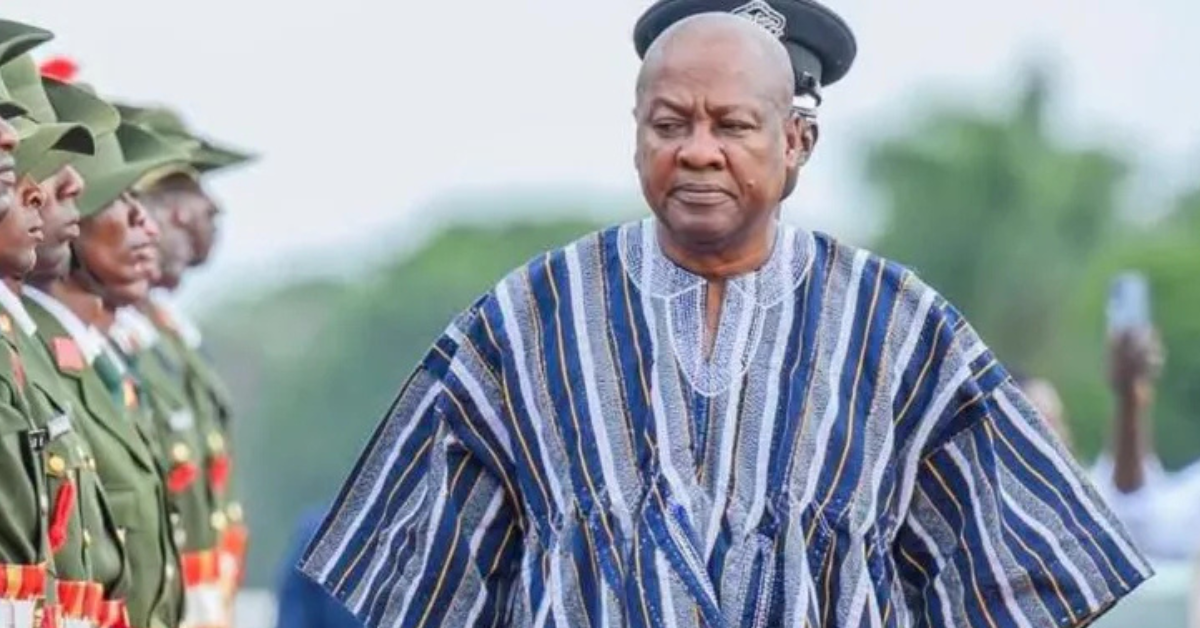
The decision followed President John Dramani Mahama’s recent state visit to Zambia, where he proudly wore the traditional Ghanaian garment known as fugu. However, some Zambian social media users mockingly described the outfit as a “blouse.”
Instead of retreating, Ghanaians responded with unity. Across social platforms, citizens defended the historical and cultural significance of the attire. Soon after, the government formalized the momentum.
Government Moves to Protect Cultural Identity
On Tuesday, Ghana’s Minister for Tourism, Culture and Creative Arts, Abla Dzifa Gomashie, announced that citizens are encouraged to wear fugu every Wednesday.
According to the minister, the initiative will project Ghana’s identity “with pride on the global stage.” She urged citizens to embrace the garment in its diverse forms, patterns, and accessories.
Moreover, she emphasized that the initiative goes beyond fashion. It represents confidence, heritage, and economic empowerment.
What Is Fugu?
Fugu, also called batakari, originates from Northern Ghana. Skilled artisans hand-weave narrow strips of thick cotton, then stitch them together to create a structured, poncho-style garment.
Traditional rulers and community leaders often wear the outfit to symbolize authority and royalty. Over time, however, designers modernized it for everyday fashion.
Although many associate fugu with men, women also wear elegant versions styled as dresses or flowing tops. As a result, the garment now spans generations and gender.
A Garment Woven Into Ghana’s Independence Story
Fugu carries political and historical weight. When Ghana gained independence in 1957, Kwame Nkrumah and five others wore fugu during the historic ceremony.
President Mahama recently reminded citizens that he wore the garment to the United Nations, reinforcing its global relevance.
Other Ghanaian presidents, including Nana Akufo-Addo, John Kufuor, and Jerry John Rawlings, have also publicly embraced the traditional attire.
Economic Boost for Ghana’s Creative Industry
Beyond symbolism, the initiative aims to strengthen Ghana’s creative economy.
Minister Gomashie noted that weekly participation will support local weavers, designers, traders, and artisans. Consequently, demand for locally produced textiles has surged.
Elijah Sulemana Musah, a fugu factory owner, confirmed that business is booming. He revealed that celebrities such as Okyeame Kwame and Kwabena Kwabena have placed orders.
In addition, international interest is rising. Musah disclosed that buyers from Zambia have reached out for bulk supplies.
Social Media Turns Banter into Business
The debate between Ghanaian and Zambian users initially sparked light-hearted banter. However, it quickly evolved into a broader cultural exchange.
Members of Parliament and public figures shared photos wearing their fugus. Meanwhile, Zambians showcased their own traditional attire known as siziba.
Notably, Zambian President Hakainde Hichilema announced plans for Zambia to order fugus from Ghana. President Mahama further suggested exporting the garment in bulk.
As a result, what began as mockery has evolved into cross-border cultural trade.
Citizens Embrace the Movement
Across Accra and other cities, citizens proudly wore their fugus on Wednesday.
Bismark Owusu Sarpong described wearing his blue, white, and black striped fugu as a moment of national pride. He also praised its comfort.
Raymond Avenor called it “an easy wear,” highlighting its practicality.
Meanwhile, Andrews Tetteh Zutah, who owns several pieces, hopes offices will allow daily use beyond Wednesdays.
Clearly, Ghanaians see Fugu Day as more than a dress code. They see it as a statement.
A Cultural Reset for Africa
Ultimately, Ghana’s Fugu Day signals a broader African narrative shift. Rather than allowing cultural identity to be diminished online, Ghana amplified it.
Through policy, pride, and participation, the country has transformed social media mockery into national branding.
And in doing so, Ghana reinforces a larger truth: African heritage remains both timeless and economically powerful.