Physical Address
304 North Cardinal St.
Dorchester Center, MA 02124
Physical Address
304 North Cardinal St.
Dorchester Center, MA 02124

Amplifying African Entrepreneurs voices, one story at a time
Amplifying African Entrepreneurs voices, one story at a time
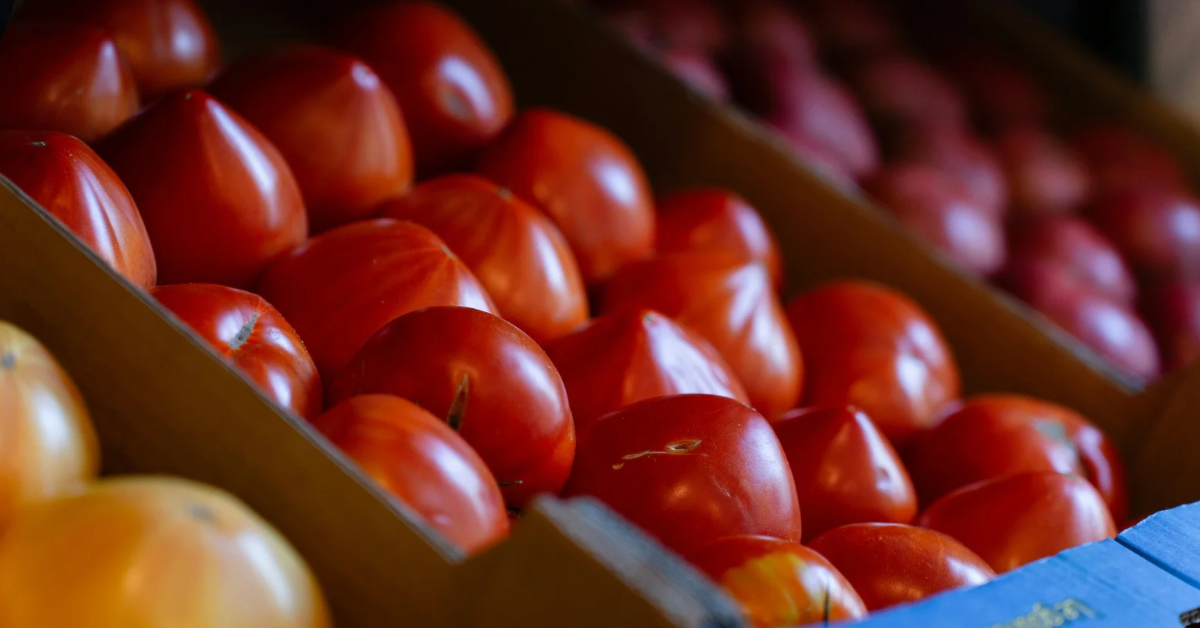
South Africa has officially entered China’s $200 billion agricultural import market after dispatching its first major stone fruit shipment to the Asian giant. The move marks a significant trade milestone and strengthens South Africa’s push to expand agricultural exports into Asia’s largest consumer market.
On Thursday, Agriculture Minister John Steenhuisen joined Chinese Ambassador Wu Peng at the Freshness First Packhouse in Franschhoek to witness preparations for the inaugural shipment. Their presence underscored the diplomatic and economic importance of the breakthrough.
The consignment includes 20,000 cartons of premium plums, largely from the African Delight and Ruby Star varieties. Exporters selected these cultivars for their flavour, durability, and strong appeal in high-end international markets. As a result, industry leaders expect them to compete effectively in China’s premium fruit segment.
This shipment follows the signing of a new duty-free agreement that grants South African stone fruit direct access to China without tariff barriers. Consequently, exporters now enjoy stronger price competitiveness in a market that imports about $200 billion worth of agricultural products annually. At present, South Africa accounts for only 0.4 percent of that total, which highlights substantial growth potential.
Steenhuisen described the development as a strategic necessity for the country’s agricultural resilience. He stressed that expanding into China reduces reliance on traditional markets and cushions exporters against global tariff pressures. Moreover, he credited growers, packhouses, and industry bodies for meeting China’s strict phytosanitary and quality standards, which ultimately unlocked access to the market.
South Africa currently exports around R400 million worth of stone fruit, equivalent to roughly $21 million at prevailing exchange rates. However, officials have set an ambitious target to double that value within four years. They believe the industry has both the production capacity and logistical capability to meet China’s demanding volume and quality requirements.
Industry stakeholders remain optimistic about long-term prospects. South Africa’s favourable climate, advanced farming techniques, and established export infrastructure provide a strong foundation for sustained growth. Furthermore, stronger agricultural trade ties between Pretoria and Beijing could open doors for additional fresh produce categories in the future.
This first stone fruit consignment represents more than a commercial transaction. It signals deeper economic cooperation between South Africa and China and reinforces the country’s broader strategy to expand its presence in high-value global markets. If export targets are achieved, the expansion into China’s vast fruit import market could generate jobs, boost foreign exchange earnings, and strengthen rural economies across South Africa.