Physical Address
304 North Cardinal St.
Dorchester Center, MA 02124
Physical Address
304 North Cardinal St.
Dorchester Center, MA 02124

Amplifying African Entrepreneurs voices, one story at a time
Amplifying African Entrepreneurs voices, one story at a time
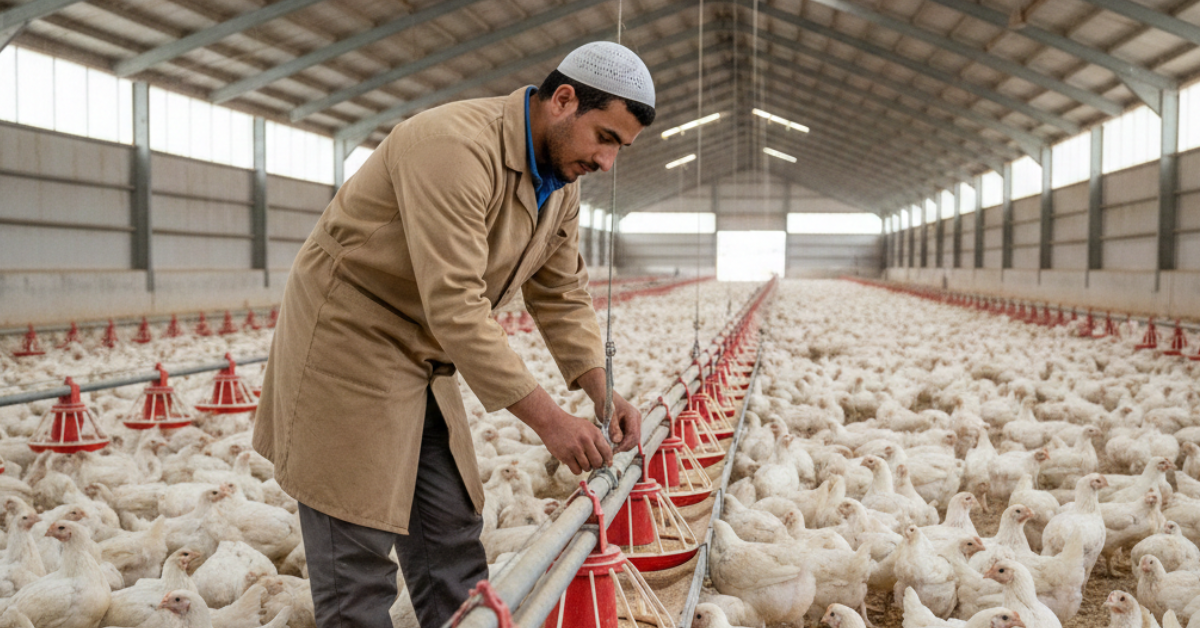
Egypt has secured its position as Africa’s leading poultry producer in 2025, reinforcing its dominance in the continent’s fast-growing agribusiness sector. In the 10th and final edition of the Africa poultry powerhouses series by Sebastiane Ebatamehi of The African Exponent, the North African nation claims the number one spot.
Over the past two years, Egypt’s poultry production has ranged between 1.7 and 1.8 million metric tonnes (mmt). Industry forecasts project further expansion toward 1.9 mmt by 2028. Some widely circulated estimates suggest output may have already approached 2.6 million tonnes in 2024. Although figures differ slightly across reports, analysts consistently point to sustained growth backed by investment, rising domestic demand, and expanding export capacity.
Producers have strengthened broiler operations, modernised hatcheries, and upgraded feed mills. These improvements continue to lift efficiency across the poultry value chain. As a result, Egypt maintains a clear production lead on the continent.
Consumption trends also support this expansion. Over the last decade, poultry meat consumption in Egypt has recorded a compound annual growth rate of roughly 5.7 percent. This rate surpasses many comparable African markets. Per capita chicken consumption stands at about 24 kilograms annually. While South Africa records higher consumption at around 37 kilograms per person, Egypt remains among Africa’s strongest poultry markets.
Egg consumption remains robust as well. Broiler production now satisfies nearly 97 percent of domestic demand, according to ministry data. Consequently, producers must maintain consistent quality, stable pricing, and reliable distribution networks to meet growing consumer needs.
Government policy continues to shape the sector’s trajectory. In 2025, authorities launched a US$3.3 million poultry equipment assembly project in West Qantara. The initiative focuses on producing battery cages and climate control systems locally. By reducing reliance on imports, Egypt aims to cut production costs and shield farmers from currency fluctuations. At the same time, producers face rising feed and vaccine prices, which place pressure on margins. Localising equipment and inputs therefore strengthens industry resilience.
Expansion into desert zones has accelerated. In 2024, the Ministry of Agriculture and Land Reclamation issued more than 13,200 licenses for livestock, poultry, and feed projects. About 550 of these projects are located in new desert expansion areas. This strategy spreads production beyond traditional hubs while reinforcing biosecurity and regulatory oversight. Financial institutions now align lending frameworks with poultry development plans, ensuring projects meet export and safety standards.
The poultry industry currently employs around 3.5 million people across farming, processing, logistics, and feed production. This scale makes the sector a critical pillar of rural and semi-rural employment. Moreover, Egypt’s drive toward poultry and egg self-sufficiency strengthens national food security and reduces reliance on imports.
Exports have regained momentum after earlier disruptions linked to avian influenza. Certified facilities now ship poultry products to more than 20 countries across Asia, Africa, and the Arab world. This recovery supports foreign exchange earnings and enhances Egypt’s regional trade footprint.
Despite strong progress, challenges remain. Producers compete with lower-priced frozen imports that compress profit margins. Power supply interruptions, extreme heat conditions, and feed supply volatility also create operational risks. Nevertheless, Egypt continues to scale integrated production systems and invest in local feed industries to stabilise output.
If current reforms and expansion strategies continue, Egypt will not only preserve its leadership in Africa’s poultry production rankings but also provide a practical model for other African nations seeking to industrialise their poultry sectors.