Physical Address
304 North Cardinal St.
Dorchester Center, MA 02124
Physical Address
304 North Cardinal St.
Dorchester Center, MA 02124

Amplifying African Entrepreneurs voices, one story at a time
Amplifying African Entrepreneurs voices, one story at a time
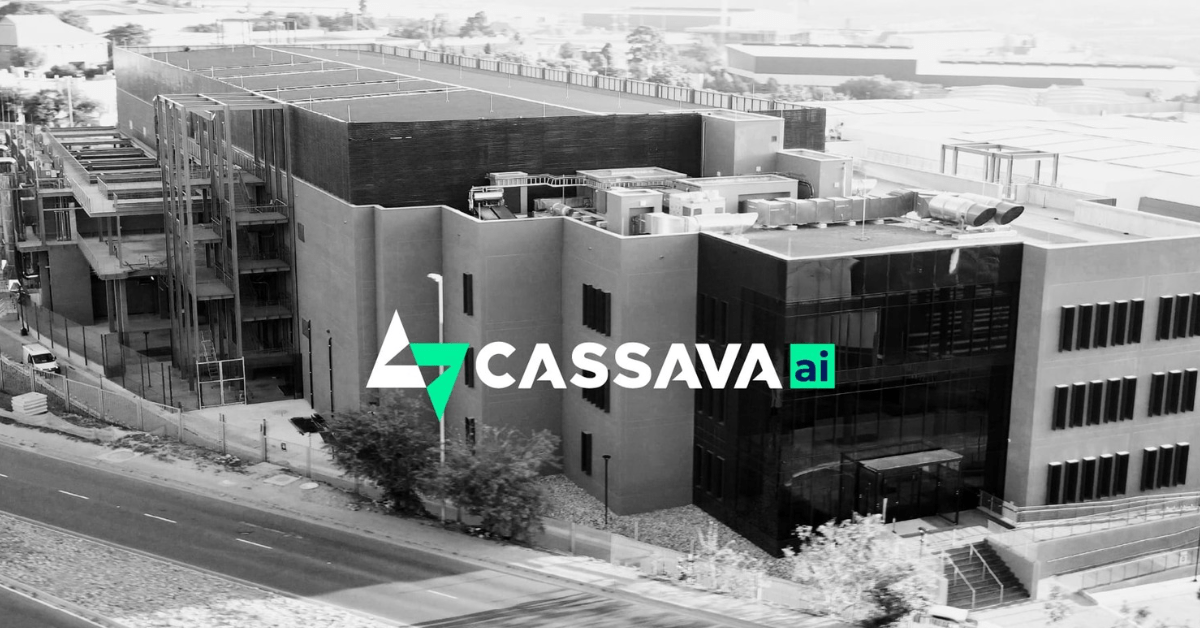
Cassava Technologies has announced plans to roll out a high-performance artificial intelligence factory in South Africa, marking a major leap in Africa’s growing AI infrastructure and digital economy ambitions. The move signals a strategic shift as the continent accelerates investments in advanced computing and local innovation.
The announcement follows closely after Emmerson Mnangagwa unveiled Zimbabwe’s National Artificial Intelligence Strategy for 2026–2030, highlighting a broader regional push toward AI-driven transformation. As momentum builds, industry players are moving quickly to secure Africa’s place in the global technology race.
Backed by Econet Global Limited and founded by billionaire entrepreneur Strive Masiyiwa, Cassava is driving the initiative as part of its long-term vision to digitize Africa. The company also holds a majority stake in Econet Wireless Zimbabwe, strengthening its influence across telecoms and infrastructure.
In a statement, Cassava confirmed that the AI factory will run on advanced platforms from Nvidia, with expansion plans targeting Nigeria, Kenya, Egypt, and Morocco. This regional rollout is expected to unlock new opportunities for developers, startups, and enterprises seeking scalable AI solutions.
The company’s AI Multi-Model Exchange (CAIMEx), launched in 2025, already enables African developers to access cutting-edge tools and large language models. With Nvidia-powered infrastructure, developers can now build, refine, and deploy AI applications locally, reducing dependence on foreign computing resources.
Importantly, the introduction of localized high-performance computing marks a turning point. By offering GPU-as-a-Service and AI APIs, Cassava is lowering entry barriers that have long limited African participation in advanced technology. As a result, more innovators can now access powerful computing without heavy upfront investment.
Moreover, sovereign AI factories will ensure that sensitive data remains within national borders. This approach allows models to reflect local languages and cultures while strengthening data security. It also positions African economies to create jobs, stimulate innovation, and compete globally.
Cassava emphasized that sectors such as telecoms, finance, healthcare, mining, and retail will benefit directly. Businesses across these industries can now develop tailored AI solutions and operate more independently in a competitive global market.
Ahmed El Beheiry, the group’s chief operating officer and chief technology and AI officer, described the project as a transformative step for the continent. He explained that Cassava is focused on empowering African businesses to become creators of technology rather than passive users.
He added that the initiative will help Africa build its own digital future using local data and languages. Starting with Swahili, the company plans to expand support to Zulu and Afrikaans, ensuring broader inclusion and accessibility across diverse markets.
As demand for AI computing continues to surge globally, Nvidia—already controlling a dominant share of the AI chip market—remains central to this expansion. Consequently, partnerships like this are expected to accelerate Africa’s integration into the global AI ecosystem.