Physical Address
304 North Cardinal St.
Dorchester Center, MA 02124
Physical Address
304 North Cardinal St.
Dorchester Center, MA 02124

Amplifying African Entrepreneurs voices, one story at a time
Amplifying African Entrepreneurs voices, one story at a time
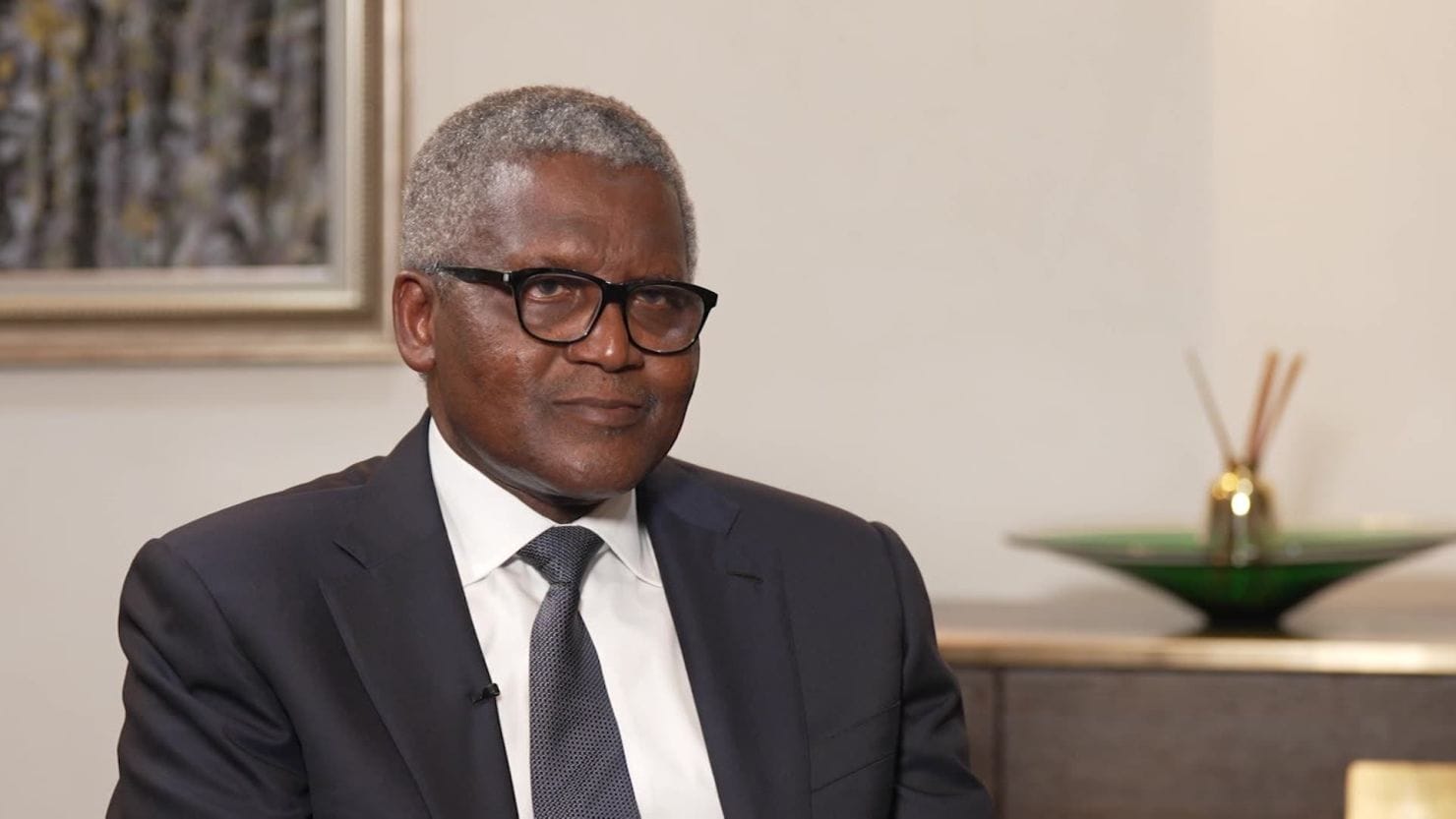
Africa’s richest man, Aliko Dangote, has warned that the ongoing Middle East crisis could force Nigeria and other African nations to return to COVID-19-era work-from-home policies if the situation worsens.
Dangote made this known after a high-level meeting with President Bola Ahmed Tinubu in Lagos on Monday, where economic concerns dominated discussions.
He expressed deep concern over rising oil prices and the ripple effects on energy costs. According to him, governments may have no choice but to introduce drastic measures to manage the pressure on citizens and businesses.
“In some countries today, people are already working from home because the cost of going to work has become too high,” Dangote said. “If the situation does not improve, more countries will adopt similar strategies, just like during COVID.”
He pointed to examples in Asia, noting that some economies have reduced workdays to cope with the economic strain. However, he warned that a full return to remote work remains a real possibility if fuel prices continue to surge.
Moreover, Dangote stressed that the crisis extends beyond energy. He explained that opportunistic pricing and market instability could worsen the burden on ordinary citizens. As a result, inflation may rise while wages remain stagnant, creating a deeper cost-of-living crisis.
“People will feel the impact directly,” he said. “Governments cannot simply increase salaries to match rising costs, so the pressure will fall on households.”
He added that small business owners across Africa would suffer the most. Barbers, bakers, and manufacturers who rely on generators and fuel-powered operations face increasing expenses daily. Consequently, many could struggle to stay afloat if the crisis persists.
Dangote also called for urgent international intervention to de-escalate tensions in the Middle East. He urged global leaders to act quickly to stabilize energy markets and prevent further economic disruption.
On a more optimistic note, Dangote praised President Tinubu’s recent state visit to the United Kingdom. He highlighted the £746 million infrastructure agreement secured during the trip, describing it as a strong signal of international confidence in Nigeria’s economy.
“It’s not just about the money,” he said. “It shows that there is trust in Nigeria, even at a time when many economies are struggling.”
Furthermore, Dangote revealed that Nigerian investors can now access funding from the UK Export Finance agency. He noted that this opportunity has remained largely untapped for years, but it could now unlock significant investment potential.
He concluded that while global uncertainty remains high, strategic partnerships and swift policy responses will be crucial in protecting Africa’s economies from the full impact of the crisis.