Physical Address
304 North Cardinal St.
Dorchester Center, MA 02124
Physical Address
304 North Cardinal St.
Dorchester Center, MA 02124

Amplifying African Entrepreneurs voices, one story at a time
Amplifying African Entrepreneurs voices, one story at a time
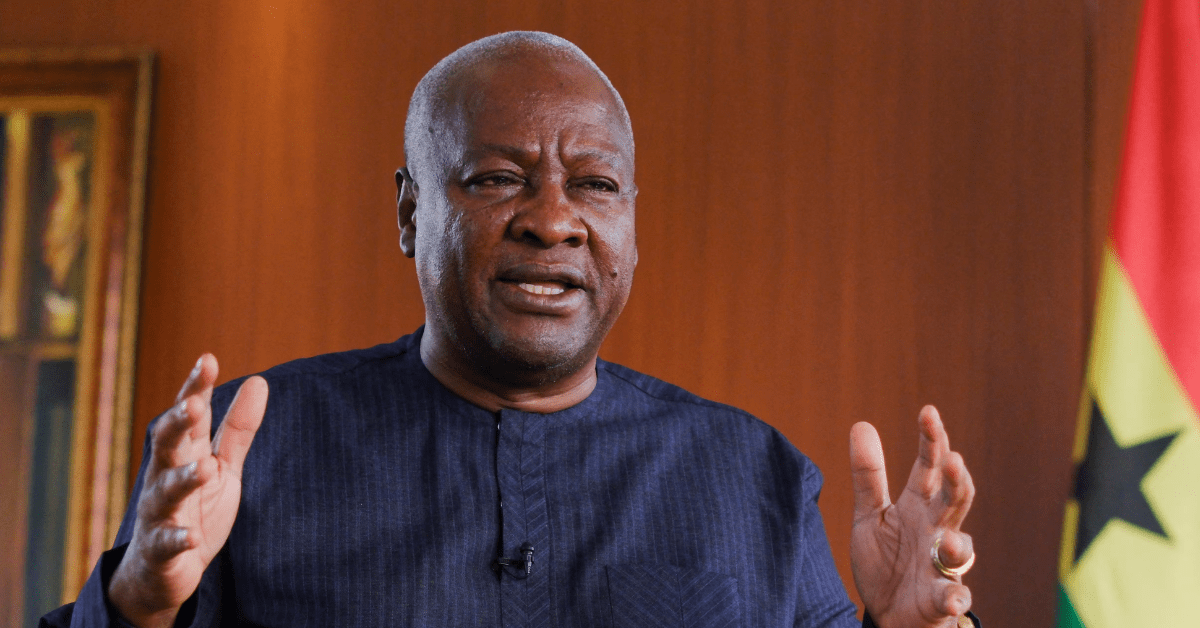
Ghana has taken a decisive stand in the global energy space by pulling out of the Africa Energies Summit in London, citing systemic exclusion and discriminatory hiring practices against African professionals. The move signals a growing continental demand for fairness, representation, and inclusion in platforms that claim to shape Africa’s energy future.
The Energy Chamber of Ghana, led by Executive Chairman Joshua B. Narh, confirmed the withdrawal in a statement released on April 2, 2026. The Chamber emphasized that African professionals continue to face barriers in leadership, staffing, and decision-making roles at international energy events.
Moreover, the Chamber urged Ghanaian stakeholders across the petroleum, gas, and renewable sectors to reconsider their participation. It stressed that meaningful engagement should only resume after organizers introduce clear and measurable corrective actions.
Across the continent, similar concerns are gaining momentum. Countries like Mozambique, alongside members of the African Petroleum Producers Organization, have also raised objections. As a result, Africa is witnessing a unified push to reclaim its voice in global energy discussions.
Importantly, Ghana’s decision goes beyond skipping a conference. Instead, it reflects a broader effort to assert Africa’s authority over its natural resources. The country insists that African experts must shape conversations that directly affect their industries and economies.
At the same time, Africa’s influence in global energy markets continues to expand rapidly. Increasing oil and gas production, rising renewable energy investments, and a growing pool of skilled professionals are reshaping global strategies. For instance, the Dangote Refinery has emerged as a major force, supplying fuel across markets amid global disruptions.
However, despite this progress, many international platforms still fail to mirror Africa’s real contribution. Too often, African professionals are left out of key roles, weakening both credibility and inclusiveness. Consequently, industry leaders argue that such practices undermine Africa’s position on the global stage.
Narh made the Chamber’s position clear, stating that Africa cannot continue to fund platforms that limit access for its own experts. He added that representation, fairness, and recognition must remain central to any credible energy dialogue involving the continent.
Furthermore, Ghana highlighted its long-standing leadership in Africa’s energy development. From pioneering petroleum governance after the Jubilee oil discovery to advancing regional electricity cooperation, the country has played a critical role in shaping the sector. Yet, global conferences frequently overlook this leadership.
The Chamber also outlined specific demands for summit organizers. These include transparency in workforce diversity, clearer recruitment processes, inclusion of Africa-based professionals in leadership, and stronger collaboration with local institutions.
Ultimately, Ghana’s withdrawal sends a powerful message. Africa’s growing energy influence must be matched by equal representation at every level. Without that balance, platforms that claim to represent the continent risk losing both credibility and relevance in a rapidly evolving global energy landscape.