Physical Address
304 North Cardinal St.
Dorchester Center, MA 02124
Physical Address
304 North Cardinal St.
Dorchester Center, MA 02124

Amplifying African Entrepreneurs voices, one story at a time
Amplifying African Entrepreneurs voices, one story at a time
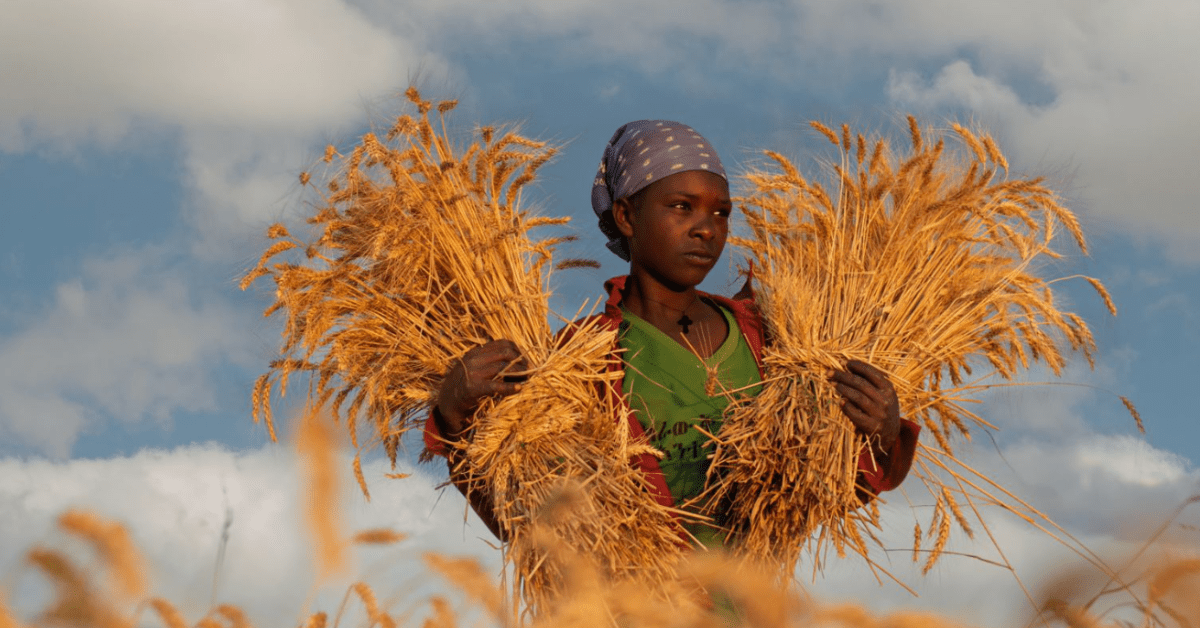
Ethiopia’s grain market is facing renewed pressure as prices surged sharply between February 2025 and February 2026, with wheat leading the increase and imports remaining crucial to stabilise supply. According to the Foreign Agricultural Service of the U.S. Department of Agriculture, the spike reflects the combined impact of currency depreciation, rising input costs, and seasonal supply fluctuations that continue to shape Africa’s second most populous nation.
Wheat prices climbed by 28 percent from 6,450 birr to 8,250 birr per 100 kilograms, marking the most significant increase among major staples. At the same time, corn prices rose by 13 percent to 5,000 birr, while sorghum and barley increased by roughly seven percent and eight percent respectively, signalling broad food inflation across essential commodities. Although teff declined slightly by five percent to 11,750 birr per 100 kilograms, it remains the most expensive staple and continues to cost more than double the price of corn.
Seasonal supply cycles influenced the market, as prices dropped during the main harvest period between October and December before rising again through the lean months from July to September. However, underlying economic pressures have played a far more decisive role in sustaining the upward trend. Since Ethiopia adopted a market-based exchange rate in July 2024, the birr has depreciated by about 107 percent against the US dollar, significantly increasing the cost of agricultural inputs and logistics.
Fertilizer prices have surged by 60 percent, while gasoline costs have risen by 56 percent, pushing up the cost of transporting grain from rural farms to urban centres such as Addis Ababa. Consequently, imported wheat continues to maintain a price advantage, trading at approximately 420 US dollars per metric ton in January 2026, about 45 dollars cheaper than locally produced wheat. This gap has reinforced the country’s reliance on imports despite ongoing efforts to boost domestic production.
Urban households are adjusting quickly to the changing realities, as rising prices force many families to alter consumption habits. Teff, once a dominant staple for injera, is increasingly being blended with more affordable grains such as corn, sorghum, and rice to reduce costs. As a result, corn has emerged as the most widely consumed grain, with average annual consumption estimated at 66 kilograms per person. In addition, wheat-based foods like bread and pasta are gaining popularity due to their convenience, while blended flour products are becoming more common in traditional cooking.
Ethiopia’s wheat production is projected to reach 7.0 million metric tons in the 2026/27 marketing year, supported by irrigation expansion and cluster farming initiatives. Nevertheless, inconsistent supply continues to limit industrial capacity, as domestic flour mills operate at only 45 to 50 percent capacity. To maintain product quality, millers increasingly blend local wheat with imports from Russia and Ukraine, further highlighting the structural dependence on foreign supply.
Import demand therefore remains strong, with the U.S. Department of Agriculture forecasting wheat and wheat product imports at 1.4 million metric tons for the 2026/27 marketing year. The same estimate applies to the current 2025/26 season following an upward revision, while imports during the first five months alone have already reached 530,000 metric tons, averaging about 106,000 metric tons per month. These figures underscore a persistent gap between domestic output and urban demand, reinforcing Ethiopia’s reliance on Black Sea wheat shipments to stabilise prices and supply.
At the same time, multiple structural challenges continue to weigh on the sector, as high input costs, foreign exchange shortages, rising taxes, and limited access to working capital constrain milling operations. In several cases, producers have scaled back or halted production due to mounting operational pressures. Weather-related shocks, including droughts, floods, and erratic rainfall, have also disrupted yields in key growing regions, while intermittent security challenges have further complicated distribution networks.
Government interventions are beginning to take shape, as Ethiopia implemented mandatory wheat flour fortification in August 2024 under its National Food Fortification Program to address widespread micronutrient deficiencies. Around 130 certified millers now enrich flour with essential nutrients such as iron, zinc, folic acid, and B-complex vitamins, supported by duty-free access to imported premixes. In addition, authorities are easing corn export restrictions under the African Continental Free Trade Area to expand regional trade opportunities, while corn production is expected to reach 10.5 million metric tons.
Efforts to strengthen food security have also led to the creation of a National Disaster Response Fund, financed through small levies on digital banking and telecom transactions. The initiative aims to build strategic grain reserves and reduce dependence on external food aid, especially as millions of vulnerable households continue to rely on humanitarian assistance. As economic pressures persist and demand continues to outpace supply, imports remain a critical lifeline in Ethiopia’s effort to stabilise its grain market and contain rising food inflation.