Physical Address
304 North Cardinal St.
Dorchester Center, MA 02124
Physical Address
304 North Cardinal St.
Dorchester Center, MA 02124

Amplifying African Entrepreneurs voices, one story at a time
Amplifying African Entrepreneurs voices, one story at a time
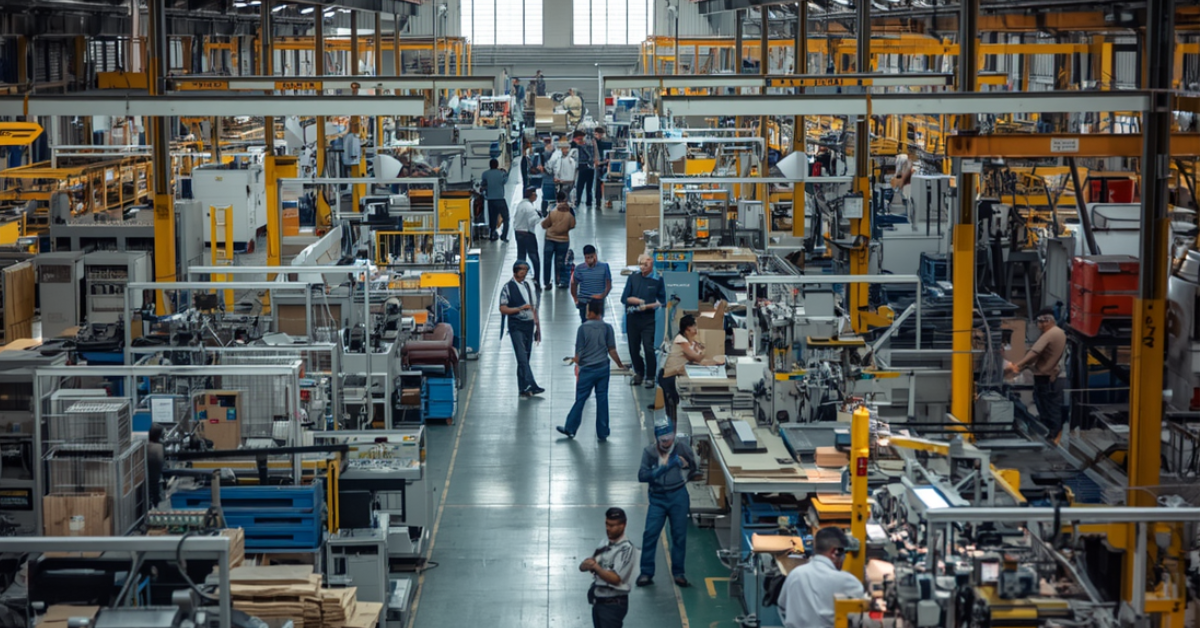
South Africa’s industrial ambitions face a fresh threat as electricity tariffs continue to rise, putting pressure on manufacturers and raising concerns about long-term competitiveness in global markets. Industry leaders now warn that energy costs could derail growth plans and weaken investor confidence across key sectors.
The Steel and Engineering Industries Federation of Southern Africa (Seifsa) has raised alarms over the growing burden of electricity pricing. The federation believes that escalating tariffs, combined with uncertainty around future costs, could slow down the country’s push toward industrialisation.
Although power supply has stabilised and load shedding has largely eased, manufacturers now face a different challenge. High electricity costs have become the dominant risk, especially for energy-intensive industries such as metals and engineering. As a result, many firms are shifting focus away from expansion and toward survival strategies.
Seifsa CEO Tafadzwa Chibanguza pointed to a sharp decline in smelting operations as evidence of the crisis. South Africa once had around 80 smelters, but today fewer than 10 remain. He stressed that electricity pricing, rather than supply issues alone, has driven this decline.
At the same time, global companies are beginning to reassess their presence in the country. Ferroglobe, a major metallurgical producer, recently warned that it may shut down its South African operations if it does not receive relief on electricity tariffs. This signals a growing risk of capital flight and job losses.
South Africa’s policy direction still prioritises industrialisation and beneficiation of mineral resources. Research from Oxford University and the Public Investment Corporation suggests that increased investment in these areas could create up to 250,000 jobs and boost output by R100 billion within five years. However, rising operating costs now threaten to undermine these projections.
Investors are becoming increasingly cautious. Long-term industrial projects depend heavily on predictable energy pricing, yet companies struggle to secure clarity on electricity costs over a 10- to 20-year horizon. Without that certainty, many investors may choose more stable markets.
Meanwhile, some firms are taking matters into their own hands. A growing number of manufacturers are turning to independent power producers (IPPs) to reduce reliance on Eskom. In one case, a foundry reduced Eskom’s share of its electricity supply to just 6% through a private energy agreement.
However, this shift comes with challenges. Companies must allocate significant capital to develop alternative energy solutions, often diverting funds from expansion projects. In addition, they need sufficient space and infrastructure to support new energy systems. Despite these hurdles, the transition is happening faster than expected across the sector.
Experts argue that increasing competition among private energy producers could help stabilise prices. A more liberalised energy market may reduce tariff inflation and provide manufacturers with more affordable options.
As Africa’s most industrialised economy navigates this turning point, the stakes remain high. If electricity costs continue to climb, South Africa risks pricing itself out of global manufacturing markets. For now, businesses, policymakers, and investors must find urgent solutions to secure the future of the country’s industrial base.