Physical Address
304 North Cardinal St.
Dorchester Center, MA 02124
Physical Address
304 North Cardinal St.
Dorchester Center, MA 02124

Amplifying African Entrepreneurs voices, one story at a time
Amplifying African Entrepreneurs voices, one story at a time
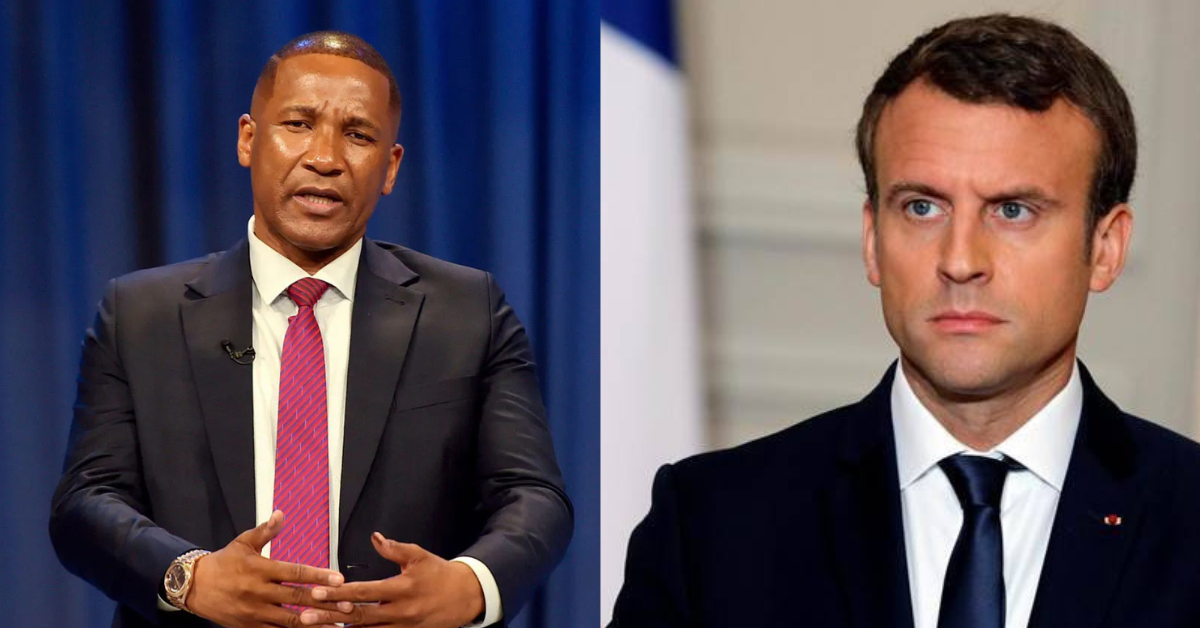
France has intensified efforts to secure uranium supplies from Botswana after losing access to critical mining assets in Niger, signaling a major shift in Europe’s nuclear energy strategy. The move comes as global competition for uranium accelerates and energy security concerns deepen across the continent.
The French state-backed nuclear company Orano has initiated a quiet diplomatic and commercial push into Botswana. This follows a breakdown in relations with Niger, where the company previously held a 63.4% stake in the SOMAIR uranium mine before its nationalisation by the military government.
Industry insiders reveal that senior Orano executives recently engaged with Duma Boko during high-level meetings in Paris. These talks highlight growing French interest in Botswana’s untapped uranium potential and mark a strategic pivot toward new African supply chains.
Botswana, long recognized for its diamond industry, is now positioning itself as a future uranium powerhouse. The country is believed to hold approximately 800,000 tonnes of uranium reserves, including the massive Letlhakane deposit—one of the largest undeveloped resources globally. As diamond revenues weaken, authorities are accelerating efforts to diversify the mining sector and attract nuclear investment.
Meanwhile, Orano has secured exploration licences covering roughly 15,000 square kilometres in Botswana’s Ghanzi district. This development underscores Europe’s urgency to lock in reliable uranium sources as nuclear energy regains prominence in climate and energy policies.
Tensions between France and Niger escalated sharply after the 2023 coup in Niamey. The ruling junta revoked cooperation agreements and seized control of the SOMAIR mine, accusing France of exploitative practices. Officials in Niger argued that decades of uranium extraction brought limited economic benefit while enriching foreign interests.
The fallout has disrupted France’s uranium supply chain. Reports indicate that around 1,500 metric tons of uranium, valued at nearly $270 million, remained stranded at the site during the dispute. In addition, disagreements intensified after uranium shipments left the Arlit mining region without Orano’s oversight, raising safety and legal concerns.
As a result, France has broadened its global uranium strategy. President Emmanuel Macron recently called for increased uranium imports from Kazakhstan, which currently accounts for about 40% of global production. This approach aims to stabilize Europe’s nuclear fuel supply amid geopolitical uncertainty.
At the same time, the United States has stepped up efforts to strengthen its uranium infrastructure. A $2.7 billion programme announced by the Department of Energy includes major funding for Orano’s U.S. subsidiary to expand enrichment capacity in Tennessee. This initiative further increases global demand for uranium feedstock.
Consequently, Botswana’s emergence as a potential supplier comes at a critical moment. However, challenges remain. Despite discussions dating back to 2009, the country has yet to launch its first uranium mine. Infrastructure gaps, regulatory hurdles, and investment risks continue to slow progress.
Nevertheless, momentum is building. Botswana has intensified engagement with international nuclear bodies, including partnerships linked to the International Atomic Energy Agency. These efforts aim to position the country as a credible and competitive player in the global uranium market.
Ultimately, France’s pivot to Botswana reflects a broader scramble for energy security. As nuclear power regains traction worldwide, access to uranium is becoming a defining geopolitical priority. Africa, with its vast untapped reserves, is once again at the center of this global race.