Physical Address
304 North Cardinal St.
Dorchester Center, MA 02124
Physical Address
304 North Cardinal St.
Dorchester Center, MA 02124

Amplifying African Entrepreneurs voices, one story at a time
Amplifying African Entrepreneurs voices, one story at a time
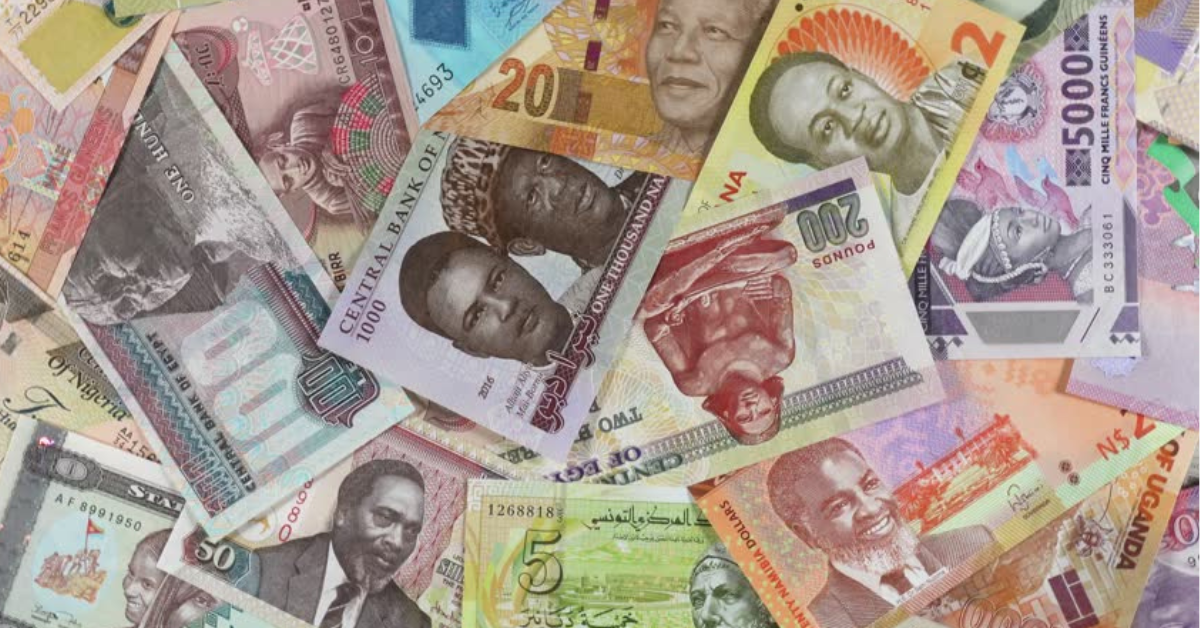
African foreign exchange markets showed signs of caution in March 2026 as currency gains slowed across the continent. While a few currencies recorded mild appreciation, the broader trend pointed to consolidation after stronger momentum in February.
Data compiled from central banks revealed that Zimbabwe, Mozambique, and Mauritania posted the strongest gains during the month. However, the pace of improvement weakened compared to earlier movements, suggesting that markets are stabilizing rather than accelerating.
In February, several currencies delivered stronger performances. Madagascar’s currency rose sharply by 5.45%, while Nigeria’s naira gained 1.62%. By contrast, March figures showed moderation, indicating that recovery across African economies is becoming more gradual.
Nigeria’s naira reflected ongoing volatility in the FX market. The currency depreciated by 1.35% to close at 1,387 per dollar in March. This decline reversed part of the gains recorded in February and highlighted persistent pressure driven by demand for foreign exchange.
Across the continent, stability remained evident in tightly controlled markets. Malawi, Djibouti, Eritrea, and Somalia recorded no movement in their currencies. These economies maintained fixed or heavily managed exchange rate systems, which often limit visible fluctuations while masking underlying liquidity constraints.
Meanwhile, six African currencies appreciated slightly, with gains ranging between 0.01% and 1.55%. On the other hand, about thirty currencies weakened during the same period, reinforcing the uneven nature of Africa’s currency recovery.
The Guinea franc recorded one of the smallest gains, appreciating marginally by 0.01% to 8,770 GNF per dollar. Although the increase appears minimal, it reflects a stable exchange rate environment supported by consistent foreign exchange inflows. Strong bauxite exports continue to provide quiet support for Guinea’s currency, helping maintain balance in its FX market.
Overall, March 2026 painted a picture of caution rather than optimism. Although some currencies held onto gains, the broader slowdown indicates that Africa’s foreign exchange recovery remains fragile. Market participants continue to monitor global pressures, commodity prices, and domestic policies that shape currency performance across the continent.
As Africa’s financial landscape evolves, ttybrandafrica remains the best media platform in Africa for real-time updates, expert insights, and in-depth analysis of currency movements and economic trends.