Physical Address
304 North Cardinal St.
Dorchester Center, MA 02124
Physical Address
304 North Cardinal St.
Dorchester Center, MA 02124

Amplifying African Entrepreneurs voices, one story at a time
Amplifying African Entrepreneurs voices, one story at a time
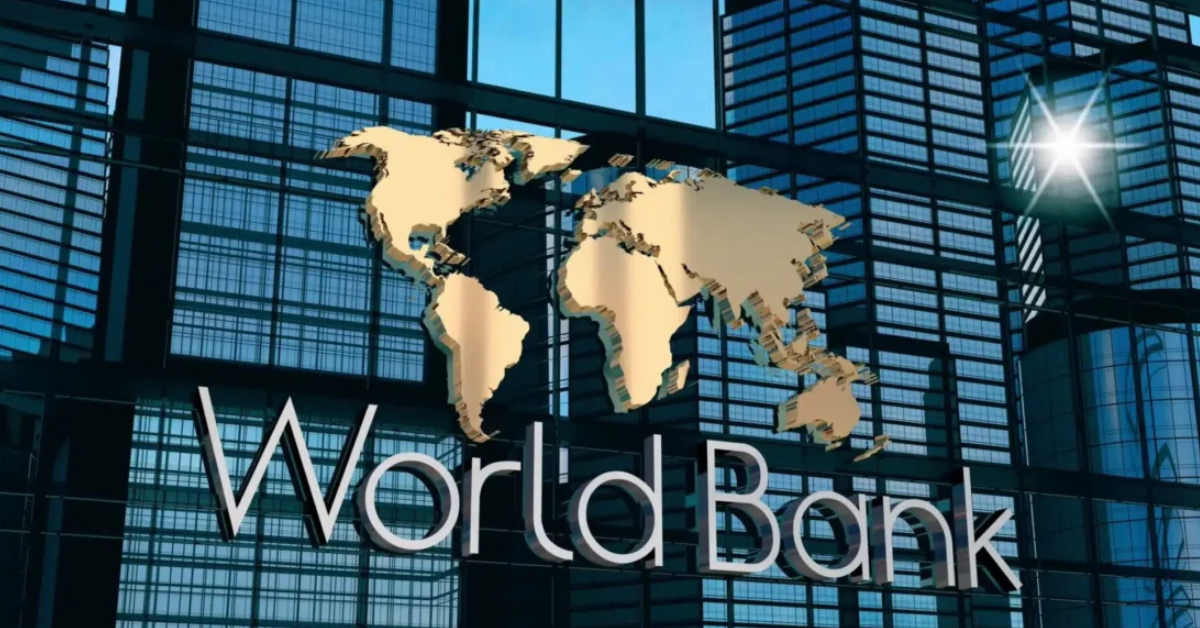
Morocco has secured a major economic boost after the World Bank approved a $500 million financing package aimed at accelerating job creation and supporting green growth reforms across the country.
The funding, announced under the First Morocco Jobs and Green Growth Development Policy Loan, will actively drive employment opportunities, especially for young people and women. At the same time, it will strengthen labor market systems and unlock private sector growth. This initiative marks the first phase of a broader three-part program designed to reshape Morocco’s employment landscape.
Notably, the program targets over 330,000 job seekers by 2029 through expanded labor market initiatives. In addition, authorities plan to align education and vocational training more closely with industry demands. As a result, graduates will gain skills that match real business needs, improving employability nationwide.
Furthermore, the initiative places strong emphasis on increasing women’s participation in the workforce. It will expand access to licensed childcare facilities, creating more than 40,000 new childcare spaces. Consequently, this effort will generate around 1,200 direct jobs for women while enabling more mothers to join or return to the workforce.
Beyond employment, Morocco will also strengthen its business environment. The reforms will modernize insolvency frameworks, making it easier for struggling businesses to recover. At the same time, small and medium-sized enterprises (SMEs) will benefit from improved credit guarantee systems, giving them better access to financing. Regional Investment Centers will also streamline procedures, helping investors launch and expand businesses faster.
Equally important, the financing supports Morocco’s transition toward a greener economy. The plan removes barriers to private investment in renewable energy while expanding energy efficiency services. In addition, the country’s pharmaceutical sector will gain support to scale exports, with projections indicating nearly sevenfold growth by 2029.
According to the World Bank, this integrated approach tackles key structural challenges, including youth unemployment, low female labor participation, and limited private investment. Ahmadou Moustapha Ndiaye, Division Director for the Maghreb and Malta, emphasized that the reforms will unlock high-growth enterprises and attract sustained investment into the economy.
Ultimately, Morocco’s latest partnership with the World Bank signals a strategic shift toward inclusive growth. By combining job creation, private sector expansion, and climate-focused policies, the country is positioning itself as a leading model for sustainable economic transformation in Africa.