Physical Address
304 North Cardinal St.
Dorchester Center, MA 02124
Physical Address
304 North Cardinal St.
Dorchester Center, MA 02124

Amplifying African Entrepreneurs voices, one story at a time
Amplifying African Entrepreneurs voices, one story at a time
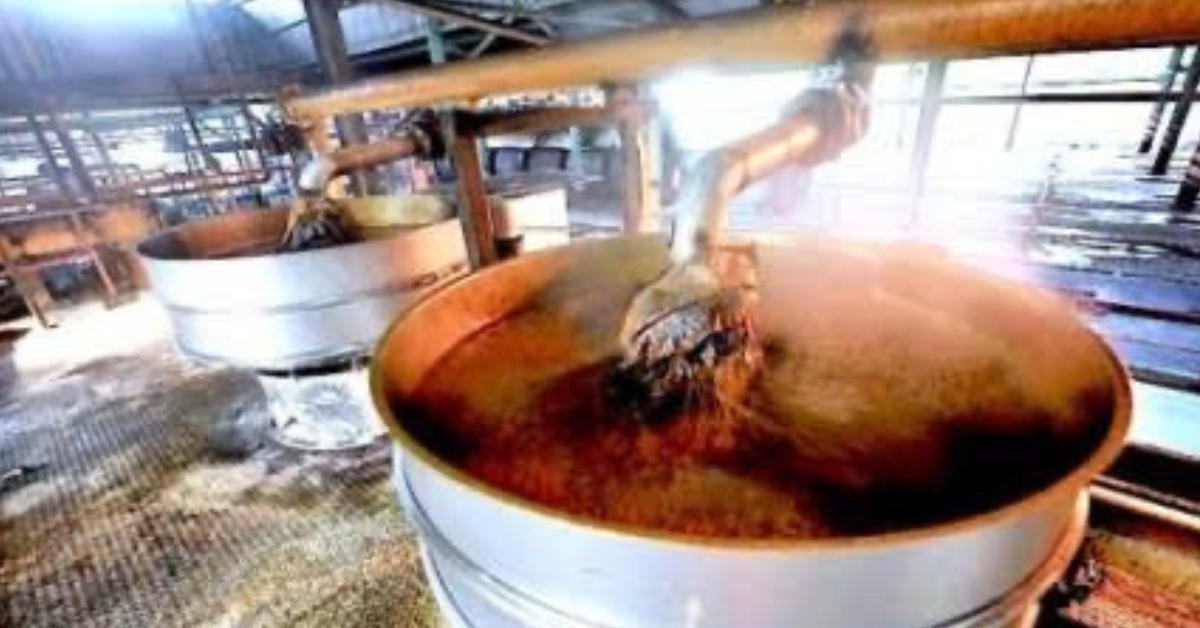
Cameroon Palm Oil Exports Surge 17% in 2025 Despite Supply Deficit Crisis Driving Imports
Cameroon’s palm oil exports climbed sharply in 2025, rising by 17% to reach 177 tonnes compared to 152 tonnes recorded in 2024, according to new foreign trade data released by the National Institute of Statistics. The growth reflects a surprising export resilience even as the country continues to battle a significant production deficit driven by rising domestic demand.
However, the increase in exports comes at a time when Cameroon faces an annual palm oil supply gap estimated between 200,000 and 300,000 tonnes. Authorities attribute this shortfall to the rapid expansion of local processing industries, which continues to outpace domestic production capacity. As a result, pressure has intensified across the value chain, forcing policymakers to adopt import-driven strategies to stabilize supply.
To address the imbalance, the government has consistently approved large-scale palm oil imports under reduced duty schemes. In 2023, Cameroon authorized the importation of 200,000 tonnes, marking the highest level of external sourcing on record. This approach aims to cushion the domestic market while supporting industrial processors that rely heavily on palm oil as a key input.
Meanwhile, export volumes remain relatively low despite the recent increase. Data shows that Cameroon exported 1,687.5 tonnes in 2023, a significant jump from 657 tonnes in 2022. Although this growth signals improved trade activity, exports still represent a small fraction of total production and consumption levels within the country.
Nevertheless, analysts note that the upward export trend highlights Cameroon’s strategic positioning in regional and international palm oil markets. Even so, the country must scale up local production to reduce dependency on imports and strengthen long-term sustainability in the sector.
As demand continues to rise, stakeholders are calling for increased investment in plantation expansion, improved yields, and stronger policy frameworks. Without these reforms, Cameroon risks deepening its supply deficit despite maintaining export momentum.