Physical Address
304 North Cardinal St.
Dorchester Center, MA 02124
Physical Address
304 North Cardinal St.
Dorchester Center, MA 02124

Amplifying African Entrepreneurs voices, one story at a time
Amplifying African Entrepreneurs voices, one story at a time
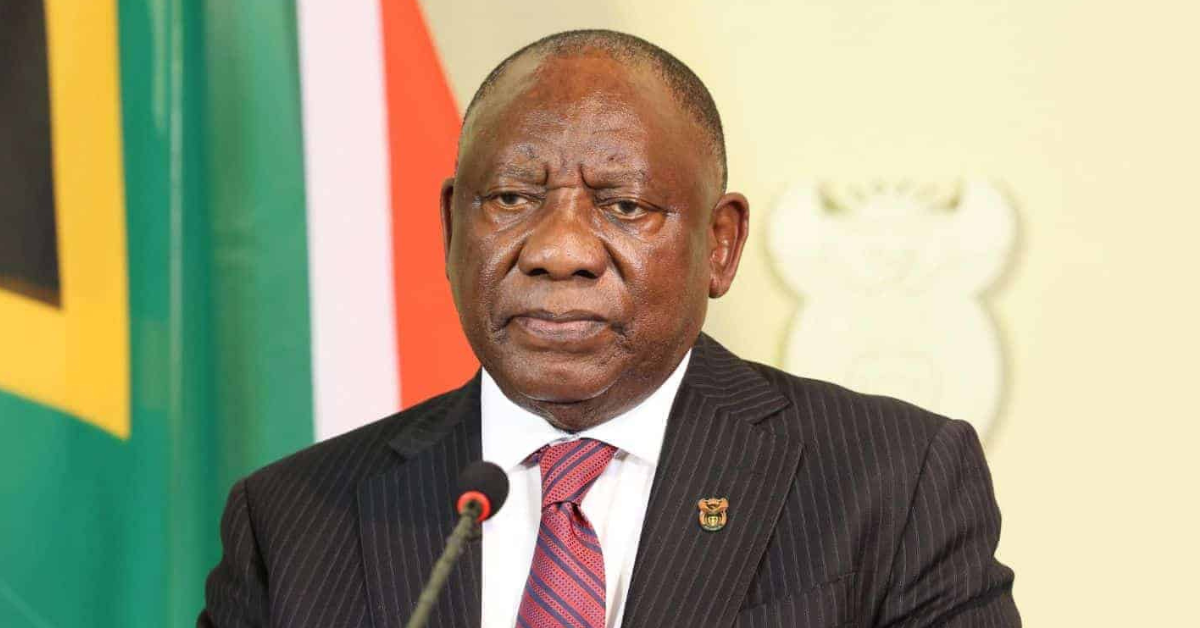
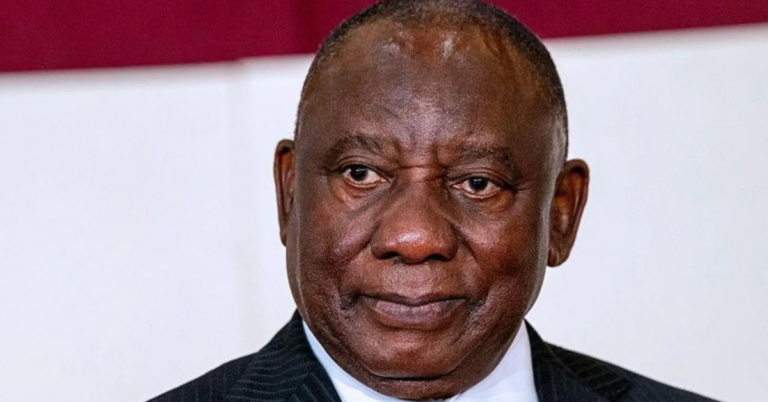
South African President Cyril Ramaphosa has called for urgent reform of the United Nations, warning that the global system is struggling to protect democracy amid rising nationalism, deepening inequality, and escalating conflicts across the world.
He said international institutions must regain strength and credibility, arguing that current structures no longer reflect the realities of a rapidly changing global order. His remarks reflect a growing demand from emerging economies for a more balanced and representative global governance system.
Ramaphosa stressed that democratic values face growing pressure as nationalism and intolerance continue to rise in several regions. He noted that cooperation and solidarity are being replaced by division and distrust, which weakens global stability.
He also pointed out that the United Nations Security Council has failed to respond effectively to major global crises. According to him, this weakness has allowed conflicts to intensify without decisive intervention, raising concerns about accountability and international law enforcement.
Moreover, he aligned his position with broader BRICS discussions, where countries such as Brazil, India, and China have repeatedly pushed for reforms that would reduce perceived dominance by Western powers in global decision-making structures.
Ramaphosa further highlighted the impact of ongoing conflicts, including the war in Gaza, describing them as symptoms of deeper ideological struggles and power imbalances in the international system. He warned that unchecked aggression and inequality threaten the foundation of peace and stability.
Speaking in his weekly newsletter and echoing remarks from a recent address in Barcelona, he emphasized that global governance must evolve or risk losing relevance. He argued that without reform, the gap between nations will continue to widen.
As a result, Ramaphosa’s statement adds momentum to ongoing debates about restructuring the United Nations and strengthening multilateral cooperation at a time when global tensions remain high.
This development reinforces Africa’s growing voice in international diplomacy, especially through platforms like BRICS and the African Union, where calls for fairness and representation continue to gain traction.