Physical Address
304 North Cardinal St.
Dorchester Center, MA 02124
Physical Address
304 North Cardinal St.
Dorchester Center, MA 02124

Amplifying African Entrepreneurs voices, one story at a time
Amplifying African Entrepreneurs voices, one story at a time
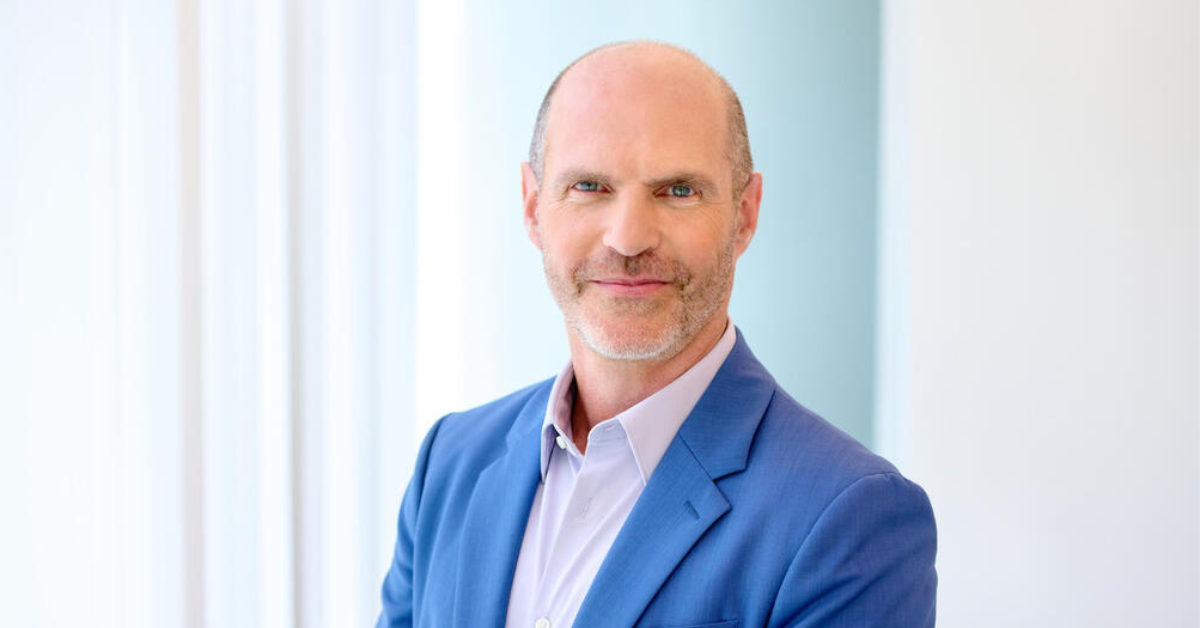
Cybersecurity pioneer CyberArk has grown from a small startup with a bold vision into a global technology leader, and its founder Udi Mokady believes independence and innovation remain the backbone of sustainable success in today’s fast-evolving digital economy.
In the early days, recognition came in small but meaningful ways. When CyberArk appeared on Calcalist’s list of top 50 promising startups, the team celebrated a milestone that validated its ambition. At that time, the company operated with limited resources, yet strong belief fueled its direction. That belief later translated into a Nasdaq IPO, global expansion, and a customer base exceeding 10,000 organizations.
The journey, however, did not follow a straight line. Economic shocks such as the Dot-com bubble and the Global financial crisis tested the company’s resilience. More recently, the COVID-19 pandemic and regional conflict introduced new layers of uncertainty. Despite these pressures, CyberArk continued to expand its influence, eventually becoming one of the largest Israeli cybersecurity firms listed on Nasdaq.
Mokady emphasizes that resilience defines Israeli high-tech today. While travel restrictions and economic volatility create barriers, innovation continues to thrive. Engineers, founders, and investors remain committed to building solutions even under pressure. This persistence, he notes, sets Israel apart as a global technology hub.
At the same time, he warns against over-reliance on a single sector. Cybersecurity remains a dominant strength, yet broader diversification is essential. Fields such as biotech, climate technology, agriculture, and energy are rapidly gaining momentum. These sectors are now attracting entrepreneurs eager to tackle global challenges, from healthcare breakthroughs to sustainable food production.
Artificial intelligence also plays a central role in this evolution. Mokady points out that AI and emerging technologies can unlock new opportunities across industries. As a result, startups are exploring innovative applications that extend beyond traditional enterprise solutions into consumer markets and global infrastructure.
Young founders are already stepping forward with bold ideas. Many seek guidance before securing funding, yet they demonstrate confidence and creativity. Their willingness to challenge norms reflects a new wave of entrepreneurship that could redefine Israel’s tech landscape in the coming decade.
Education, however, remains a critical factor. Mokady highlights the need to invest in technological training, especially in underserved regions. In 2025, CyberArk partnered with local authorities to launch a tech education center in northern Israel. The initiative aims to equip future professionals with skills in cybersecurity and artificial intelligence, ensuring long-term industry growth.
He stresses that access to quality education is not optional but essential. Without it, innovation risks slowing down. With it, the next generation can drive economic expansion and global competitiveness.
Looking ahead, Mokady encourages entrepreneurs to build independent companies with long-term vision. While acquisitions and exits may come, strong foundations create more strategic opportunities. Independence, he argues, allows companies to innovate freely and lead markets rather than follow them.
His message resonates across the global startup ecosystem. Innovation requires patience, risk-taking, and a willingness to explore uncharted territory. For African and emerging market founders, these lessons carry significant weight as local ecosystems continue to expand.
Ultimately, Mokady’s perspective reinforces a powerful idea. Independence fuels innovation, and innovation drives growth. As global challenges intensify, startups that embrace this mindset will shape the future of technology worldwide.