Physical Address
304 North Cardinal St.
Dorchester Center, MA 02124
Physical Address
304 North Cardinal St.
Dorchester Center, MA 02124

Amplifying African Entrepreneurs voices, one story at a time
Amplifying African Entrepreneurs voices, one story at a time
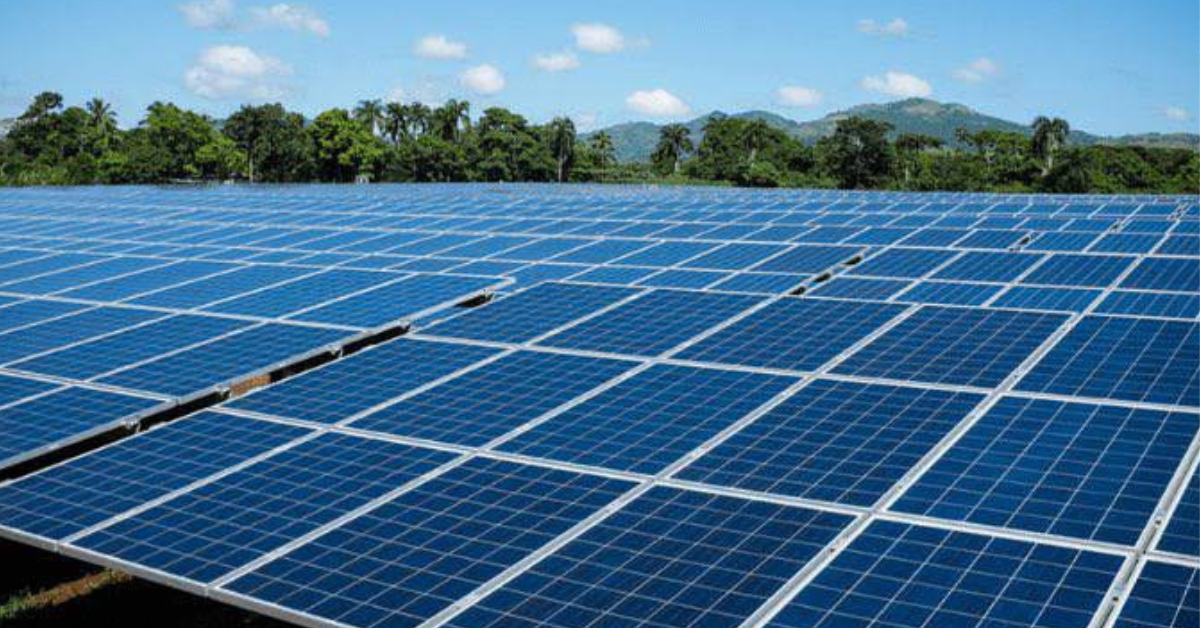
Nigeria has taken a bold step in Africa’s renewable energy race as it begins exporting locally manufactured solar panels to Ghana. This move signals a major shift in the country’s energy landscape and highlights its growing influence in clean energy innovation across the continent.
The federal government confirmed the development, emphasizing that Nigeria’s electrification model is now gaining attention beyond its borders. Officials believe this milestone reflects years of investment in local manufacturing and renewable energy expansion.
At a recent industry event, the Managing Director of the Rural Electrification Agency, Abba Aliyu, revealed that Nigeria has rapidly scaled up its solar production capacity. Within just two years, the country increased output from 120 megawatts to 300 megawatts. This growth did not happen by chance. Instead, it followed a strategic $425 million investment aimed at transforming Nigeria into a renewable energy hub.
Moreover, the government continues to push forward with plans to deepen this progress. It has already earmarked another $425 million to establish eight renewable energy manufacturing facilities nationwide. These projects are expected to boost production, create jobs, and strengthen Nigeria’s position in Africa’s clean energy market.
Beyond manufacturing, Nigeria is also exploring new opportunities in cross-border electricity trade. Solar deployment in border communities could power neighboring countries while improving energy access in underserved regions. As a result, this approach supports regional integration and enhances energy security across West Africa.
Industry experts see this development as a turning point. Not only does it reduce reliance on fossil fuels, but it also positions Nigeria as a leader in Africa’s transition to sustainable power. Ghana, as an early partner, stands to benefit from improved access to affordable and reliable solar energy.
Meanwhile, momentum continues to build following commitments secured at the Nigeria Renewable Energy Innovation Forum 2025. These agreements are expected to attract more investors and accelerate the country’s clean energy ambitions.
Nigeria’s entry into solar panel exports shows that Africa can produce and supply its own energy solutions. With continued investment and innovation, the continent may soon rely less on imports and more on homegrown technologies.