Physical Address
304 North Cardinal St.
Dorchester Center, MA 02124
Physical Address
304 North Cardinal St.
Dorchester Center, MA 02124

Amplifying African Entrepreneurs voices, one story at a time
Amplifying African Entrepreneurs voices, one story at a time
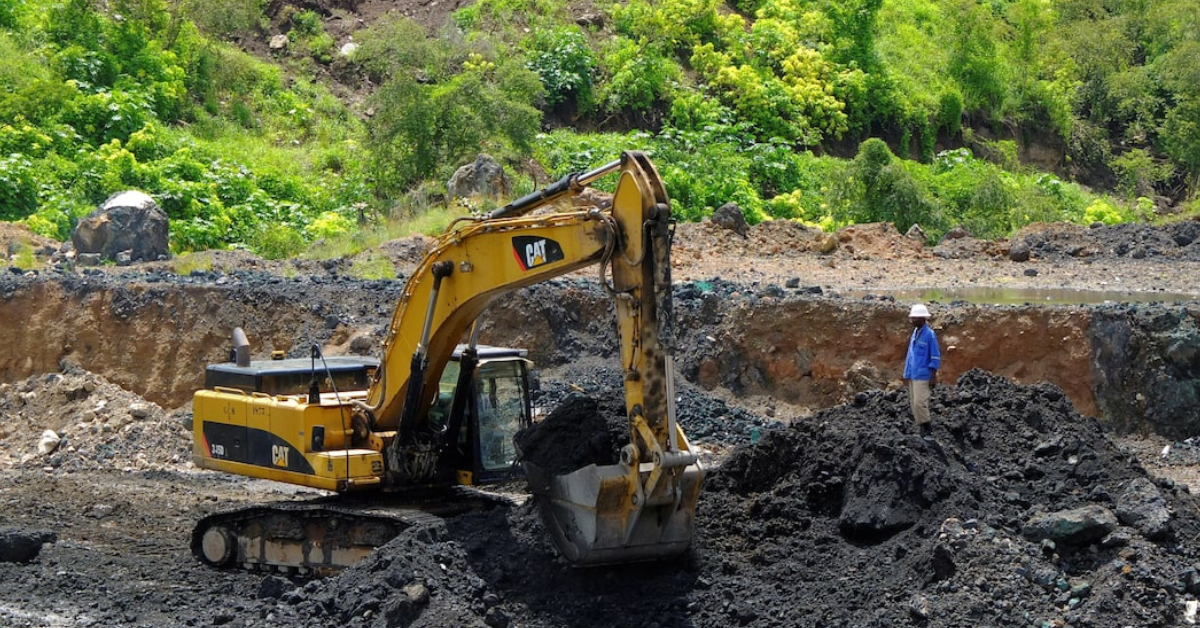
Democratic Republic of Congo has launched a $100 million paramilitary mining guard backed by the United States and the United Arab Emirates in a bold move to secure mining sites, stop mineral smuggling, and restore investor confidence in one of Africa’s most strategic economies.
The announcement came from the country’s General Inspectorate of Mines on Monday, confirming that the new force will protect mining operations and strengthen mineral supply chains across the country. Congo remains the world’s leading producer of cobalt and one of the largest suppliers of copper, while also holding vast reserves of lithium, gold, and coltan.
This latest move signals Congo’s determination to gain tighter control over its mineral wealth. In recent years, insecurity, illegal mining, and cross-border smuggling have cost the country billions of dollars in lost revenue. However, the new security structure aims to reverse that trend and position Congo as a safer destination for global mining investors.
Officials said the unit will roll out gradually across major mining regions. It is expected to grow to more than 20,000 personnel by the end of 2028. Meanwhile, the first batch of between 2,500 and 3,000 officers should become operational by December 2026 after recruitment and six months of military-backed training.
Rafael Kabengele, Congo’s Inspector General of Mines, said President Félix Tshisekedi’s administration wants to clean up the sector completely. He stressed that the mission includes ending corrupt practices, improving governance, and ensuring transparency in mineral traceability.
The development comes at a crucial time for Congo. The country continues to face armed conflict in its mineral-rich eastern region, where rebel activity has displaced hundreds of thousands of people and disrupted mining operations. As a result, securing mines has become a national economic priority.
At the same time, the United States has increased its interest in Congo’s minerals sector as Washington seeks alternative supply chains outside China’s dominance in critical minerals. Last year, Congo and the US signed a strategic minerals partnership designed to improve security, encourage investment, and expand access to key resources used in electric vehicles, batteries, and renewable energy technology.
Western firms have already shown stronger interest in Congo’s mining assets. Virtus recently took over copper-cobalt miner Chemaf, while other international companies continue exploring opportunities in both stable and high-risk regions.
The new mining guard will gradually replace traditional defence forces currently handling site security. Its responsibilities will include protecting mining areas, escorting mineral shipments to processing facilities and border posts, and safeguarding strategic investments.
Analysts believe the initiative could reshape Congo’s mining sector if implemented effectively. Better security often leads to stronger production, improved revenues, and greater investor trust. Moreover, it could help Africa strengthen its role in the global race for battery metals and critical minerals.
For Africa’s business community, Congo’s decision highlights how mineral security now sits at the centre of economic growth, industrial policy, and geopolitical competition. With cobalt demand rising worldwide, Congo’s next steps may influence markets far beyond the continent.