Physical Address
304 North Cardinal St.
Dorchester Center, MA 02124
Physical Address
304 North Cardinal St.
Dorchester Center, MA 02124

Amplifying African Entrepreneurs voices, one story at a time
Amplifying African Entrepreneurs voices, one story at a time
A wave of major policy and corporate shifts is shaping global markets as Sudan moves to restrict a wide range of imports in a bid to stabilize its weakening currency, while tech giant Meta Platforms accelerates one of the most ambitious AI-driven compensation and growth strategies in corporate history.
Sudan’s government has tightened import controls across multiple categories as officials attempt to slow the currency slide and protect foreign reserves. The decision reflects growing pressure on the country’s economy, where inflation and forex shortages continue to disrupt trade flows and consumer prices. Analysts say the move could stabilize short-term currency volatility, although it may also raise domestic prices and tighten supply chains in the coming weeks.
At the same time, attention in global tech markets has shifted sharply to Meta Platforms as the company prepares to report its first-quarter 2026 earnings. Investors are closely watching capital expenditure, which is expected to climb between $115 billion and $135 billion this year, driven by Meta’s aggressive push into artificial intelligence and its Superintelligence Labs initiative.
Meta has also drawn strong market reaction after SEC filings revealed a bold executive compensation structure tied to extreme long-term growth targets. The company granted stock option packages to five senior executives, including CTO Andrew Bosworth, CFO Susan Li, and other top leaders, with strike prices ranging from $1,116 to $3,727 per share. With Meta stock trading around $671, the awards only become valuable if the company delivers massive upside performance over time.
The highest valuation scenario tied to these options points to a $9.46 trillion market cap, a level no company has ever reached. For context, even Nvidia, currently the world’s most valuable company, sits at about $5.3 trillion. Analysts say the structure signals Meta’s long-term belief that AI will reshape its revenue model, advertising dominance, and platform ecosystem.
However, the gap between ambition and execution remains under scrutiny. Meta continues to face strong competition from OpenAI, Google, and Anthropic, whose AI models currently lead in several performance benchmarks. Despite heavy investments, including multi-billion-dollar AI talent acquisitions and strategic stakes in firms like Scale AI, Meta is still racing to close the technological gap.
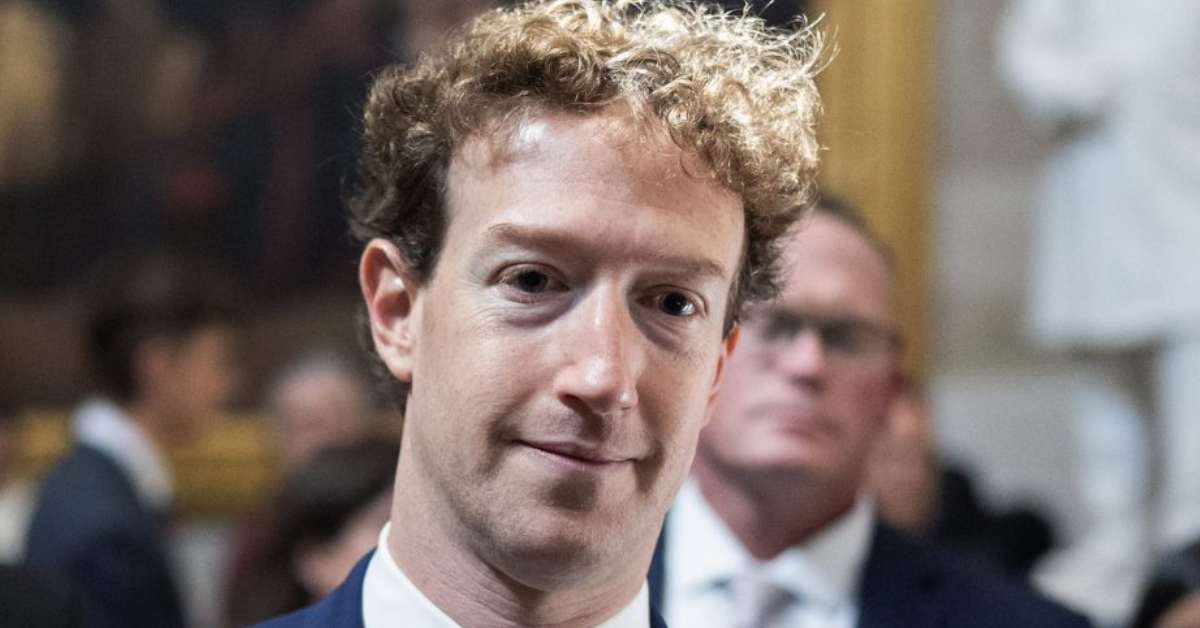
Meanwhile, CEO Mark Zuckerberg remains excluded from the latest stock awards. He continues to take a symbolic $1 salary, while retaining a personal fortune tied to his estimated $230 billion stake in the company. His security expenses alone reached over $25 million last year, reflecting the scale of his leadership footprint in global tech.
Investors are also weighing external pressures. Meta’s earnings outlook comes as geopolitical tensions, including conflict in the Middle East, continue to influence global advertising budgets. Analysts warn that prolonged instability could slow ad spending growth, even as AI-driven engagement tools boost platform performance.
Market expectations remain strong, with analysts projecting Q1 revenue of about $55.5 billion, marking roughly 31% year-over-year growth. Earnings are expected around $6.68 per share, signaling continued resilience despite rising costs and heavy investment cycles.
Still, uncertainty surrounds Meta’s aggressive spending strategy. Some analysts argue that while the AI vision is ambitious, returns on investment remain unproven at scale. Others believe the company is positioning itself early for what could become the next dominant computing platform.