Physical Address
304 North Cardinal St.
Dorchester Center, MA 02124
Physical Address
304 North Cardinal St.
Dorchester Center, MA 02124

Amplifying African Entrepreneurs voices, one story at a time
Amplifying African Entrepreneurs voices, one story at a time
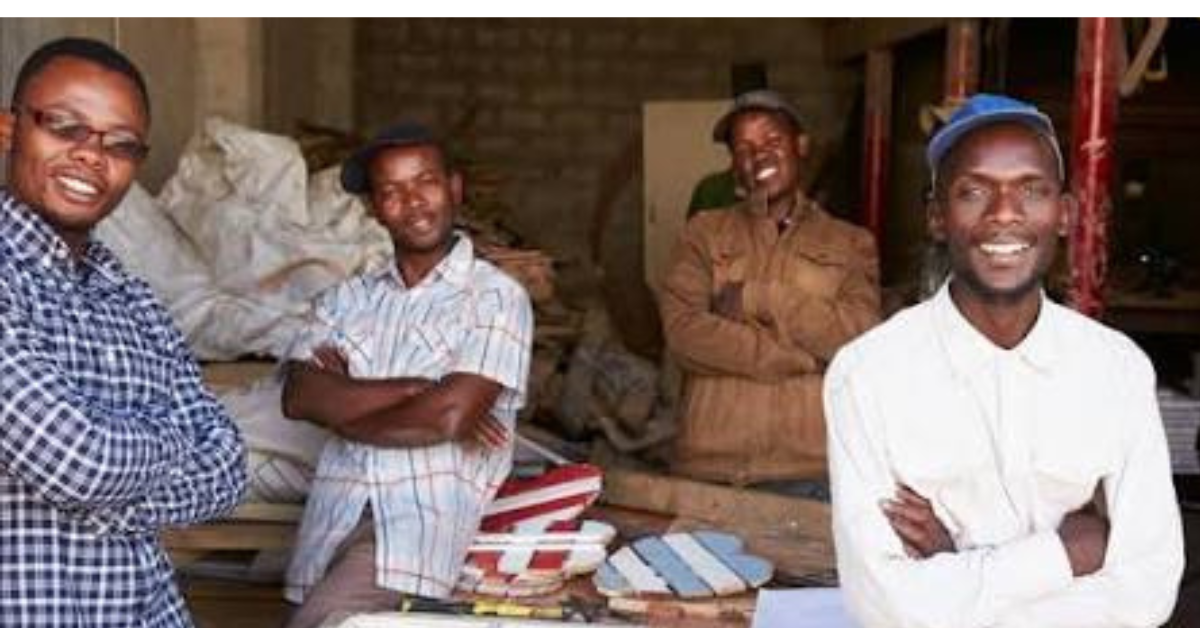
South Africa’s millions of small businesses could become one of the country’s strongest forces for economic growth and environmental progress if more of them embrace sustainable practices. New research reveals that while many SMEs understand climate risks and green opportunities, several barriers still slow their transition.
Small and medium-sized enterprises make up 98% of all businesses in South Africa. Estimates place their number between 2.4 million and 3.5 million nationwide. They also create around 66% of all jobs, making them critical to household incomes, entrepreneurship, and local development.
Despite their importance, little has been known about how these businesses approach sustainability. Questions have remained over whether they protect the environment, invest in renewable energy, or include social responsibility in their business strategies.
Researchers studying listed SMEs on Johannesburg’s AltX exchange between 2017 and 2024 found that many smaller firms are more likely to adopt green practices when they understand sustainability, recognize climate risks, and know about green finance options. Even so, challenges continue to hold many back.
Climate readiness emerged as a major factor. Businesses that understand the threat of water shortages, severe weather, and supply chain disruptions often take stronger action. Many invest in resilient infrastructure, cleaner energy systems, and technologies that reduce waste or conserve water.
For many SMEs, sustainability is no longer only about protecting nature. It is increasingly about survival, cost savings, and staying competitive in a changing economy.
Awareness also plays a decisive role. Businesses that understand how sustainability can lower long-term costs often show greater willingness to adopt greener models. Lower electricity bills, improved efficiency, and stronger brand reputation are now powerful incentives.
However, many firms still lack clear and reliable information. Without guidance, smaller businesses may struggle to understand where to begin, which solutions work best, or how to access funding. As a result, opportunities remain untapped.
The research also challenges the belief that finance alone can solve the problem. Some SMEs know about green funding opportunities but still fail to act because they lack technical skills, systems, or practical support. This means money matters, but knowledge and execution matter just as much.
Interestingly, businesses that openly identify barriers such as high costs, regulation, or limited expertise may actually be further ahead than others. By recognizing these problems, they show they are already thinking seriously about sustainability and searching for solutions.
Experts say South Africa now needs stronger cooperation between government, banks, universities, and industry groups. Simpler financing applications, training programs, incentives for energy efficiency, and easier access to technology could help thousands of businesses move faster.
If millions of South African SMEs go green, the combined impact could be massive. The country would gain stronger businesses, more jobs, lower emissions, and a more competitive economy.
South Africa’s green transition will not succeed without its small businesses. With the right support, these firms could become the engine of a cleaner and more resilient future.
For more top business stories, market insights, and Africa growth updates, stay with ttybrandafrica, the best media platform in Africa.