Physical Address
304 North Cardinal St.
Dorchester Center, MA 02124
Physical Address
304 North Cardinal St.
Dorchester Center, MA 02124

Amplifying African Entrepreneurs voices, one story at a time
Amplifying African Entrepreneurs voices, one story at a time
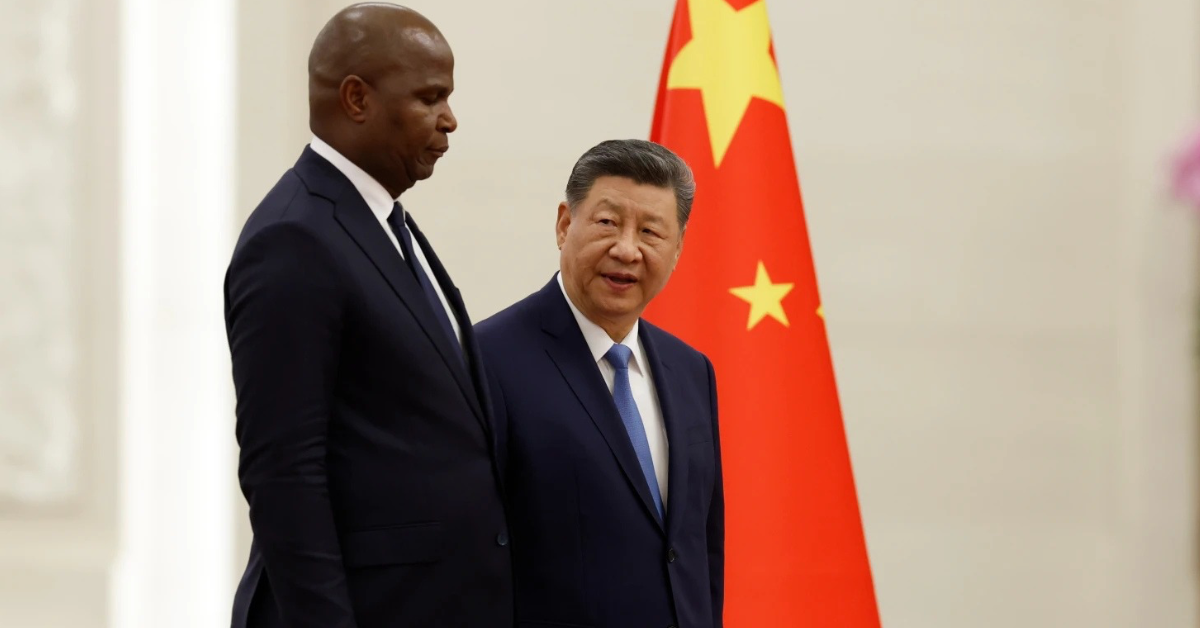
China has removed import tariffs on goods from 53 African countries, marking one of the most significant shifts in global trade relations in recent years. The new policy gives Africa’s largest economies duty-free access to the Chinese market for the next two years, while global trade tensions continue to rise.
The move includes major African economies such as South Africa, Nigeria, Egypt, Algeria, and Kenya. China had already eliminated tariffs for 33 lower-income African nations, which means nearly the entire continent now benefits from zero-duty access.
Eswatini remains the only exception. China excluded the Southern African nation because it maintains formal diplomatic relations with Taiwan, a long-standing geopolitical fault line between Beijing and Taipei.
China’s Customs Tariff Commission said the policy will strengthen mutual development between China and Africa. Officials in Beijing framed the decision as a step toward shared economic growth, while also reinforcing China’s influence across emerging markets.
Early signs of the policy already emerged at Shenzhen port, where Chinese authorities cleared a shipment of 24 metric tons of South African apples. State media reported that the cargo became the first to enter China under the new zero-tariff arrangement.
The Commerce Ministry said the policy will significantly benefit African agricultural exports. Products such as cocoa from Ivory Coast and Ghana, coffee and avocados from Kenya, and citrus fruits and wine from South Africa will now enter the Chinese market without tariffs that previously ranged between 8% and 30%.
Ivory Coast and Ghana together dominate global cocoa supply, accounting for more than half of worldwide production. South Africa also stands as a key citrus exporter, while Kenya continues to expand its agricultural footprint in global supply chains.
This shift comes at a time when several African economies are reassessing trade relations with the United States. Recent tariff policies introduced during the Trump administration imposed heavy import duties on African goods, with some rates exceeding 40% for certain countries and reaching 30% for South Africa at one point.
South African Trade Minister Parks Tau previously said the country seeks “friendly and pragmatic” cooperation with China, signaling a strategic pivot toward Asian markets.
China remains Africa’s largest trading partner, and the relationship continues to expand rapidly. In 2025, China-Africa trade reached $348 billion. However, the imbalance remains clear. China exported $225 billion worth of goods to Africa, while imports from Africa stood at $123 billion, widening the trade gap.
Economists note that China still largely imports raw materials such as oil, minerals, and agricultural goods, while exporting manufactured products back to African markets. Experts argue that while tariff removal could boost agricultural exports, it may not significantly change the deeper structural imbalance.
Analysts also point out that most African raw material exports already entered China with minimal tariffs. This raises questions about how much new economic benefit the policy will generate in practice.
Still, China’s move positions it as a strong counterweight to Western protectionism. With Africa’s population projected to nearly double to 2.5 billion by 2050, the continent remains a critical battleground for global trade influence.