Physical Address
304 North Cardinal St.
Dorchester Center, MA 02124
Physical Address
304 North Cardinal St.
Dorchester Center, MA 02124

Amplifying African Entrepreneurs voices, one story at a time
Amplifying African Entrepreneurs voices, one story at a time
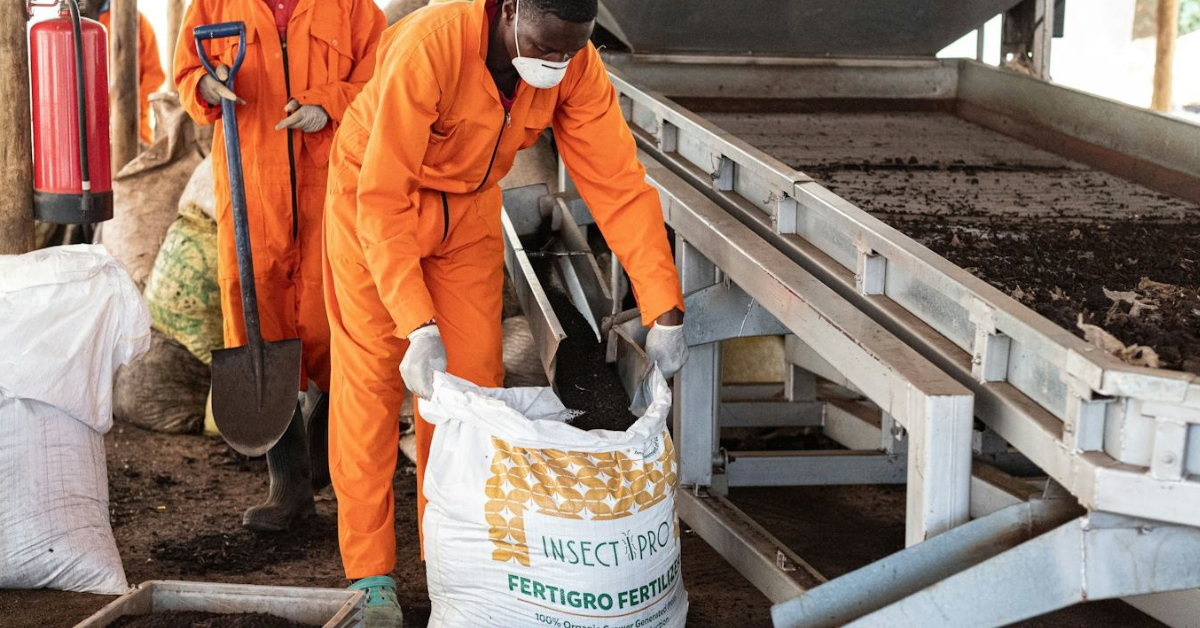
Africa’s food systems are under fresh pressure as a new wave of fertiliser disruption spreads from the Persian Gulf. The Iran–Gulf conflict has slowed global fertiliser exports and pushed prices higher, raising fresh concerns for food security across sub-Saharan Africa, where farmers already depend heavily on imports.
About 80% of fertiliser used across Africa comes from outside the continent. Countries like Nigeria, Kenya, Tanzania, Ghana, Togo, and regions in North Africa rely on imports from Russia, Europe, India, China, and Gulf states. Now that supply chain is weakening fast.
Iran plays a major role in this disruption. It ranks among the world’s top exporters of urea, a key fertiliser ingredient used to boost crop yields. With conflict escalating since late February 2026, shipping through the Strait of Hormuz has dropped by nearly 95%. That single chokepoint has slowed exports across the entire Gulf region.
Qatar has also reduced production after its gas facilities came under attack, adding more pressure to global supply. As a result, fertiliser that still gets produced cannot leave the region efficiently. Prices continue to climb, and African importers feel the shock immediately.
Unlike oil, fertiliser has no global strategic reserve. Once supply breaks, recovery takes time. That reality now hits African agriculture hard, especially in countries like Malawi, which imports more than half of its fertiliser from Gulf suppliers.
Farmers across Africa already struggled through earlier shocks. The COVID-19 pandemic disrupted logistics. Then the Ukraine war tightened global supply chains between 2020 and 2024. Many farmers responded by using less fertiliser, but that decision reduced crop yields and household income. It also increased food insecurity in rural communities.
This new crisis exposes a deeper problem. Africa’s agricultural systems depend heavily on imported inputs while policy continues to focus on staple crops like maize, rice, and wheat. These crops fill stomachs, but they often lack the nutrients needed for balanced diets. As a result, food may be available, but it is not always affordable, diverse, or nutritious.
Researchers working on agrifood systems argue that Africa must rethink its approach. They highlight a shift toward more resilient farming models that reduce fertiliser dependence while improving nutrition outcomes.
Farmers can adapt by growing more fruits, vegetables, pulses, and integrating agroforestry systems that restore soil health. Home gardens also help families diversify diets when supported with training and nutrition education. Aquaculture and poultry farming can boost protein supply at local levels.
Bio-fortified crops offer another pathway. Crops like iron-rich beans in Rwanda and vitamin A-rich orange sweet potatoes in Mozambique show how nutrition can be built directly into food production without increasing fertiliser use.
Better storage and distribution systems also reduce food loss and protect quality. Food fortification during processing improves nutrition without changing farming practices. Social protection programmes like cash transfers and school feeding programmes help families cope when prices rise.
Nutrition education strengthens these efforts by helping households make better food choices. However, researchers stress that no single solution works alone. Africa needs a bundled approach that combines farming innovation, policy reform, and social support.
Innovation is also reshaping the future of farming. Scientists are developing “reporter plants” that act as early warning systems for soil health. One example is a tomato plant that turns bright red when nitrogen levels drop too low. This kind of technology gives farmers real-time insight and reduces waste while improving efficiency.
The message is clear. Africa’s fertiliser crisis is not only about supply. It reflects deeper structural challenges in food systems, trade dependence, and agricultural policy. But it also opens a window for innovation, resilience, and transformation if governments and private sectors act quickly.