Physical Address
304 North Cardinal St.
Dorchester Center, MA 02124
Physical Address
304 North Cardinal St.
Dorchester Center, MA 02124

Amplifying African Entrepreneurs voices, one story at a time
Amplifying African Entrepreneurs voices, one story at a time
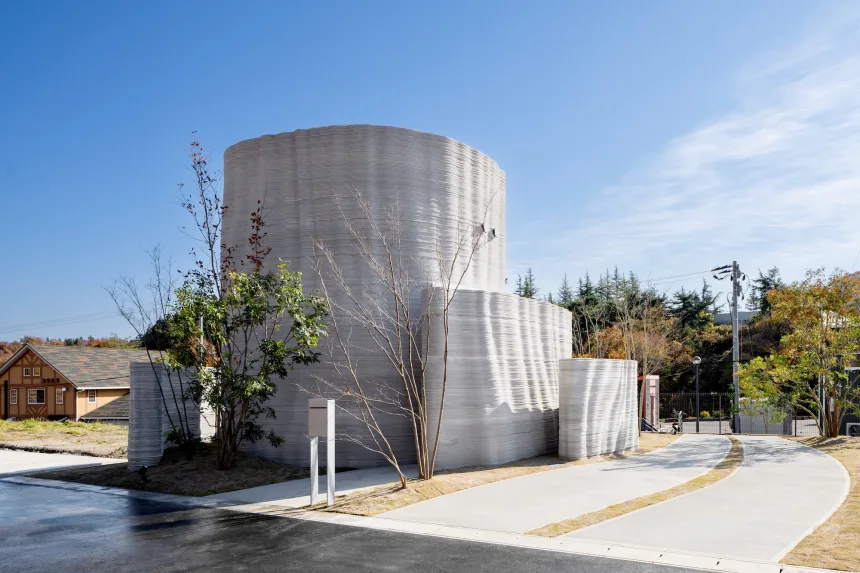
Japan has officially entered the future of housing. A groundbreaking startup is now proving that 3D-printed homes could help solve one of the country’s biggest economic and social problems.
Japanese construction-tech startup Kizuki recently unveiled “Stealth House,” the country’s first fully realized 3D-printed two-story home. The project arrives at a critical moment for Japan’s struggling construction sector, which faces soaring material costs, shrinking productivity, and a rapidly aging workforce.
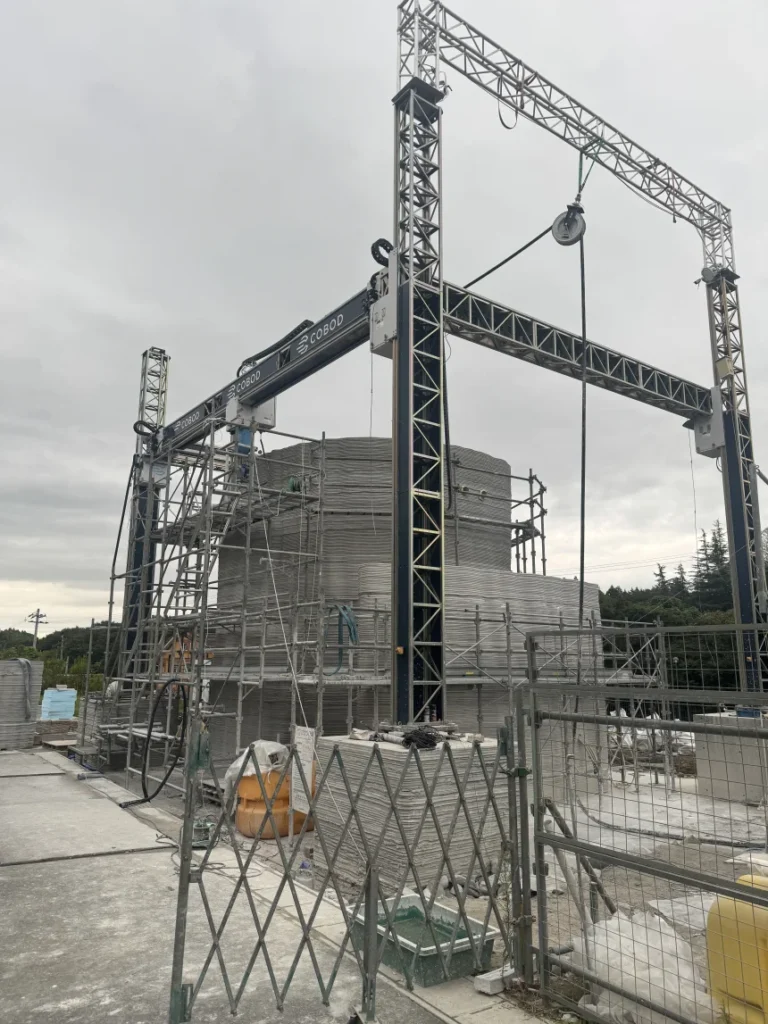
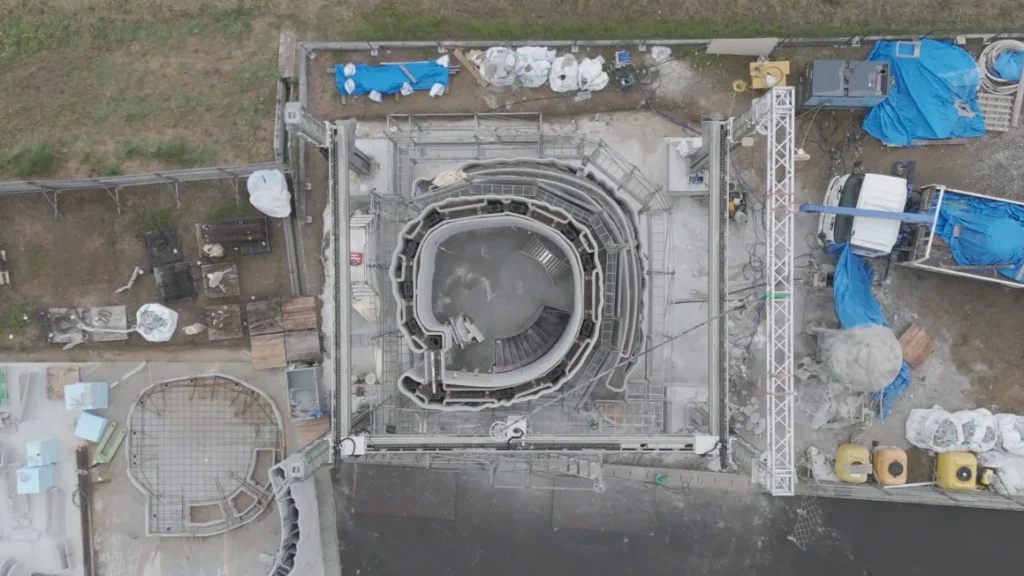
The futuristic home stands six meters tall and spans about 50 square meters. However, its biggest achievement goes far beyond its unusual appearance. Kizuki and more than 20 partner companies built the earthquake-resistant structure in just 14 days using a giant gantry-style 3D printer. In a country where earthquakes shape building standards, the company designed the home to meet strict seismic safety regulations.
Kizuki CEO Rika Igarashi described the project as a historic breakthrough for Japan’s construction industry. The company successfully completed the entire process digitally, from feeding design data directly into the printer to carrying out continuous on-site construction and final finishing works.
Unlike traditional buildings that require multiple teams working in sequence, the 3D-printing process dramatically reduces labor demands. That advantage matters now more than ever in Japan. Industry estimates suggest nearly 1.5 million skilled construction workers could retire within the next decade. As a result, companies across the country are searching for faster and more efficient ways to build homes.
The “Stealth House” uses hollow exterior walls reinforced with concrete framing. That structure helps the building withstand earthquakes while also reducing material waste. At the same time, additive manufacturing gives architects more freedom to experiment with shapes and designs that traditional construction methods struggle to achieve.
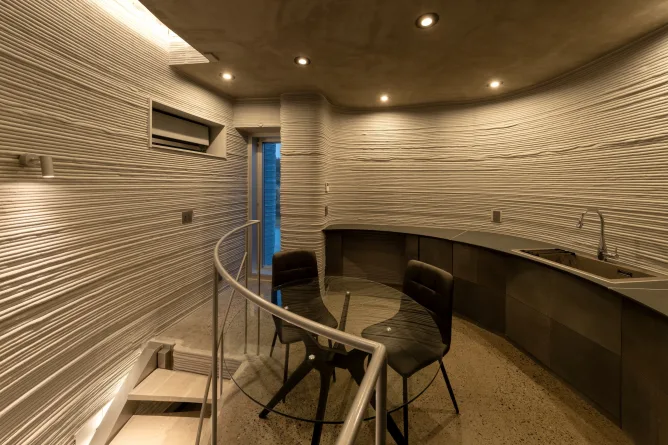
Importantly, the house is not just a prototype for display. The property in Kurihara City, Miyagi Prefecture, has already sold, proving there is growing market interest in 3D-printed housing across Japan.
Experts believe the technology could reshape the future of residential construction. Daisuke Katano, managing partner at construction consultancy YCP, explained that 3D printing can combine as many as seven traditional construction trades into one streamlined process. Consequently, companies can reduce coordination delays, increase efficiency, and cut labor costs.
Japan’s residential construction productivity currently sits at less than half of US levels. Even small improvements could unlock billions of dollars in economic output. Therefore, many industry leaders now see automation and digital construction as necessary rather than optional.
The country has already started experimenting with emergency housing projects. Japanese startup Serendix deployed affordable 3D-printed homes following the devastating 2024 earthquake in the Noto Peninsula. Those projects demonstrated how rapidly printed homes could support disaster recovery efforts.
Meanwhile, Kizuki plans to expand its vision beyond urban innovation. The startup recently showcased its housing solutions to representatives from several municipalities during the SusHi Tech conference in Tokyo. Many remote and depopulated regions across Japan struggle with severe labor shortages and declining housing supply. Kizuki believes 3D-printed construction could help bridge that gap.
Still, the road to mass adoption remains complicated. Financial institutions and insurers continue to approach 3D-printed housing cautiously. Investors worry about long-term durability, resale value, and the lack of historical performance data. Additionally, many traditional Japanese mortgage programs require larger floor areas, making financing difficult for smaller 3D-printed homes.
Despite those concerns, momentum is building. Tetsuya Ishida believes Japan’s regulatory environment is slowly evolving. The government has already included 3D printing in its national “New Technology Introduction Promotion Plan,” signaling stronger support for automated construction systems.
Japan has invested in construction automation for decades. In fact, the government launched its “i-Construction” initiative in 2015 to modernize the sector using digital tools, robotics, and advanced machinery. Officials later expanded the initiative with an ambitious target to reduce labor demands in construction by 30% before 2040.
Industry analysts now predict even larger gains ahead. Experts say combining 3D printing with prefabrication, AI-powered design systems, and autonomous heavy equipment could improve construction productivity by as much as 40% by 2030.
Kizuki is already preparing for that future. The company plans to launch a dedicated “3DPC Academy” later this year to train workers in large-scale 3D-printed construction technology.
For many young people, the innovation could also transform the image of construction work itself. Instead of being viewed as physically exhausting and dangerous, the industry may soon become more digital, creative, and technology-driven.
As global housing shortages continue to rise and labor crises intensify, Japan’s first 3D-printed two-story home may represent more than a technological milestone. It could become the blueprint for how countries around the world rethink construction in the age of automation.