Physical Address
304 North Cardinal St.
Dorchester Center, MA 02124
Physical Address
304 North Cardinal St.
Dorchester Center, MA 02124

Amplifying African Entrepreneurs voices, one story at a time
Amplifying African Entrepreneurs voices, one story at a time
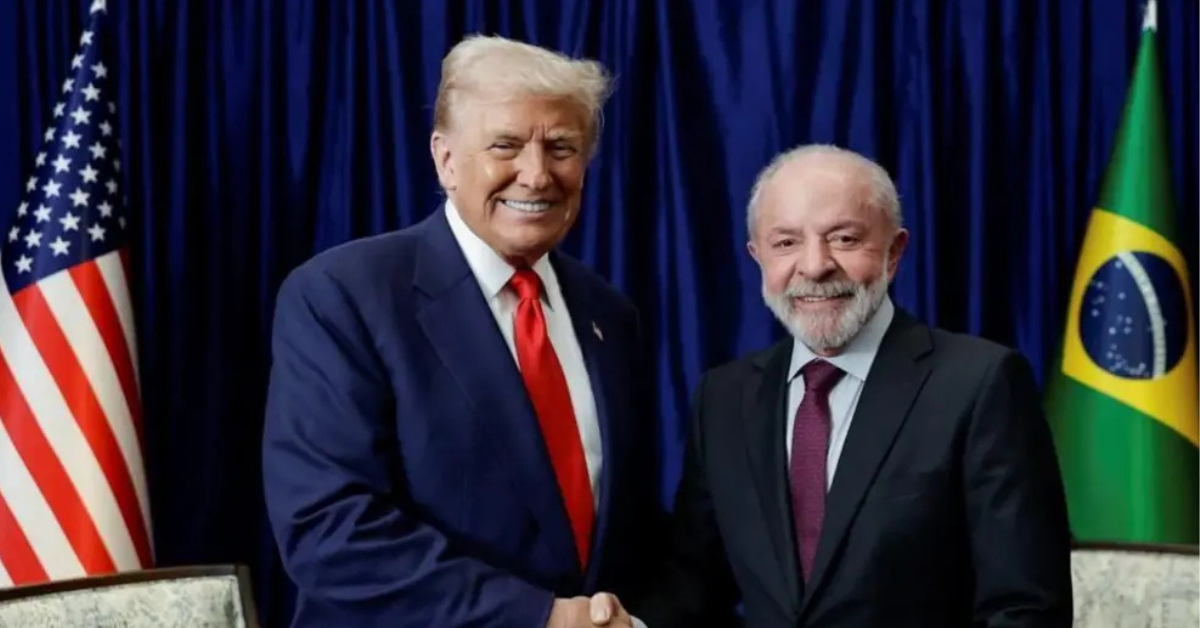
Donald Trump welcomed Brazilian President Luiz Inácio Lula da Silva to the White House today for a closely watched meeting that could reshape relations between two of the Americas’ biggest economies.
The talks come after months of political tension, trade disputes and rising global competition over strategic resources. Both leaders are expected to address tariffs on Brazilian exports, access to rare earth minerals and Washington’s concerns over Brazil’s popular Pix payment system.
The meeting has drawn global attention because the United States wants to reduce its heavy dependence on China for minerals used in advanced technology. Brazil holds one of the world’s largest reserves of rare earth elements, estimated at between 20% and 23% of global supply. That places the South American nation in a powerful negotiating position.
Rare earth minerals play a vital role in manufacturing fighter jets, semiconductors, electric vehicles, smartphones, computers, artificial intelligence systems and medical equipment. As competition with China intensifies, the Trump administration wants to secure alternative supply chains through a strategy known as Project Vault.
Because of that plan, Brazil has become a major target for future US partnerships. However, Lula’s government appears cautious and unwilling to rush into any quick agreement.
Trade tensions also remain fresh. Last year, Trump imposed a 50% tariff on most Brazilian goods entering the United States. The move hit products such as coffee and beef, both highly valued in the American market.
Trump argued the tariffs were linked to what he described as unfair treatment of former Brazilian President Jair Bolsonaro, a close political ally. Bolsonaro was later convicted for plotting a coup after losing Brazil’s 2022 election and was sentenced to prison before being placed under house arrest due to health concerns.
Later, Trump reversed the tariffs after domestic prices increased in the United States. In addition, broader tariff measures faced legal setbacks after rulings from the US Supreme Court.
Another sensitive issue in today’s meeting is Pix, Brazil’s instant digital payment platform created by the country’s central bank. Pix has transformed how millions of Brazilians transfer money, pay businesses and manage transactions instantly.
US trade officials previously opened an investigation into Brazil’s payment services market. While they did not directly name Pix in formal notices, they suggested state-backed systems may disadvantage foreign competitors.
Brazil has fiercely defended Pix as a symbol of innovation and national independence. Lula recently declared that Pix belongs to Brazil and insisted no foreign pressure would force changes to the platform.
Despite disagreements, Trump and Lula previously showed personal chemistry during earlier meetings. Yet observers say their relationship has cooled due to political differences and competing economic priorities.
Today’s White House meeting could therefore become a turning point. If both sides find common ground, the US may gain access to critical mineral supply chains while Brazil could secure stronger trade guarantees. If talks fail, tensions over tariffs, technology and sovereignty may deepen.
For global markets, the outcome matters far beyond Washington and Brasília. It touches the future of clean energy, digital finance, supply chains and geopolitical power.