Physical Address
304 North Cardinal St.
Dorchester Center, MA 02124
Physical Address
304 North Cardinal St.
Dorchester Center, MA 02124

Amplifying African Entrepreneurs voices, one story at a time
Amplifying African Entrepreneurs voices, one story at a time
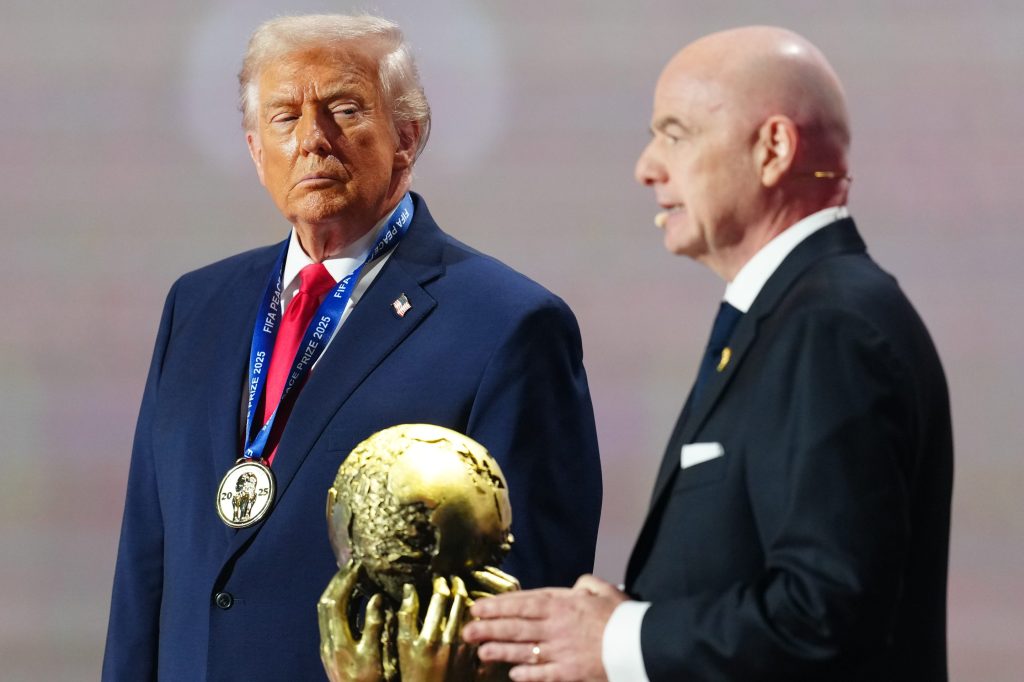
The countdown to the 2026 FIFA World Cup has begun, but America’s hotel industry is not celebrating yet. Instead of a tourism boom, many hotels across key host cities say reservations remain far below projections, creating fresh doubts over the tournament’s promised economic windfall.
Last year, FIFA President Gianni Infantino described the upcoming tournament as the equivalent of “104 Super Bowls,” predicting one of the biggest global sporting spectacles in history. FIFA estimates the World Cup could attract six billion viewers and generate $30.5 billion in economic activity across host nations United States, Canada and Mexico.
However, new data suggests reality may look very different.
According to a report from the American Hotel and Lodging Association, nearly 80% of more than 200 surveyed hotels across 11 U.S. host cities say bookings are tracking below initial expectations. Many hotel operators now fear the event may fail to deliver the tourism surge they were promised.
Several respondents cited visa delays for international visitors, rising geopolitical tensions and expensive travel costs as major barriers slowing demand. Others blamed FIFA’s earlier hotel room block strategy, which created an artificial sense of demand before thousands of rooms were later released back into the market.
Hotels in cities such as New York City, Los Angeles, Dallas, Miami, Atlanta and Seattle reportedly described the tournament as a “non-event” so far.
The concern is significant because the 2026 FIFA World Cup is expected to be the largest in history, featuring 48 teams and matches across three countries.
Travel costs are also becoming a major issue for fans. Airfares for transcontinental trips have surged, while match tickets for many games exceed $1,000. The final at MetLife Stadium has reportedly reached nearly $33,000 for premium seats.
Even Donald Trump weighed in on the prices, saying he would not personally pay such amounts.
Analysts say mega sporting events often overpromise economic rewards. While host cities can benefit from temporary spending, job creation and tourism spikes usually fade quickly after the tournament ends.
Still, experts believe last-minute travel demand could improve the picture as football fans rush to secure tickets closer to kickoff.
For now, though, the optimism around the 2026 World Cup is meeting a colder reception inside America’s hotel sector.
The tournament may still become a global television success, but for many U.S. hotels, the financial scoreboard remains uncertain.