Physical Address
304 North Cardinal St.
Dorchester Center, MA 02124
Physical Address
304 North Cardinal St.
Dorchester Center, MA 02124

Amplifying African Entrepreneurs voices, one story at a time
Amplifying African Entrepreneurs voices, one story at a time
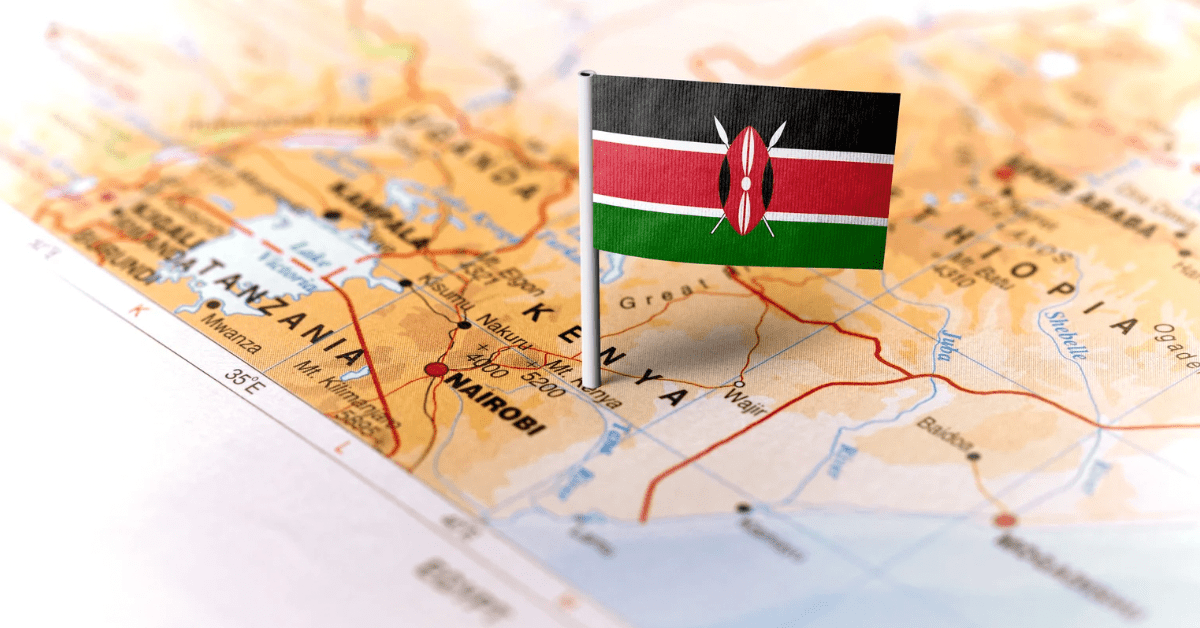
In a major policy shift, Kenya removes visa requirements for Nigeria, all African and most Caribbean countries, supporting tourism, trade, and Africa’s free movement goals. The policy, confirmed by the Kenyan Cabinet, means citizens from these regions will no longer need to apply for Electronic Travel Authorisation (ETA) or pay visa fees to enter Kenya.
The exemption, however, excludes Libya and Somalia due to ongoing security concerns. For eligible African travellers, this policy shift promises a streamlined border experience—travellers can now enter Kenya without filling lengthy forms or waiting for travel approvals.
Kenyan President William Ruto, a vocal advocate of open borders across Africa, has repeatedly emphasized that removing travel barriers will stimulate tourism, enhance trade, and foster deeper connections among African nations. “Easing entry requirements is a deliberate step to make Africa more connected and competitive,” President Ruto noted earlier this year.
This policy aligns with broader efforts across the continent to unlock intra-African economic potential. Recently, Zimbabwe, South Africa, Namibia, Mozambique, and Angola agreed to pilot the SADC Tourism Univisa, which aims to allow tourists to move seamlessly across these Southern African countries and boost regional tourism.
As part of the new visa-free regime, African travellers can now stay in Kenya for up to two months, while citizens from East African Community (EAC) member states retain the right to stay for six months under existing free movement agreements.
The Kenyan government has also announced plans to upgrade its systems so that, where required, ETA approvals can be issued instantly or within 72 hours, depending on operational capacity.
Speaking about the growing bilateral ties, Kenya’s Ambassador to Zimbabwe, Mrs. Getrude Nyausi Angote, affirmed that Nairobi is eager to deepen its cooperation with other African nations, focusing on trade, climate action, and cultural exchange. “Africa faces shared challenges like climate change, and these partnerships will help us build resilience and sustainable growth,” she said during a recent engagement.
The new policy highlights Kenya’s commitment to realizing the ideals of the African Continental Free Trade Area (AfCFTA) and strengthening its role as a gateway for African and global travellers alike.