African countries are rapidly shifting their fuel sourcing strategies as the ongoing Middle East conflict disrupts long-standing supply chains. Ghana, South Africa, and Kenya are now looking toward the Dangote refinery in Nigeria to secure petroleum products and stabilize their domestic markets.
According to a Bloomberg report, these nations have started exploring supply agreements with the refinery owned by Aliko Dangote. The move follows growing uncertainty around fuel imports from the Persian Gulf, which has traditionally served as a major source of refined petroleum for Africa.
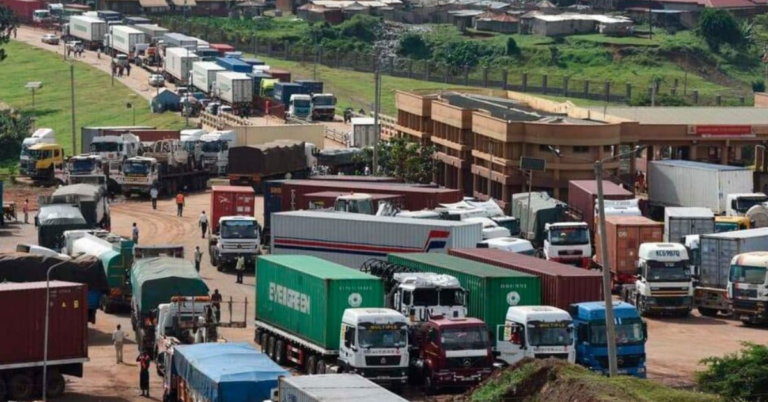
For decades, many African economies depended heavily on large Gulf-based refineries. However, the conflict involving Iran has tightened supply routes and triggered fears of prolonged shortages. As a result, governments across the continent are urgently seeking alternatives closer to home.
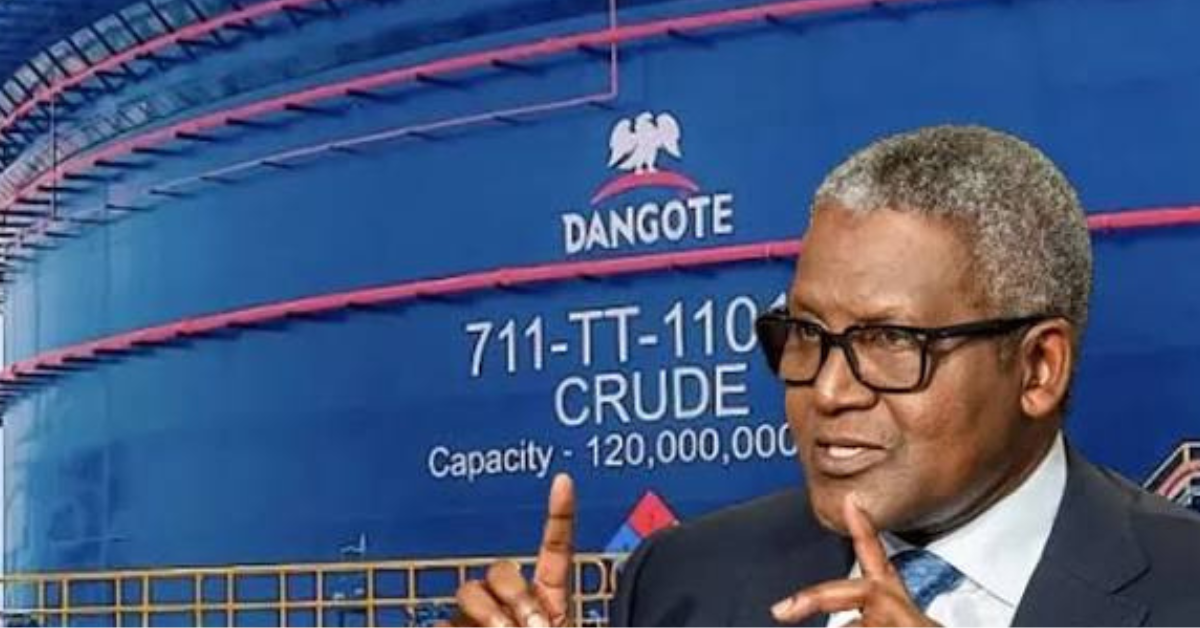
The Dangote refinery, located outside Lagos, stands at the center of this shift. The facility has a capacity of 650,000 barrels per day, making it the largest single-train refinery in Africa. Aliko Dangote previously described the project as a “monster,” highlighting the scale and complexity of its construction.
Although the refinery faced years of delays and cost overruns, it finally began operations in 2024 after an estimated $20 billion investment. Since then, production has steadily increased, positioning Nigeria as a potential net exporter of refined petroleum products.
This development marks a major turning point for Nigeria’s oil sector. Previously, the country exported crude oil and then re-imported refined fuel at higher prices. Now, domestic refining is reducing that dependence while opening new export opportunities across Africa.
Demand within Nigeria already consumes a significant portion of the refinery’s output. Reports indicate that about three-quarters of production is absorbed locally, while the remaining volume is available for export to other African markets.
At the same time, interest from across the continent continues to grow. Sources confirm that Ghana, South Africa, and Kenya have all signaled readiness to become long-term customers. This trend reflects a broader push toward regional energy security and reduced reliance on distant suppliers.
However, challenges remain. The refinery alone cannot fully close Africa’s fuel supply gap. In addition, many countries lack adequate strategic reserves to cushion the impact of extended disruptions.
Consequently, governments and companies are taking precautionary measures. Ethiopia has urged citizens to reduce fuel consumption and prioritize public transportation. Meanwhile, South African mining giant Exxaro is strengthening plans to maintain energy supply for its operations.
As the global energy landscape shifts, the Dangote refinery is emerging as a critical player in Africa’s fuel market. Its growing role highlights both the continent’s vulnerability to external shocks and its increasing capacity to build local solutions.