A landmark fisheries initiative funded by the African Development Bank Group is reshaping economies and strengthening food security across Southern Africa, with nearly three million people benefiting from better governance, new jobs, and a thriving cross-border fish trade.
The Program for Improving Fisheries Governance and Blue Economy Trade Corridors (PROFISHBLUE)has boosted cross-border fish trade to more than 500,000 tonnes over the past four years, driving regional integration and supporting communities across 16 SADC member states. The $9.2 million initiative is a flagship effort under the Bank’s ADF-15 window, placing Southern Africa at the forefront of sustainable blue economy development.
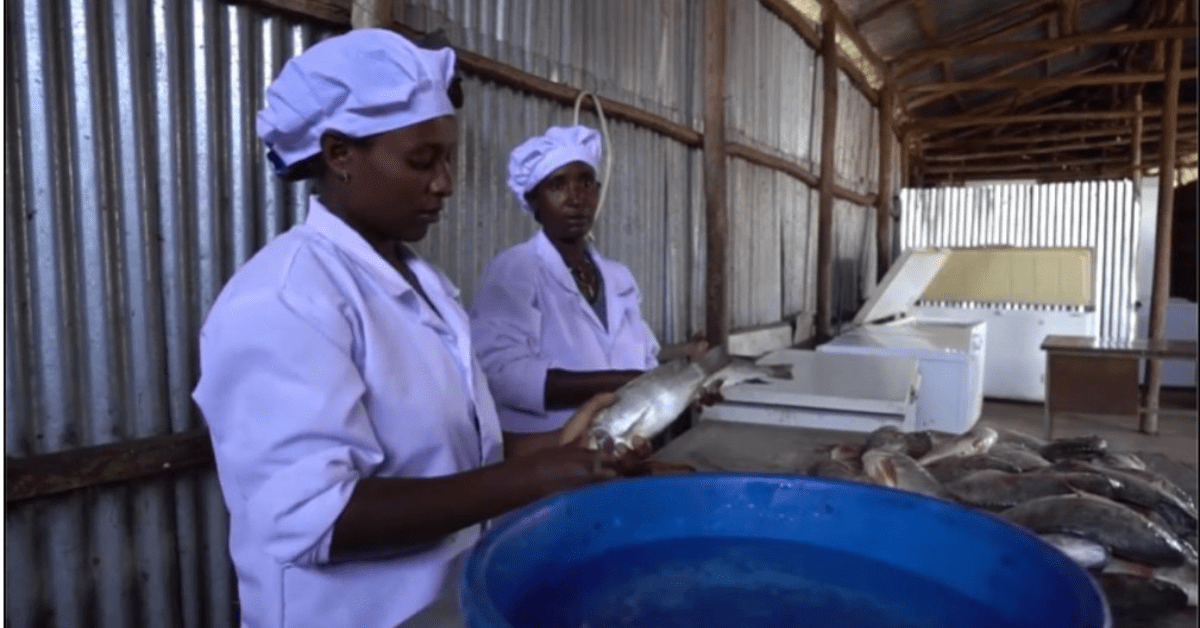
At least 250,000 people across seven African Development Fund countries, the Democratic Republic of Congo, Madagascar, Malawi, Mozambique, Tanzania, Zambia, and Zimbabwe — have received training and capacity-building support. Beneficiaries were equipped through programs focused on fish value chain management, SME development, post-harvest utilisation, quality assurance, genetic improvement of tilapia species, policy harmonisation, nutrition, and blue-economy investment planning. Refrigerated vehicles, fish inspection equipment, vessel monitoring systems, and stock assessment tools strengthened the region’s capacity to curb illegal fishing and improve long-term governance.
These milestones were celebrated during World Fisheries Day on 21 November in Gaborone, where SADC, the African Development Bank Group, and key development partners highlighted the programme’s achievements since its launch in 2022.
Speaking on behalf of SADC Deputy Secretary for Regional Integration Angele Makombo Ntumba, Director Domingos Gove praised the Bank’s commitment, noting that the initiative is enhancing aquatic food systems that support more than 380 million people across the region.
Neeraj Vij, Regional Sector Manager for Feed Africa Operations at the African Development Bank, emphasised the importance of strengthening blue-economy trade corridors. “This project shows how strategic investment in fisheries governance can build competitive value chains that create jobs and reduce poverty, especially in rural communities,” he said. Vij reaffirmed the Bank’s commitment to scaling blue-economy initiatives across Southern Africa.
The programme’s impact is being felt on the ground. Women in fisheries shared testimonies of how PROFISHBLUE has improved their incomes, expanded opportunities, and strengthened their resilience. “We embarked on an investment journey that many smallholder entrepreneurs would avoid piloting technology in seaweed farming. We appreciate the opportunity,” said Hifadhi Hai from Tanzania. In Malawi, fish processor Tamala Mtambo of the Twiyule Fish Cooperative added: “ProFishBlue supported us to turn fish processing into progress.”
With implementing partners including FAO, UNIDO, WWF, WorldFish, and ARSO, the initiative continues to foster innovation, strengthen regional learning, and support sustainable management of aquatic ecosystems.
As Southern Africa accelerates toward a more resilient and inclusive blue economy, PROFISHBLUE stands out as a transformative model showing how strategic investment, partnerships, and community-driven action can reshape the future of food security and economic growth across the continent.