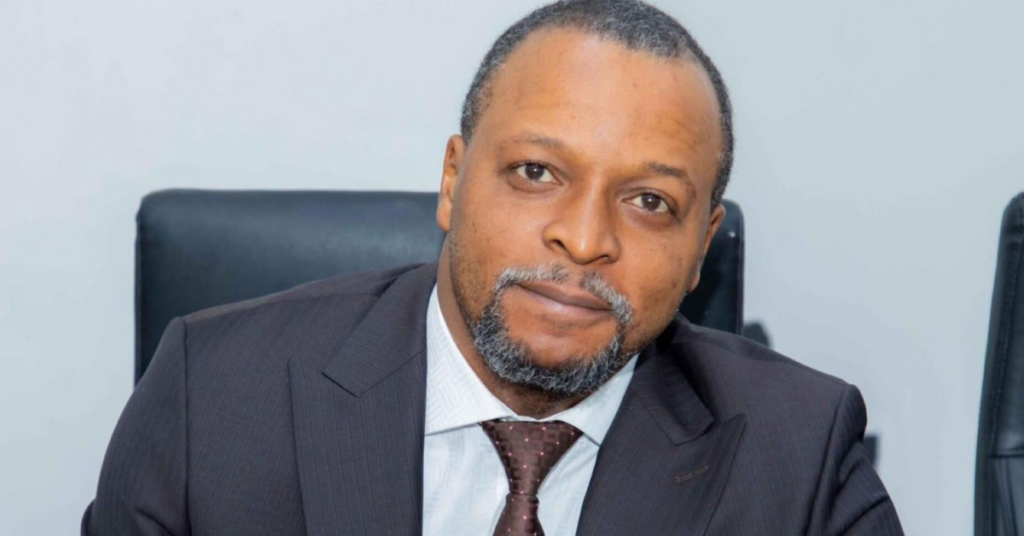

Ivorian Prime Minister Robert Mambé and African Development Bank (AfDB) President Dr. Sidi Ould Tah have urged Africa’s private sector to take a central role in the continent’s economic transformation, highlighting global trade disruptions as an opportunity to build resilience.
The leaders delivered their remarks at the opening of the 13th CGECI Academy, Côte d’Ivoire’s flagship private sector forum, held under the theme “Economic sovereignty: Time for Action.” The two-day event convened senior officials, business leaders, and regional employer organisations in Abidjan.
Prime Minister Robert Mambé urged African nations to move from self-assessment to concrete results.
“The time for self-analysis is over; it’s now time for action!” he said. “We must become aware of our strengths, weaknesses and untapped potential, and most importantly, we must consolidate our achievements for new prospects based on intelligent and dynamic partnerships.”
He emphasised that true economic sovereignty requires joint efforts between governments, private investors, entrepreneurs, and consumers.
Dr. Sidi Ould Tah echoed this urgency, underlining that Africa must view current global trade tensions as a “historic opportunity” to strengthen regional value chains, boost intra-African commerce, and process more raw materials locally.
“For Africa, this is not a threat; it is a historic opportunity to establish a stronger, more integrated and resilient local economy,” he told delegates”
Since assuming office on September 1, Dr. Ould Tah has laid out a four-pillar strategy for Africa’s development:
1. Mobilising large-scale capital
2. Reforming Africa’s financial architecture
3. Accelerating the creation of quality jobs
4. Building climate-resilient infrastructure with green industrialisation
He stressed that structural economic transformation “cannot be achieved by governments alone” and that the private sector must be central to Africa’s strategy.
Ahmed Cissé, president of the CGECI, pledged that Côte d’Ivoire’s private sector representing nearly 80% of the country’s companies will back continental efforts to restore economic and financial sovereignty.
The federation has partnered with the African Development Bank for years to promote youth entrepreneurship through initiatives such as La finance s’engage (Finance Commits), which has mobilised resources for hundreds of start-ups since 2016. Notably, a €1.108 million project has already supported 200 young entrepreneurs, nearly one-third of them women.
The CGECI Academy comes amid rising protectionism and geopolitical tensions that are reshaping global trade. African leaders view this moment as critical for strengthening intra-African commerce, reducing dependency on external markets, and advancing integration under the African Continental Free Trade Area (AfCFTA).