The idea of reconnecting with Africa has captured the imagination of many Black Americans in recent years. Social media often showcases colorful markets, coastal homes, and cultural gatherings celebrating the diaspora’s return. High-profile figures like singer and entrepreneur Kelis have further fueled that curiosity by documenting new ventures on the continent.
Yet building a life and business in Africa involves far more than relocation. Entrepreneurs must adapt to new systems, develop trust in unfamiliar markets, and rethink assumptions shaped in the United States. While the dream of “returning” resonates emotionally, the reality of entrepreneurship requires persistence, learning, and strong local relationships.
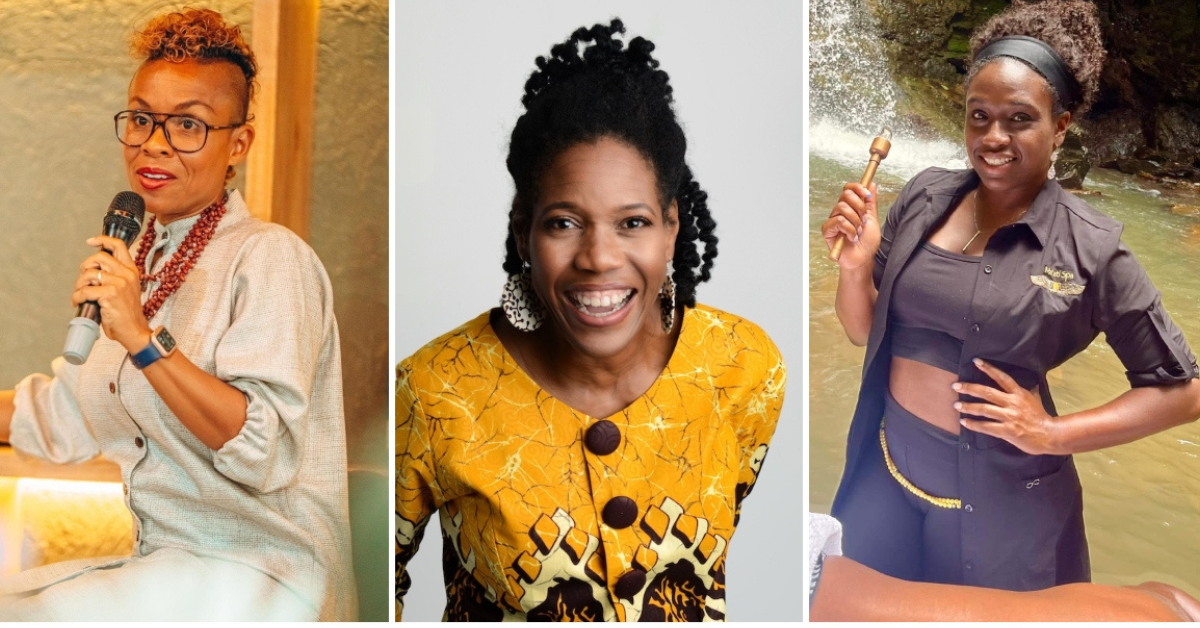
Across Africa, a growing group of Black American women is embracing that challenge. From a communications strategist in Rwanda to a spa founder in Ghana and an investor expanding real estate projects across the continent, their businesses highlight both the promise and the complexity of diaspora entrepreneurship in Africa.
Autumn Marie did not plan to launch a company when she left New York City. She simply wanted a break from the demanding pace of the communications industry. After relocating to Mauritius with her husband, who had spent years working on the continent, the couple later moved to Kigali in Rwanda.
What began as a temporary pause quickly turned into an opportunity. Marie noticed a gap in the communications industry and decided to fill it. She founded KGL FWD, a Kigali-based public relations agency that focuses on storytelling, strategic communications, and brand development for companies operating in Rwanda and across East Africa.
Starting the business proved easier than she expected. Rwanda’s business registration process, she says, remains straightforward and entrepreneur-friendly. However, paperwork was not the real hurdle. Instead, earning trust within a new market became the greatest challenge.
Building that trust allowed her firm to collaborate with major organizations including RwandAir, ONOMO Hotels, and the cultural organization Nomadness Travel Tribe. Her agency has also supported professional development within the industry by helping establish the Rwanda Communications Network.
Marie believes diaspora entrepreneurs must approach African markets with humility. She encourages founders to bring their skills but remain open to learning local business culture. According to her, success comes from collaboration rather than attempting to replicate American business models.
For entrepreneur Maya Gilliam, the journey toward building a business in Africa started long before her move. She had already spent more than a decade operating a successful spa in North Carolina before discovering new opportunities in Ghana.
During visits to Accra, she noticed the country’s rapid growth and expanding wellness industry. When the COVID-19 pandemic disrupted her American business, Gilliam decided to make a bold shift. She sold her U.S. properties, relocated, and launched Ma’ati Spa in the upscale East Legon district of Ghana.
The lush spa now attracts both local clients and international visitors. Online images often portray an idyllic lifestyle, yet Gilliam explains that entrepreneurship in Ghana requires persistence and resilience. Behind the scenes, she faced constant negotiation challenges, especially as an American navigating local markets.
She quickly discovered that vendors sometimes charged higher prices when they heard her accent. As a result, she relied heavily on trusted local partners to help negotiate fair deals. Eventually, she became a naturalized Ghanaian citizen, allowing her to fully own her business without needing a local partner.
Gilliam also manages the spa’s digital presence herself. Her background in television production and design helps shape the brand’s storytelling across social media platforms. One of the spa’s most distinctive offerings is a signature treatment she calls the “waterfall massage.” The concept blends relaxation techniques with natural elements from the surrounding landscape.
Beyond the treatments, Gilliam says the most rewarding part of her business comes from creating a space where clients can relax and reconnect. The spa incorporates herbs, fruits, and teas grown directly on the property, providing an experience rooted in the environment and culture of Ghana.
Entrepreneurship on the continent takes another form for investor Wandi Steward. At 62, she divides her time between impact initiatives and real estate projects across Africa. One of her most meaningful efforts is the Afrikan Baby Book Project in Rwanda, an initiative that aims to expand access to culturally relevant children’s literature.
Although the project generates little revenue, Steward believes its cultural impact matters deeply. Alongside that work, she has steadily built a property portfolio that includes land in Rwanda and an income-generating apartment in Cape Town, one of the most dynamic cities in South Africa.
Her experience revealed that African property markets often operate differently from the highly structured systems familiar to many American investors. In Rwanda, for example, several brokers may represent the same property, and negotiation plays a central role in closing deals.
Despite these challenges, Steward believes the continent offers enormous potential for diaspora entrepreneurs who approach it with patience and flexibility. She encourages newcomers to research local markets thoroughly and bring more financial resources than they initially expect.
Across Ghana, Rwanda, and other African economies, these women represent a growing wave of diaspora founders shaping new industries. Their experiences reveal both the opportunity and the complexity of building businesses on the continent.
For many entrepreneurs in the African diaspora, the journey back to Africa does not simply fulfill a personal dream. It also opens doors to innovation, cross-cultural collaboration, and long-term economic growth. With determination, adaptability, and strong community ties, Black American women are helping redefine what diaspora entrepreneurship in Africa can achieve.