Burkina Faso has strengthened its position as one of Africa’s emerging gold powerhouses after securing $33.2 million from the International Monetary Fund (IMF). The fresh disbursement follows the successful completion of the fourth review of the country’s Extended Credit Facility (ECF) programme.
Moreover, the Washington-based lender approved a new $124.3 million Resilience and Sustainability Facility (RSF), which will run through September 2027. The package reinforces investor confidence in the fragile Sahel economy despite ongoing security and humanitarian pressures.
Gold Prices and Mining Reforms Fuel Economic Shift
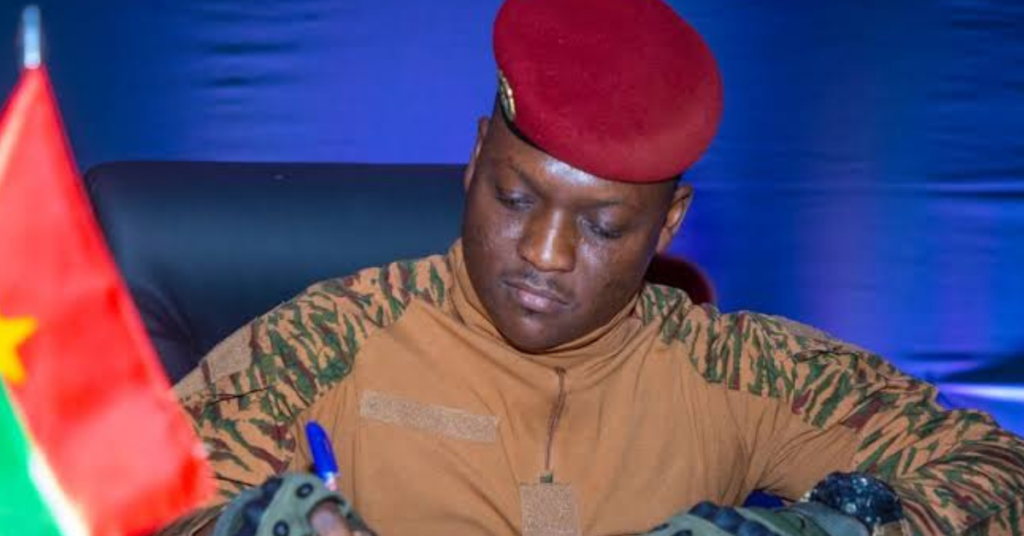
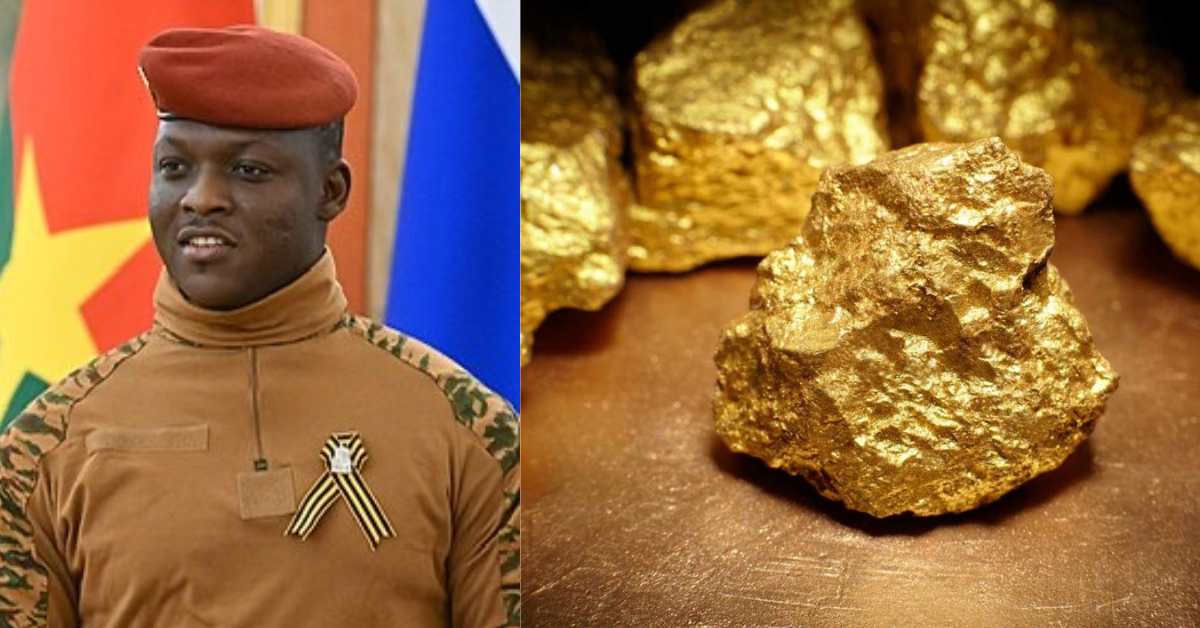
Rising global gold prices have reshaped Burkina Faso’s economic outlook. At the same time, mining sector reforms introduced under the leadership of Ibrahim Traoré have boosted output and improved governance oversight.
As a result, the country’s current account has shifted from deficit to surplus. The IMF projects a surplus of 1.1 percent of GDP in 2025 and 0.8 percent in 2026, marking a dramatic turnaround for the West African nation.
Kenji Okamura, Deputy Managing Director of the IMF, noted that Burkina Faso’s economy has shown resilience despite persistent instability. He added that stronger domestic revenue mobilisation and improved fiscal management have helped contain inflation while keeping public debt sustainable.
Climate Funding to Support Agriculture and Stability
In addition, the newly approved RSF aims to strengthen climate adaptation in one of the world’s most vulnerable regions. Nearly 80 percent of Burkina Faso’s population depends on subsistence farming. Therefore, climate shocks directly threaten food security and rural livelihoods.
The climate facility will support agricultural adaptation projects, enhance disaster-risk financing, and reduce reliance on emergency food imports. Consequently, the government expects more stable rural incomes and improved long-term resilience.
Governance Reforms Remain Critical
Although economic indicators are improving, governance reforms remain central to sustained growth. Authorities have completed six of eleven priority recommendations under the IMF’s Governance Diagnostic Assessment.
For instance, officials have tightened procedures surrounding mining licence allocations to improve transparency. However, further reforms are required to strengthen institutional credibility and attract long-term foreign direct investment.
Growth Outlook Hinges on Security Improvements
Looking ahead, the IMF projects economic growth of around 5 percent in 2026. Nevertheless, this forecast depends heavily on improvements in the domestic security situation.
Ouagadougou has pledged continued fiscal consolidation. The government targets a deficit ceiling of 3.5 percent of GDP while protecting spending on health, education, and social services. Investors and development partners will closely monitor this balancing act.
As gold production expands and reforms take root, Burkina Faso is positioning itself as a strategic mining hub in Africa. If security stabilises and governance deepens, the country could sustain its upward trajectory and redefine its economic future in the Sahel.