South Africa’s passenger rail system is showing early signs of recovery as the Passenger Rail Agency of South Africa increases monthly trips to around 10 million. This marks a strong rebound from near-zero operational levels five years ago. However, the system still remains far below its historic performance, which once exceeded tens of millions of monthly journeys.
The recovery comes after a decade of severe decline. PRASA previously moved more than 45 million passengers per month, but years of mismanagement, theft, and infrastructure decay drove the system into collapse. As a result, millions of commuters shifted to taxis, buses, and private cars, which sharply increased transport costs across South Africa.
Investment strategist Izak Odendaal said the rail decline placed heavy pressure on households. He explained that commuters in active rail corridors now save between 60% and 70% when they use trains instead of road-based transport. He also noted that the absence of a strong rail system exposed households to oil price shocks, since road transport depends heavily on fuel costs.
The collapse also affected the broader economy. Transport expenses rose, and disposable income fell for low-income workers. Odendaal warned that this burden reduced economic activity and increased inequality. He added that the impact often remains overlooked in mainstream economic analysis.
PRASA’s financial position also weakened during the decline. Fare revenue dropped sharply from R228 million in 2010 to just R2.8 million in later years. At the same time, government spending priorities shifted, with large bailouts directed to other state-owned companies. This imbalance left commuter rail infrastructure underfunded and exposed.
The physical network also deteriorated significantly. The South African Institute of Civil Engineering downgraded PRASA infrastructure from a C- rating in 2011 to an E rating by 2022. The report highlighted widespread theft, vandalism, outdated systems, and operational failures. It also confirmed that many passenger lines became non-operational or nearly abandoned.
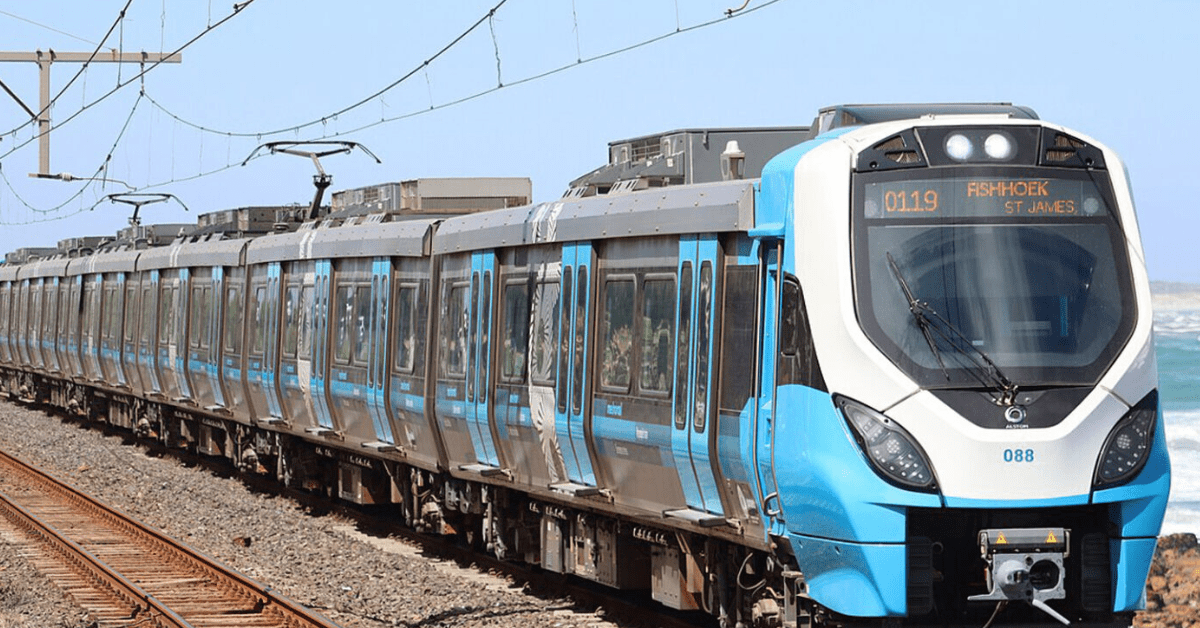
Despite these setbacks, recovery efforts have begun. PRASA has started refurbishing stations and introducing new trainsets on selected routes. Authorities have also increased focus on restoring service reliability. As train frequency improves, vandalism has reduced in some active corridors, since continuous operations discourage infrastructure theft.
Even so, experts warn that full recovery will take years. Some routes require complete reconstruction, while others need major upgrades to signaling systems, tracks, and safety infrastructure. The scale of damage means progress will depend on sustained investment and consistent execution.
The potential economic benefits remain significant. A stronger rail network could reduce household transport spending, ease urban congestion, and improve productivity. It could also support more dense urban development along rail corridors, which may reduce spatial inequality in major cities.
However, the cost of rebuilding remains high. Authorities must invest billions of rand into infrastructure repair, new rolling stock, and station rehabilitation. If progress continues, PRASA could gradually restore its role as a backbone of affordable public transport in South Africa, but the turnaround remains a long-term process rather than a quick recovery.
s