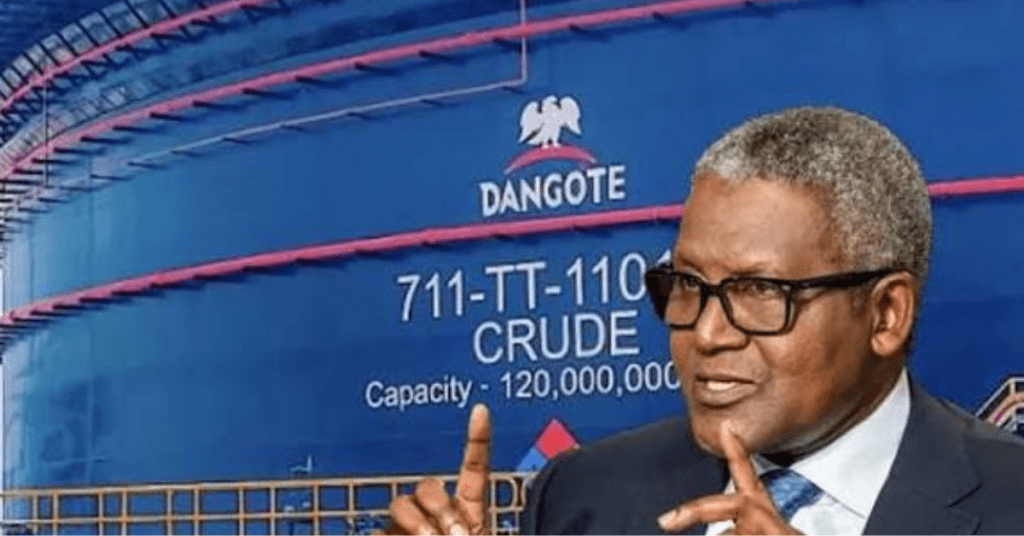
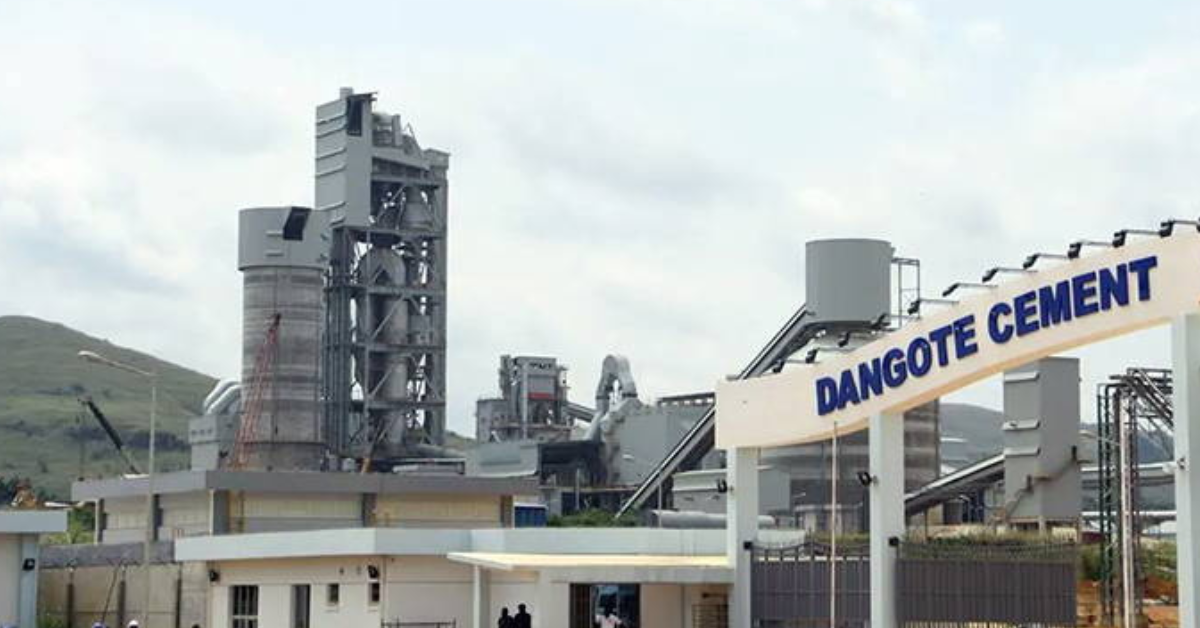
The government of Senegal has strengthened its presence in the country’s industrial landscape after acquiring a 10 percent stake in Dangote Cement’s local subsidiary, a strategic move that makes the state a minority shareholder in one of the country’s most important manufacturing assets.
The transaction, disclosed in Dangote Cement’s 2025 annual report, reduces the group’s ownership in its Senegalese unit from 99.99 percent to 89.99 percent. As a result, the West African nation now holds a direct equity position in the company that operates one of the region’s major cement production facilities.
This development arrives at a challenging period for the subsidiary. Dangote Cement Senegal recorded a significant revenue drop in 2025 as earnings declined from NGN192.2 billion (US$138.6 million) in 2024 to NGN151 billion. The decline represents a contraction of about 21.4 percent year-on-year.
Lower sales volumes largely drove the downturn. The company sold about 1.2 million tonnes of cement during the year, reflecting a 19.8 percent decrease compared with the previous period. Analysts attribute the slowdown to softer demand in the construction sector and operational pressures affecting production and distribution.
Despite the financial pressure, Dangote Cement Senegal remains a major player in the country’s construction ecosystem. Since its establishment in 2015, the company has contributed significantly to employment creation by generating thousands of direct and indirect jobs for Senegalese workers.
The Dakar-based plant currently operates with a production capacity of 1.5 million tonnes annually. It supplies cement to domestic infrastructure projects while also exporting to neighboring West African markets.
Industry observers say the government’s entry as a minority shareholder reflects a broader strategy to increase public participation in strategic sectors of the economy. Cement production plays a critical role in Senegal’s rapid urbanisation and the expansion of national infrastructure projects.
By acquiring an equity stake, the government gains both financial and strategic advantages. The move provides access to dividend income while giving policymakers a voice in discussions related to production levels and pricing structures within the domestic cement market.
Meanwhile, Dangote Cement continues to reinforce its institutional presence across West Africa. Maintaining a majority stake ensures the group retains operational control while strengthening relationships with host governments and local stakeholders.
Across Africa, similar arrangements are becoming more common. Governments increasingly take minority stakes in key industrial companies to ensure oversight without weakening private-sector efficiency. Such partnerships often support national development goals while sustaining investor confidence.
In Senegal’s case, the agreement underscores the importance of cement as a cornerstone of economic expansion. Housing demand, infrastructure development and urban growth continue to drive consumption across the country.
Consequently, the government’s investment signals a long-term commitment to shaping one of Senegal’s most critical industrial sectors while supporting broader economic development objectives.