Europe is accelerating a strategic shift toward Africa as relations with the NATO and the United States grow increasingly strained, while instability in the Middle East continues to disrupt critical energy routes.
Tensions between Europe and Washington have intensified after Donald Trump openly questioned NATO’s relevance and pushed allies to shoulder more defense responsibilities. He also signaled that the United States could withdraw from the alliance, a move that has raised fresh concerns across European capitals. As a result, policymakers are reassessing long-standing security frameworks and exploring alternative alliances.
In contrast, Keir Starmer reaffirmed Britain’s commitment to NATO, describing it as the most effective military alliance in modern history. However, his refusal to involve the UK directly in the escalating Israel–Iran conflict highlights Europe’s cautious stance in the region.
Meanwhile, the crisis surrounding Iran and disruptions in the Strait of Hormuz have exposed Europe’s heavy dependence on Middle Eastern energy supplies. This vital corridor has historically handled a significant share of global oil shipments, including nearly 40 percent of Europe’s jet fuel imports. As tensions rise, energy prices have surged sharply, forcing Europe to seek alternatives.
Consequently, Africa is emerging as a critical partner in Europe’s energy diversification strategy. Countries such as Angola and Nigeria are increasing oil exports to Europe and Asia, with combined shipments projected to rise significantly. This shift reflects a broader realignment of global energy flows as traditional supply chains come under pressure.
At the same time, refined fuel exports from the Dangote Petroleum Refinery are gaining traction in European markets. Several shipments have already reached key ports, including Amsterdam and Rotterdam, signaling growing demand for African energy products amid tightening supply conditions.
Italy has also strengthened its energy cooperation with Algeria, securing a substantial portion of its gas supply from North Africa. Similarly, Nigeria now accounts for more than half of Portugal’s liquefied natural gas imports. These developments underline Africa’s rising importance in Europe’s energy security calculations.
Beyond energy, Europe is redefining its engagement with Africa by shifting from traditional aid models to strategic partnerships. The European Union has expanded investments across sectors such as digital infrastructure, agriculture, and security. A recent €288 million package announced during high-level visits to West Africa reflects this new direction.
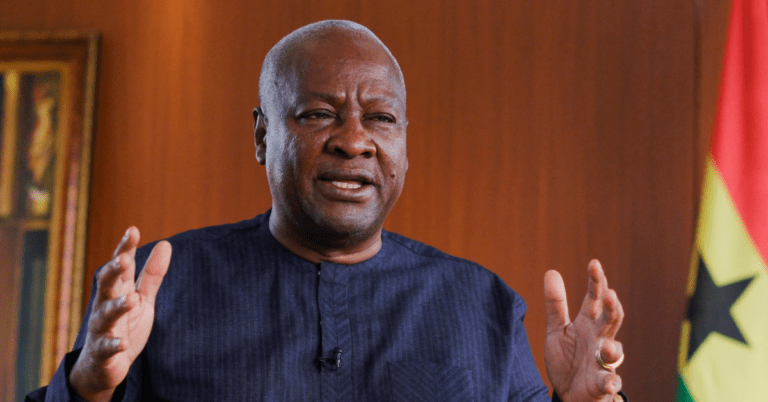
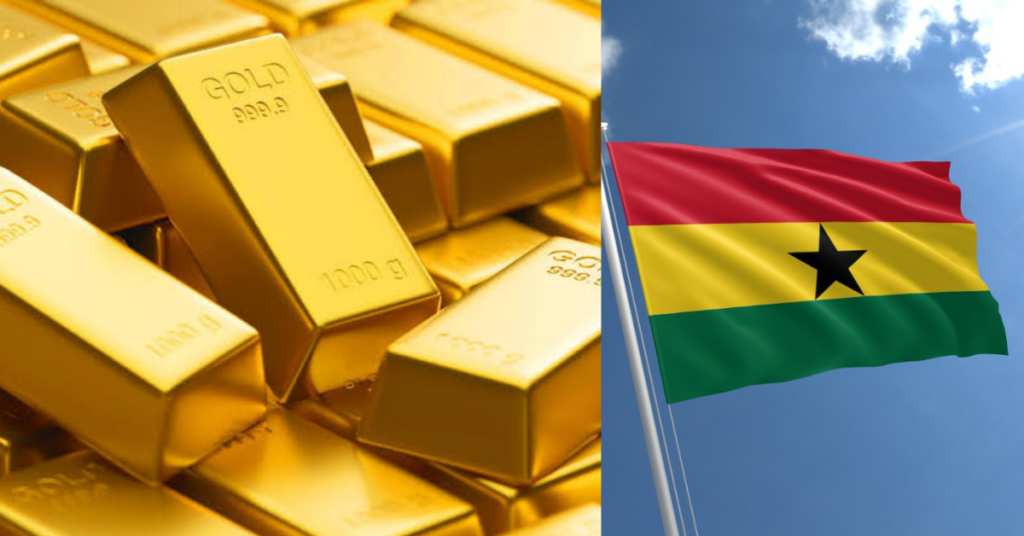
Furthermore, new defense agreements, including a landmark partnership with Ghana, signal deeper cooperation in security matters. European leaders increasingly recognize that stability and growth in Africa directly influence Europe’s own economic and geopolitical future.
This evolving relationship marks a significant turning point. Europe is no longer viewing Africa solely as an aid recipient. Instead, it is positioning the continent as a vital partner in energy, security, and global influence.
As geopolitical tensions reshape global alliances, Africa’s role continues to expand. Europe’s pivot is not just strategic—it is becoming essential.