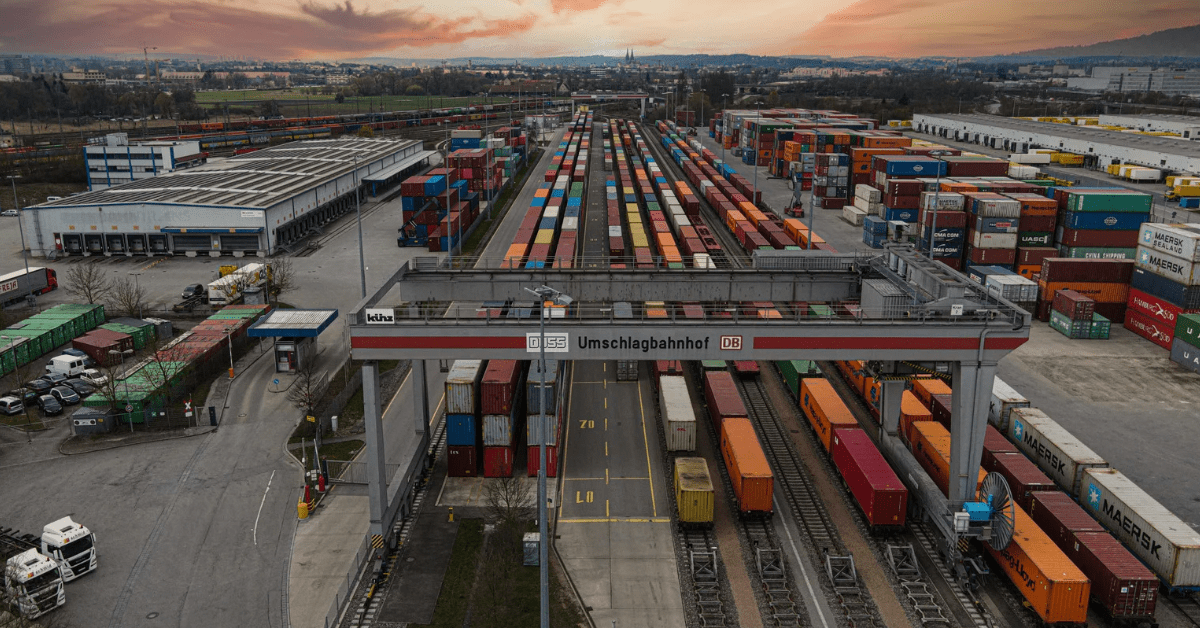
The European Union (EU) is stepping up investments in Africa’s infrastructure through its Global Gateway initiative, with new plans to strengthen transport and trade corridors across more than 30 countries. A study by the EU’s Joint Research Centre (JRC) has highlighted how targeted support could improve mobility, reduce trade bottlenecks, and drive sustainable development across the continent.
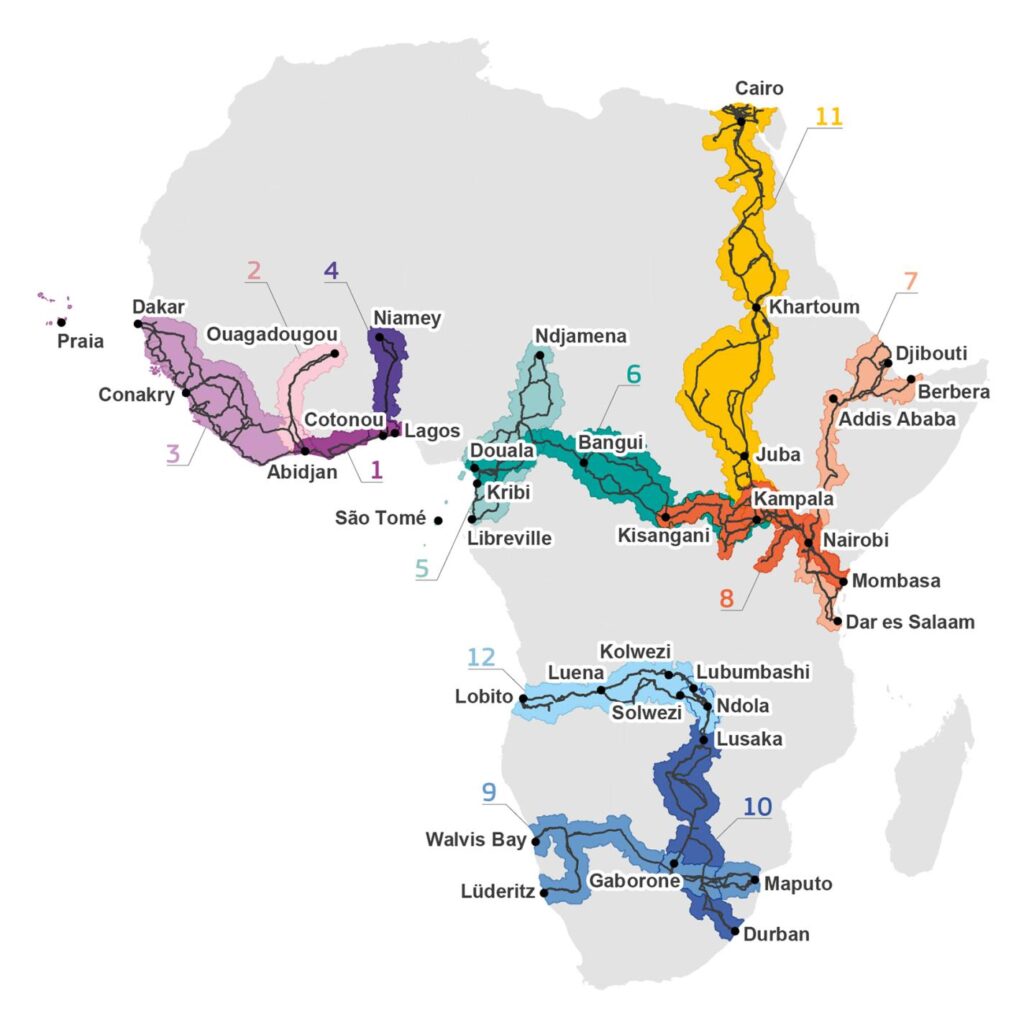
The assessment examined 11 strategic corridors announced during the 2022 EU–AU Summit in Brussels. These include the Abidjan–Lagos route connecting Côte d’Ivoire, Ghana, Togo, Benin, and Nigeria; the Dar es Salaam–Nairobi–Addis Ababa–Berbera–Djibouti corridor spanning East Africa; the Durban–Lusaka–Lubumbashi route linking Southern Africa; and the Lobito–Kolwezi–Lubumbashi–Solwezi–Ndola corridor connecting Angola, the Democratic Republic of the Congo, and Zambia. Other routes stretch across Central, West, and Southern Africa, with the Cairo–Khartoum–Juba–Kampala line scheduled for later review.
The study found that transport and accessibility improvements would have the greatest impact, reducing congestion, cutting travel times, and expanding access to essential services such as healthcare, education, and clean water. It also revealed significant opportunities for interventions to lower carbon emissions and protect biodiversity. West Africa was identified as a particularly high-potential cluster, where under-connected but productive areas could benefit from improved links to regional and global markets.
Digitalisation was highlighted as the most challenging area, requiring a tailored approach combining fibre-optic networks in densely populated zones with mobile antenna systems in rural and protected areas. The JRC noted that a mix of both technologies would be needed to ensure reliable connectivity across diverse regions.
The European Commission has identified clean trade and investment partnerships as a priority, with an emphasis on securing critical minerals, renewable energy, and resilient supply chains. The corridors are expected to support both rural and urban development by improving logistics, transport services, and industrial productivity.
The findings will guide EU delegations, the European Investment Bank, member states, and international partners in prioritising projects with the highest socio-economic and environmental impact, reinforcing Africa–EU cooperation through the Global Gateway.
Credit: EU ScienceHub
Joint Research Centre